Today, April 1, 2026, Apple turns 50. What began in a garage in Los Altos in 1976 is now one of the most influential companies in human history – with a market capitalization of nearly four trillion US dollars, over two billion active devices worldwide, and a brand identity that has long since become a cultural icon. This article traces Apple's story – from its beginnings as the radical idea of two young inventors, through the most dramatic near-bankruptcy in tech history, to the unprecedented success story under Steve Jobs and Tim Cook. It is the story of a company that repeatedly risked everything – and in doing so, transformed industries, habits, and entire societies.
Five decades. What Apple has experienced in that time reads like a screenplay that Hollywood would reject as too unbelievable. An April Fool's Day founding, the ousting of its own founder, a comeback seemingly out of nowhere, followed by the greatest value creation ever achieved by a single company. Apple didn't just build products—Apple created categories that didn't exist before. The personal computer, the digital music player, the smartphone, the tablet, the smartwatch, spatial computing: In each of these categories, Apple was either a pioneer or the player who made it accessible to the masses.
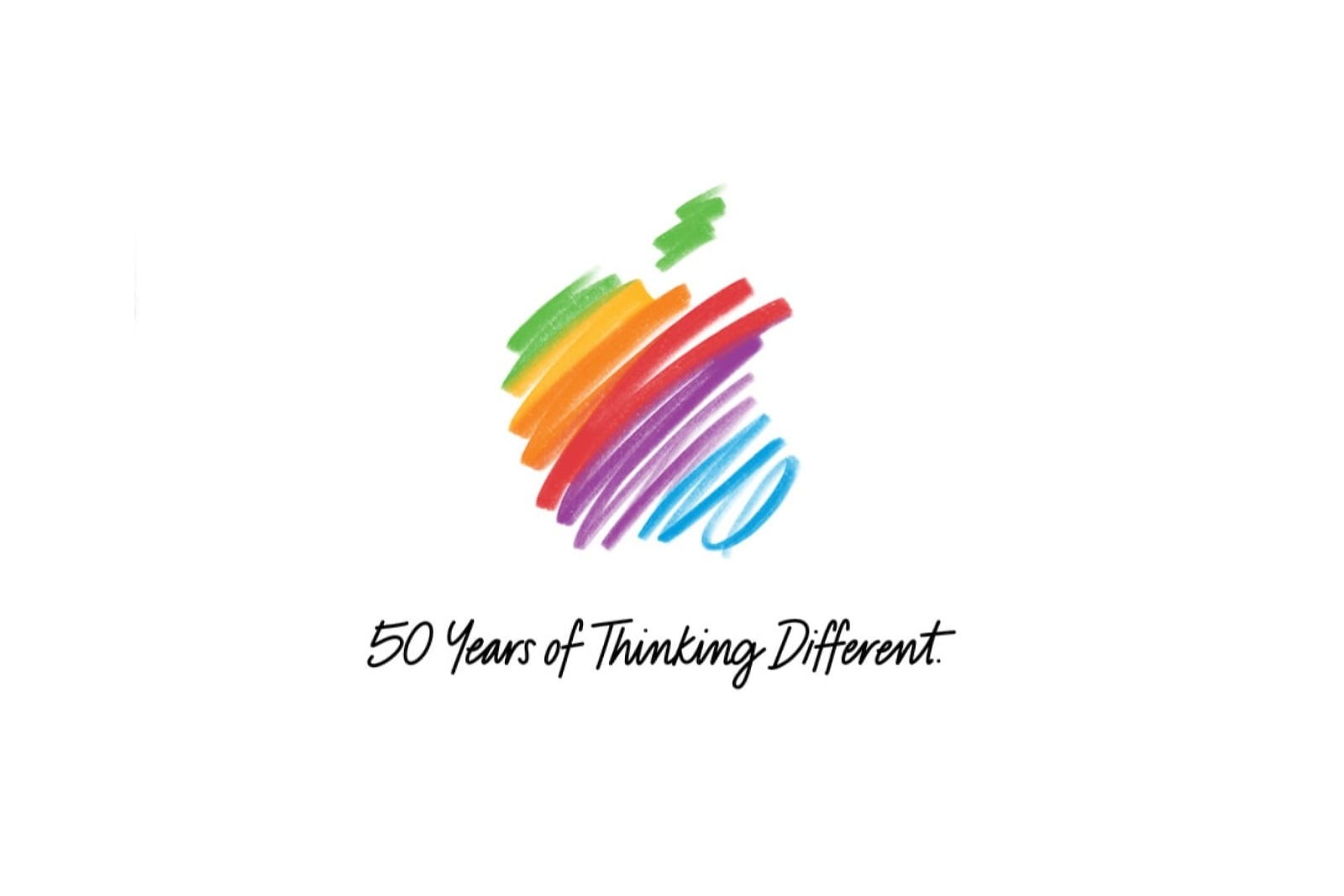
On March 12, Tim Cook published an open letter titled „50 Years of Thinking Different“ on apple.com. In it, he reflected on the journey from a small garage to a global tech giant and concluded with the iconic lines of the „Think Different“ campaign: „So here’s to the crazy ones. The misfits. The rebels. The troublemakers.“ At the same time, Apple launched the new Instagram account @helloapple, specifically targeting Generation Z and Generation Alpha. What followed was an unprecedented series of worldwide anniversary events—culminating in a grand finale at Apple Park on the eve of the birthday. Today is the day: Exactly 50 years to the day after its founding, this article takes the anniversary as an opportunity to review Apple’s entire history—from its humble beginnings to the tech giant it is today.
The Founding: A Garage, Two Steves and a Vision (1976–1977)
Apple's story begins on April 1, 1976 – exactly 50 years ago today – in the garage of Paul and Clara Jobs in Los Altos, California. Steve Jobs, then 21 years old, Steve Wozniak, 25, and the little-known Ronald Wayne founded the "Apple Computer Company" as a partnership that day. Wayne, who worked at Atari, received a ten percent stake. He sold it back just eleven days later for $800 – a loss that would be astronomical today.

The financing was improvised: Jobs sold his VW bus, Wozniak his HP calculator. The first creation was the Apple I, a bare motherboard without a case, keyboard, or screen. Paul Terrell, owner of the Byte Shop computer chain, was the first retailer to order 50 units. A total of around 200 units were sold, at a price of $666.66. Wozniak chose the price because he liked repeating digits—he claimed to have been unaware of the satanic connotation.
The name "Apple" wasn't based on any profound strategy. Jobs had just returned from Robert Friedland's farm in Oregon, where he had followed a fruit-based diet. The name sounded friendly and unintimidating—and ensured that Apple appeared before Atari in the phone book.
In January 1977, the partnership was transformed into Apple Computer, Inc. Mike Markkula, a former Intel executive and millionaire, invested $92,000 of his own money and secured a $250,000 line of credit from Bank of America. In return, he received a one-third stake. Markkula's investment was the turning point—it transformed a garage project into a real company with capital and structure.
The breakthrough: Apple II and the IPO (1977–1983)
In April 1977, Apple introduced the Apple II. Unlike the spartan Apple I, this was a fully-fledged computer with its own case, keyboard, and color graphics—a novelty in the home computer market. The Apple II became the company's first major commercial success. Sales exploded: Revenue rose from $7.8 million in 1978 to $117 million in 1980. Within just a few years, Apple was among the fastest-growing companies in the United States.
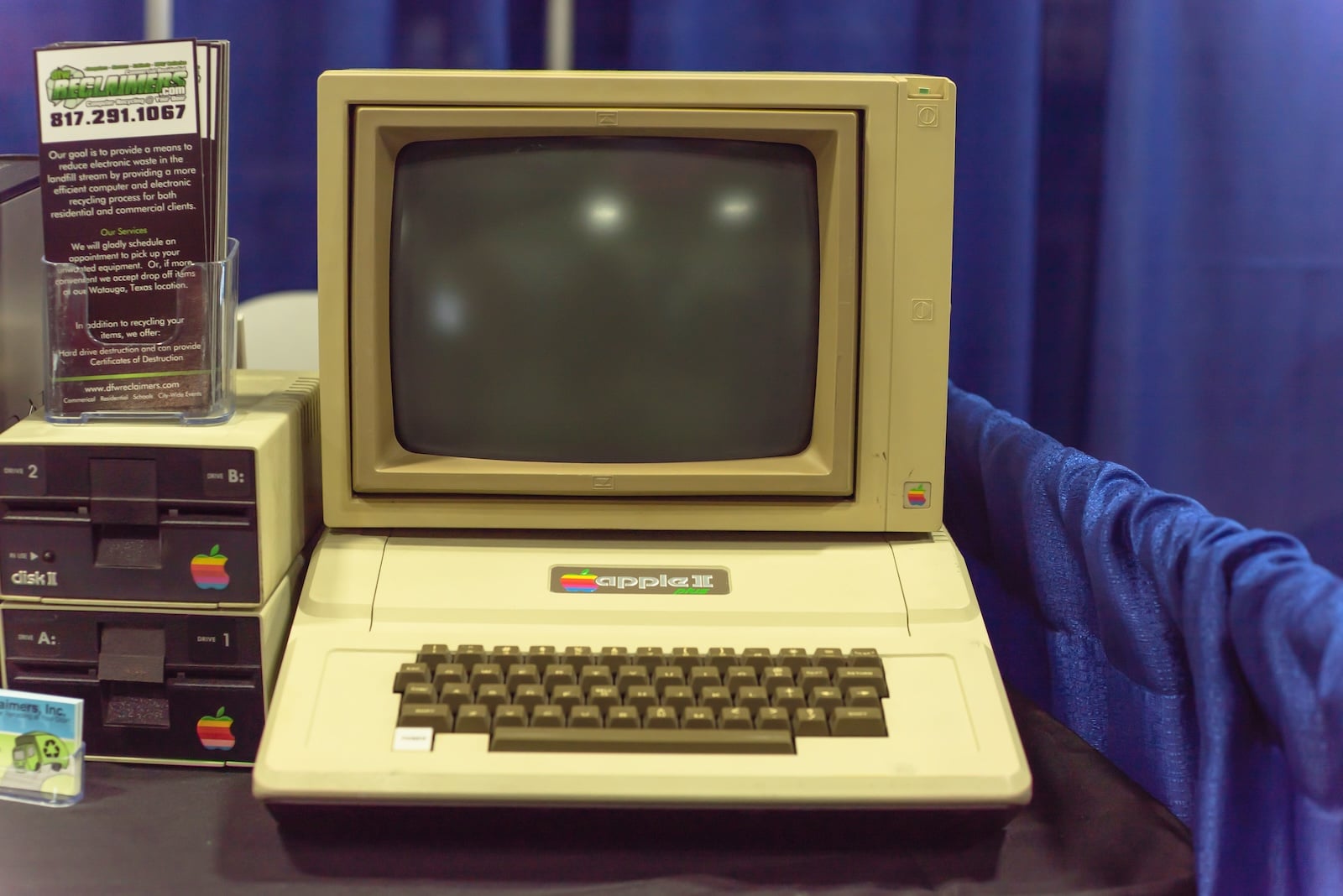
In 1978, Wozniak introduced a floppy disk drive controller, adding an affordable storage solution to the Apple II. Schools, homes, and businesses subsequently relied on the Apple II – a widespread adoption that essentially created the PC market.
On December 12, 1980, Apple went public. 4.6 million shares were offered at an issue price of $22 each. It was one of the largest IPOs since Ford in 1956. Overnight, Jobs and Wozniak became multimillionaires. Markkula, who had invested early, also became extremely wealthy.
At the same time, the company began to professionalize. In 1983, Jobs convinced John Sculley, the president of PepsiCo, to join Apple. The question he used to win Sculley over has become legendary: Did he want to spend the rest of his life selling sugary drinks – or seize the opportunity to change the world?.
Lisa, the Macintosh and the Break (1983–1985)
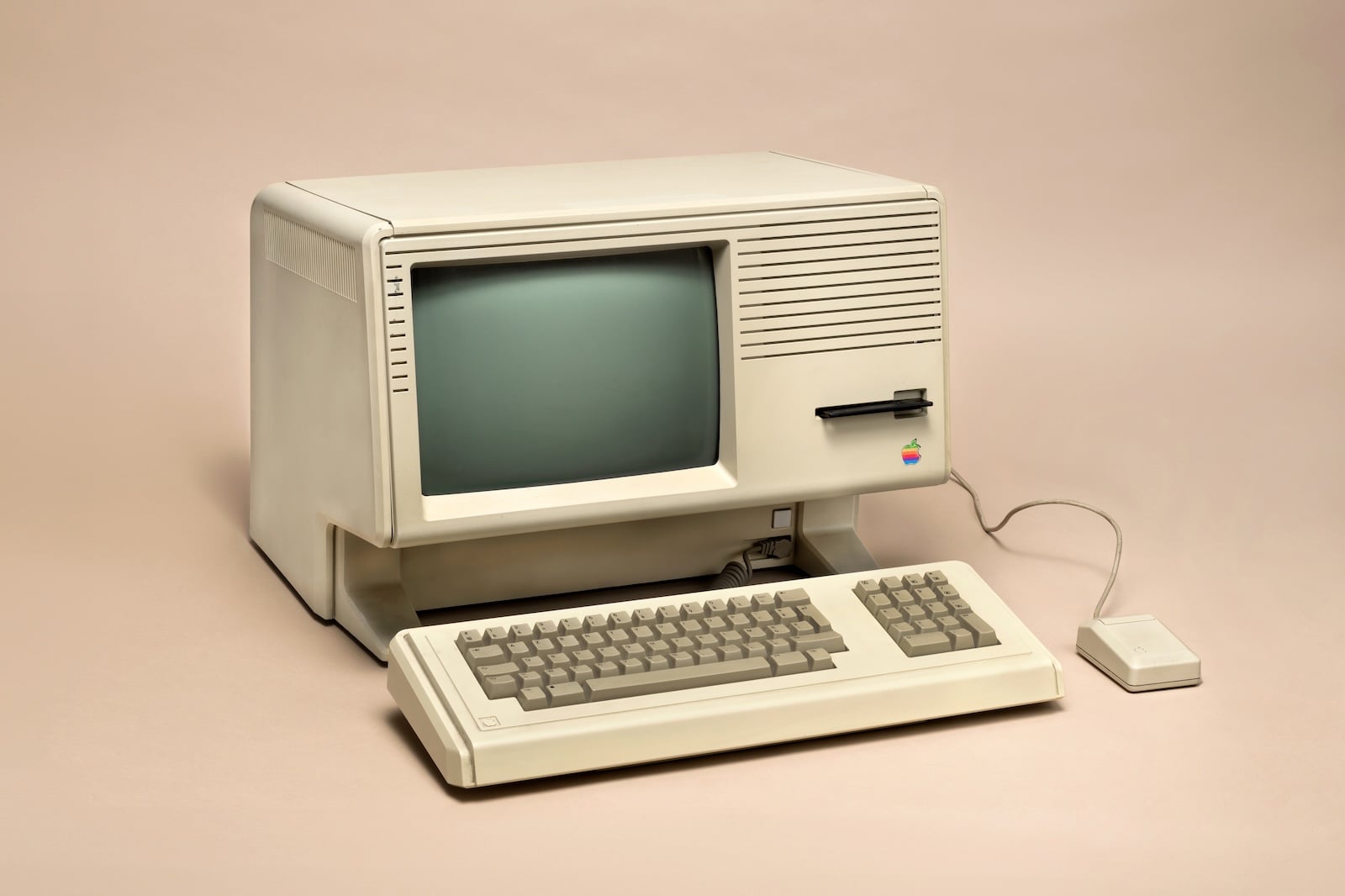
In 1979, Jobs and a team of Apple engineers visited the Xerox PARC research center. There they saw three technologies that would profoundly influence Apple: a graphical user interface (GUI), the computer mouse, and object-oriented programming. Apple integrated these concepts into two projects: the Apple Lisa and the Macintosh.
The Lisa was released in January 1983 for a hefty $9,995. Technologically, it was ahead of its time, but the high price made it a commercial failure.
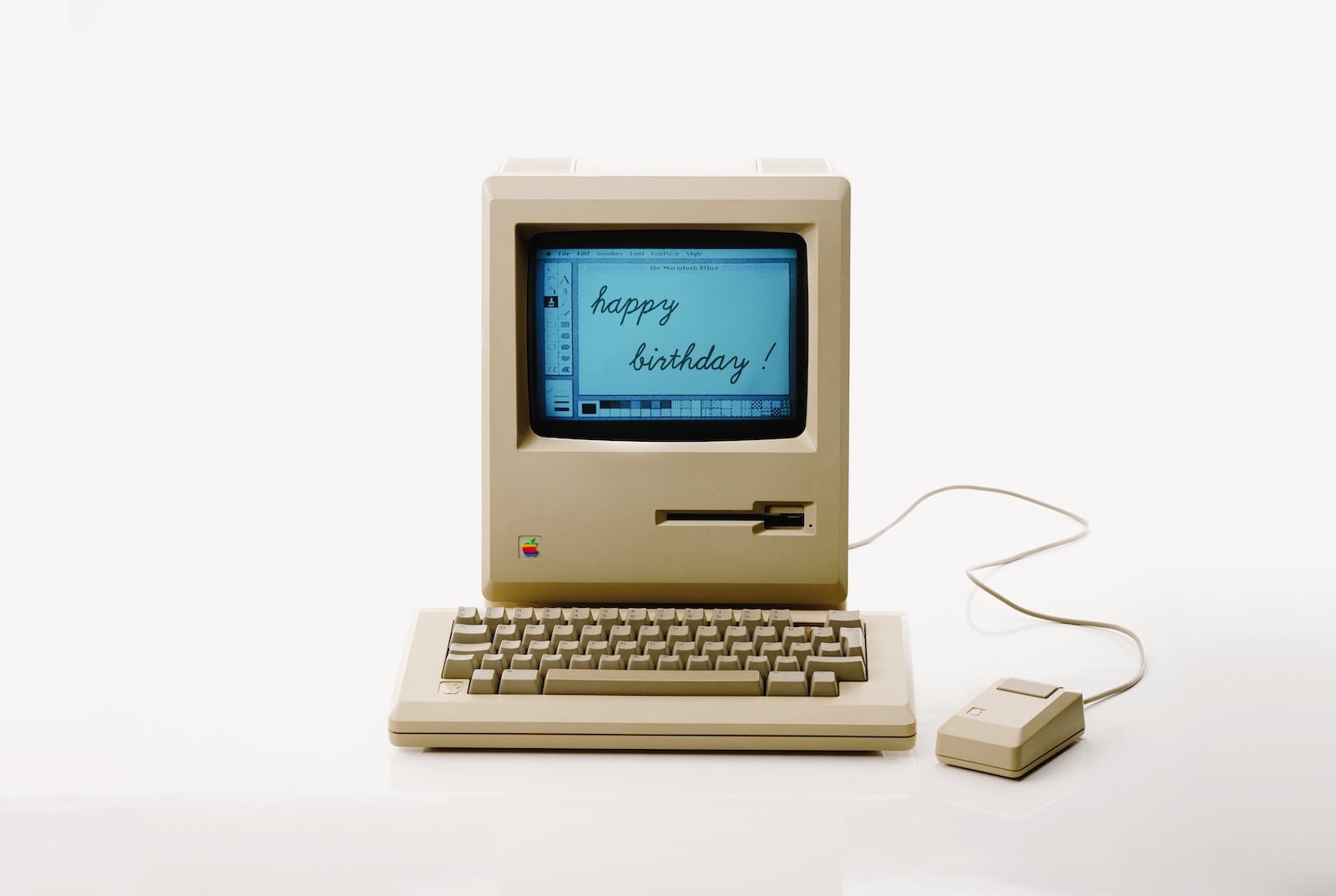
On January 24, 1984, the Macintosh followed – heralded by one of the most famous commercials of all time. The "1984" spot, directed by Ridley Scott, aired during the Super Bowl and positioned the Mac as a liberating break from the conformity of the IBM world. The Macintosh was the first commercially available personal computer to combine a graphical user interface and a mouse for the mass market. It cost $2,495 and initially sold well, but later fell short of expectations.
Internally, tensions were rising. Jobs' uncompromising leadership style, his drive for perfection at any cost, and the internal power struggles led the board—under Sculley's leadership—to remove Jobs from all operational responsibility in 1985. Jobs left Apple and founded NeXT Computer. It was a shock to the entire technology industry: The visionary had lost his own company.
The Years Without Jobs: Stagnation and Near-Collapse (1985–1997)
The twelve years following Jobs' departure were Apple's darkest period. Under CEOs John Sculley (until 1993), Michael Spindler (until 1996), and Gil Amelio (until 1997), the company lost its creative compass. There were certainly some remarkable products—the 1991 PowerBook set new standards for portable computers, and the 1993 Newton MessagePad was a precursor to the tablet. But none of these innovations could halt the strategic decline.
Apple tried to license its products, lost market share to Microsoft Windows, and produced a confusing array of models without a clear strategy. Sales plummeted, and losses mounted. By the mid-1990s, Apple was on the verge of bankruptcy. Its stock price fell to historic lows, and the technology press openly speculated about the company's demise.
In this time of desperation, Apple took a remarkable step: In December 1996, the company acquired NeXT for approximately $427 million – and thus brought Steve Jobs back. Officially, he initially joined as a consultant, but by September 1997 he had been appointed interim CEO. The "iCEO" era had begun.
The Rebirth: Steve Jobs and the Reinvention (1997–2001)
Jobs' return was radical. He streamlined the product line, stopped licensing the operating system to third-party vendors, and focused Apple on four core products: one desktop and one notebook each for home users and professionals. This focus was a liberating move.
One of the most important steps was an agreement with arch-rival Microsoft. In August 1997, Microsoft invested $150 million in Apple and pledged to continue developing Office for the Mac. The investment was less financially than psychologically crucial – it signaled to the market that Apple remained viable.
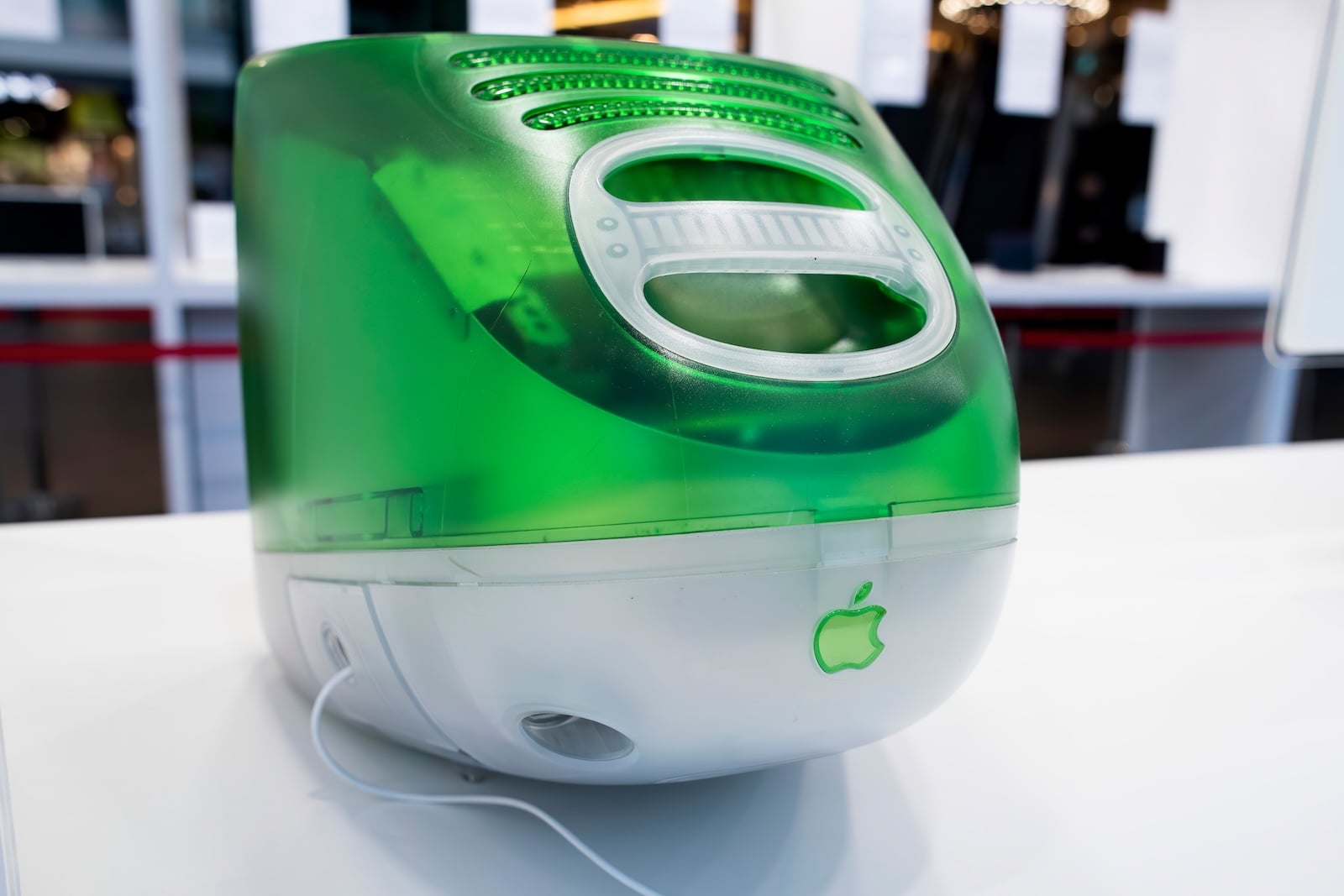
In May 1998, the iMac was introduced – an all-in-one computer in a semi-transparent, candy-colored case. It was the first Apple product to embody the new design language under chief designer Jonathan Ive. The iMac became the best-selling computer of the year and marked the beginning of Apple's aesthetic revolution.
In January 2001, Jobs introduced Mac OS X – a completely new operating system based on NeXT technology and with Unix at its core. It was technically superior, stable, and elegant. That same year, Apple opened its first two retail stores in Virginia and California – at the time ridiculed by many as risky, but today a benchmark for retail worldwide.
The iPod and iTunes: Apple conquers the music industry (2001–2006)
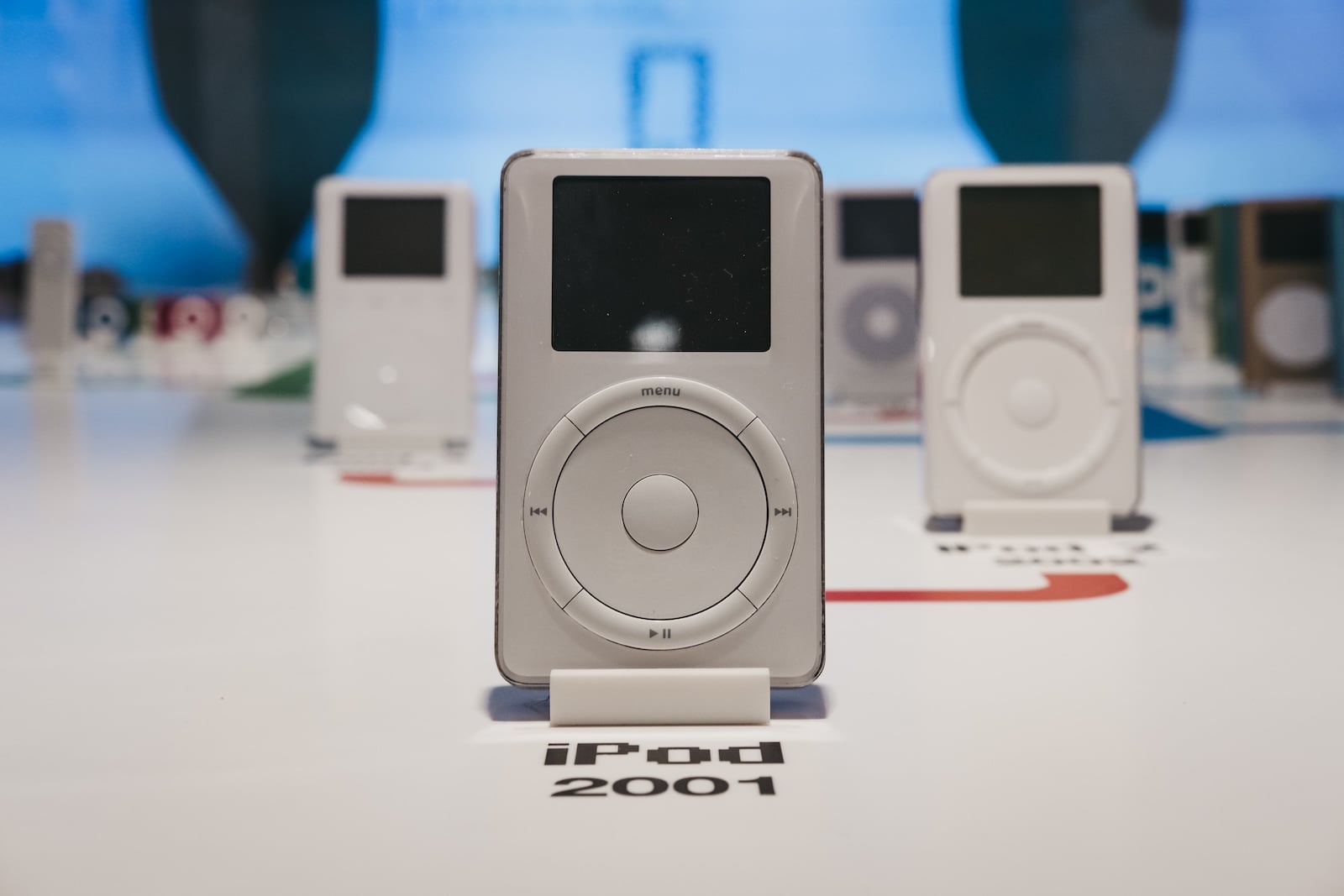
On October 23, 2001, Jobs introduced the iPod, stating that Apple was putting 1,000 songs in your pocket. The iPod wasn't the first portable music player, but it was the first to offer a seamless user experience through an elegant combination of hardware, software, and a simple scroll wheel.
In April 2003, the iTunes Store was launched, offering individual songs for download for 99 cents. This was a revolution for the music industry, which at that time was suffering from massive piracy. Apple offered a legal, convenient alternative – and in doing so, changed the entire business model of the industry.
Until 2005, the iPod dominated the portable music player market with a market share of over 70 percent. Apple was no longer just a computer company – Apple was a cultural phenomenon. The white headphones became a status symbol for an entire generation.
The iPhone: The Day Everything Changed (2007)
On January 9, 2007, Steve Jobs took to the stage at the Macworld keynote and announced three products: a widescreen iPod with a touchscreen, a revolutionary mobile phone, and an internet communications device. He then revealed that it was all one device: the iPhone.
The iPhone, which went on sale on June 29, 2007, was a turning point – not just for Apple, but for all of humanity. It combined a telephone, music player, camera, internet access, and countless other functions into a single device that was operated entirely via a multi-touch screen. Keyboards, styluses, and clunky interfaces were a thing of the past.
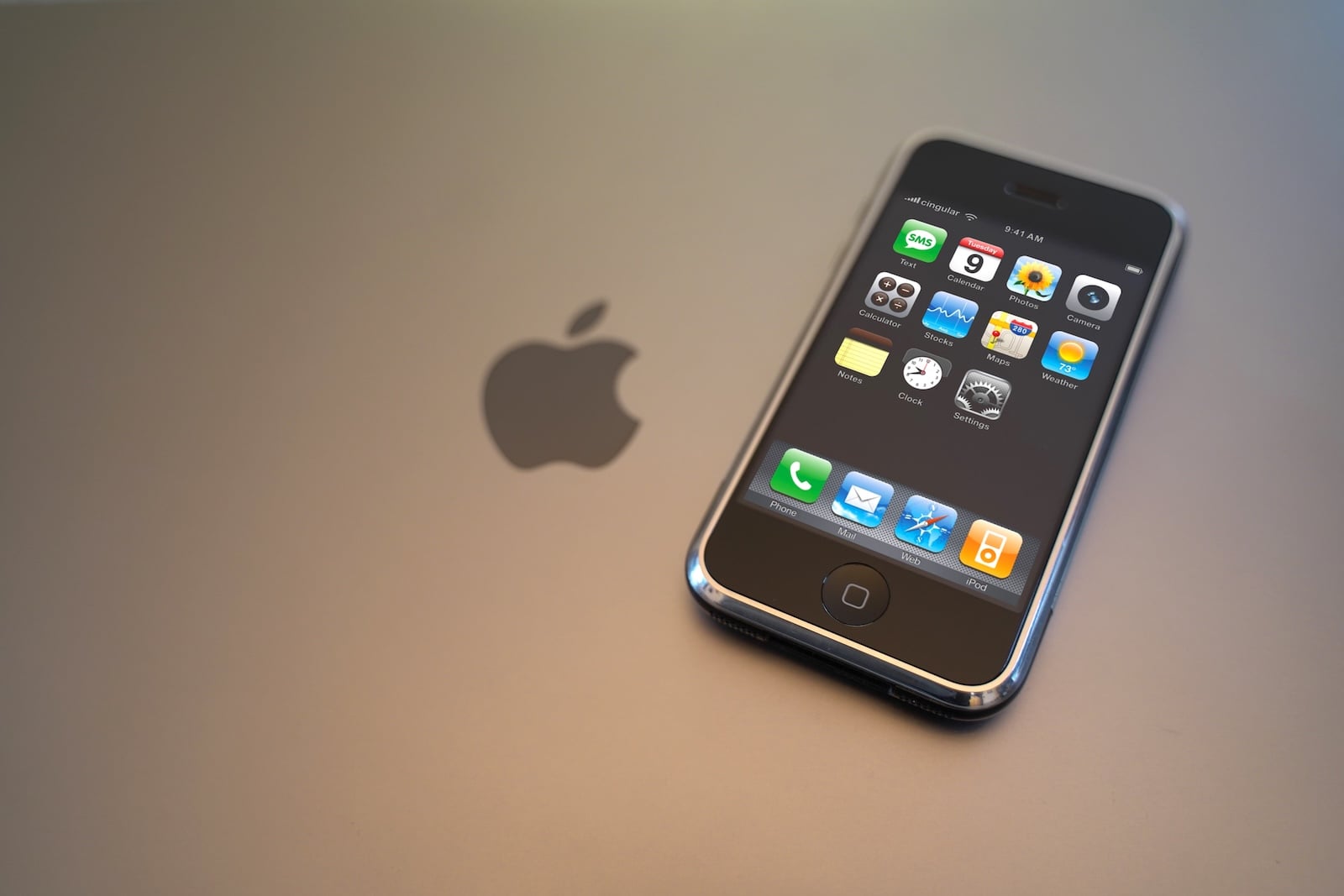
The competition – Nokia, BlackBerry, Motorola – recognized the implications too late. Nokia, then the undisputed market leader in mobile communications, lost its dominance within just a few years. BlackBerry, which had previously dominated the smartphone market for business users, was marginalized. The iPhone defined what a smartphone could be – and the entire industry followed suit.
In the same year, Apple Computer, Inc. officially renamed itself Apple Inc. – a sign that the computer was no longer the defining product.
The App Store and the iPad: A new ecosystem emerges (2008–2010)
The App Store launched in July 2008 – initially with around 500 apps. Within just a few years, this platform grew into an ecosystem with millions of applications, giving rise to an entirely new software industry. Independent developers could suddenly reach a global audience, and Apple earned a commission on every sale. The phrase "There's an app for that" became a household name.
On January 27, 2010, Jobs introduced the iPad. Critics initially called it an oversized iPhone, but the tablet quickly found its place – as a media device, a work tool, and a learning tool. The iPad created a product category that didn't exist before and dominated it from the start.
2010 was also the year in which Apple's stock reached record highs. Sales figures for the iPhone 4 exceeded all expectations – over 600,000 pre-orders in a single day. Apple was now definitively no longer just a technology company, but a cultural and economic giant.
The Loss: Steve Jobs' Death and His Legacy (2011)
On October 5, 2011, Steve Jobs died at the age of 56 from cancer. His death shocked the world far beyond the technology industry. People worldwide laid flowers, candles, and bitten apples in front of Apple Stores.
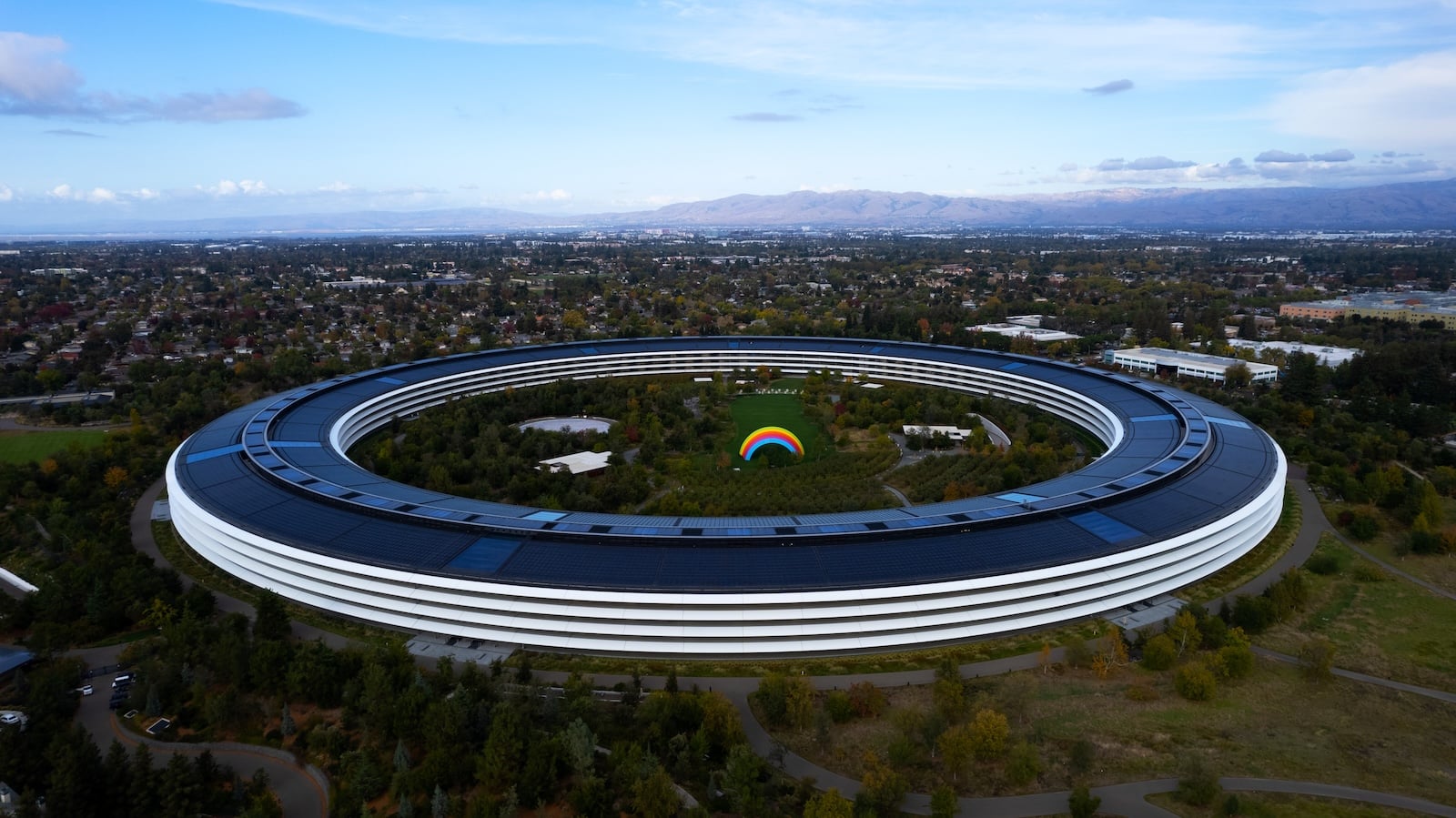
Jobs left behind a company he had built from scratch, lost, and rescued from the brink of bankruptcy. His last major project—Apple Park in Cupertino—was completed posthumously and occupied in 2017. The campus is not only Apple's headquarters but also an architectural monument to Jobs' vision: the fusion of technology, design, and nature. The Steve Jobs Theater on the grounds, where every major Apple keynote has since been held, bears his name as a permanent reminder.
Jobs' legacy extends beyond individual products. He established a corporate culture that prioritized perfection, simplicity, and the user experience above all else. These principles continue to shape Apple today.
The Tim Cook era: From visionary to operator (2011–2020)
Tim Cook initially took over the leadership of Apple as deputy during Jobs' illness and then officially as CEO from August 2011. Cook was not a charismatic product visionary like Jobs – he was an operations genius who had made Apple's supply chain the most efficient in the world.
Under Cook's leadership, Apple grew to dimensions that even Jobs could scarcely have foreseen. In August 2018, Apple became the first publicly traded company in history to break the one trillion US dollar market capitalization mark. Just two years later, in August 2020, it surpassed the two trillion dollar mark.
Cook strategically expanded Apple's product portfolio. In 2015, the Apple Watch was launched – initially ridiculed as a luxury gadget, it became the global market leader in smartwatches and increasingly a serious health device with ECG functionality, blood oxygen measurement, and fall detection. The AirPods followed in 2016, defining the market for wireless headphones and generating billions in revenue within just a few years.
Cook also pushed forward the services sector: Apple Music (2015), Apple TV+ (2019), Apple Arcade (2019), Apple Pay and iCloud grew into a substantial source of revenue, making Apple less dependent on the iPhone cycle.
Apple Silicon: The Chip Revolution (2020-2025)
On November 10, 2020, Apple announced its departure from Intel processors and introduced the M1 chip—the first in-house designed processor for the Mac. It was a tectonic shift. The M1 offered performance and energy efficiency that outclassed Intel's chips. The industry was stunned.
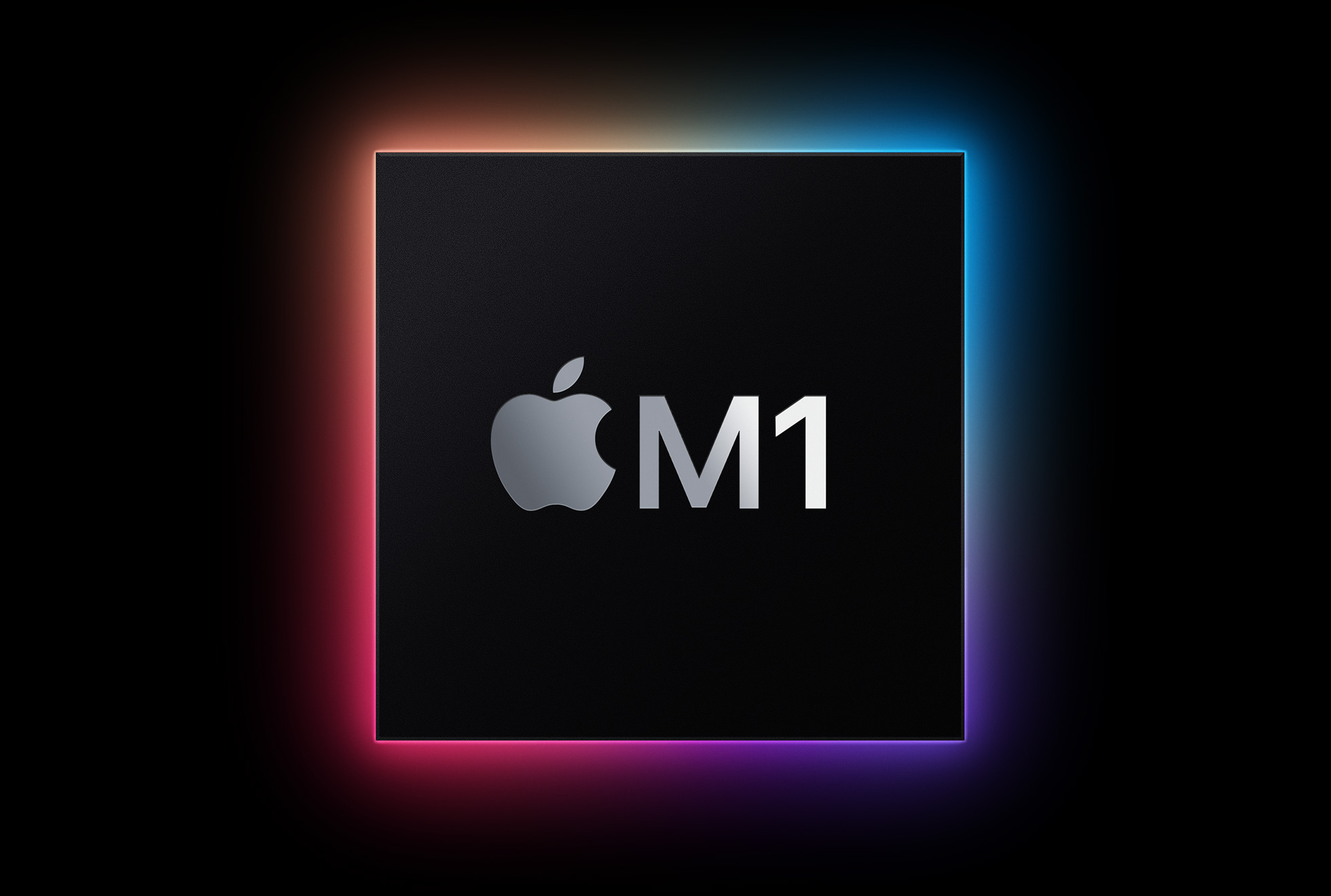
In the following years, Apple consistently expanded the M-chip family: M1 Pro, M1 Max, M1 Ultra, followed by M2, M3, M4, and M5. Each generation increased performance and efficiency. The Mac suddenly became a performance powerhouse once again—whether for creative professionals, software developers, or scientists. The transition from Intel to Apple Silicon is considered one of the smoothest and most successful platform changes in the history of the computer industry.
The M4 chip arrived in 2024, followed by the M5 and M5 Pro in new MacBook Air and MacBook Pro models in 2025 and 2026, respectively. The MacBook Neo, introduced in 2026 and Apple's most affordable notebook to date, also uses Apple's own chip architecture.
Apple Vision Pro and spatial computing (2023–2026)
On June 5, 2023, Apple unveiled the Vision Pro – Apple's first foray into the world of "spatial computing." The headset combined augmented reality and virtual reality in a device that was typical of Apple: technologically ambitious, aesthetically sophisticated, and with a price tag of $3,499, anything but suitable for the masses.
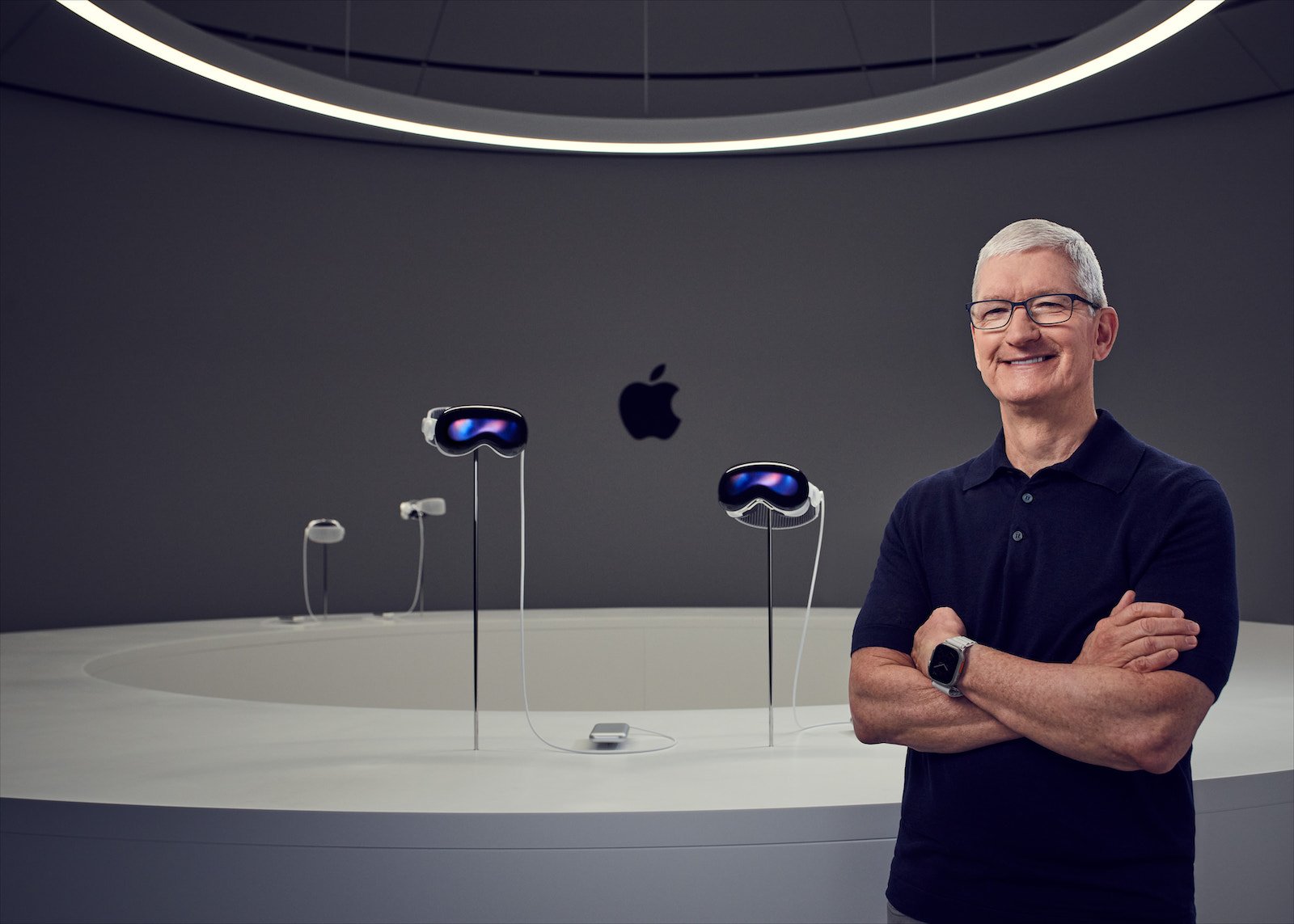
The Vision Pro didn't sell in iPhone-like numbers, but that wasn't the goal. Apple positioned the device as the foundation for a new computing platform – comparable to the Macintosh of 1984 or the iPhone of 2007 in their respective early stages. With visionOS, Apple created its own operating system for spatial computing, and the developer community began building applications that blurred the lines between the digital and physical worlds.
Apple Intelligence and the AI Era (2024–2026)
In 2024, Apple introduced its AI framework, "Apple Intelligence"—a collection of features integrated directly into iOS, iPadOS, and macOS. Apple pursued a characteristically unique approach: instead of relying on cloud-based models, the majority of AI processing ran directly on the device. Where cloud performance was required, Apple utilized its "Private Cloud Compute" infrastructure, specifically designed for privacy-compliant processing.
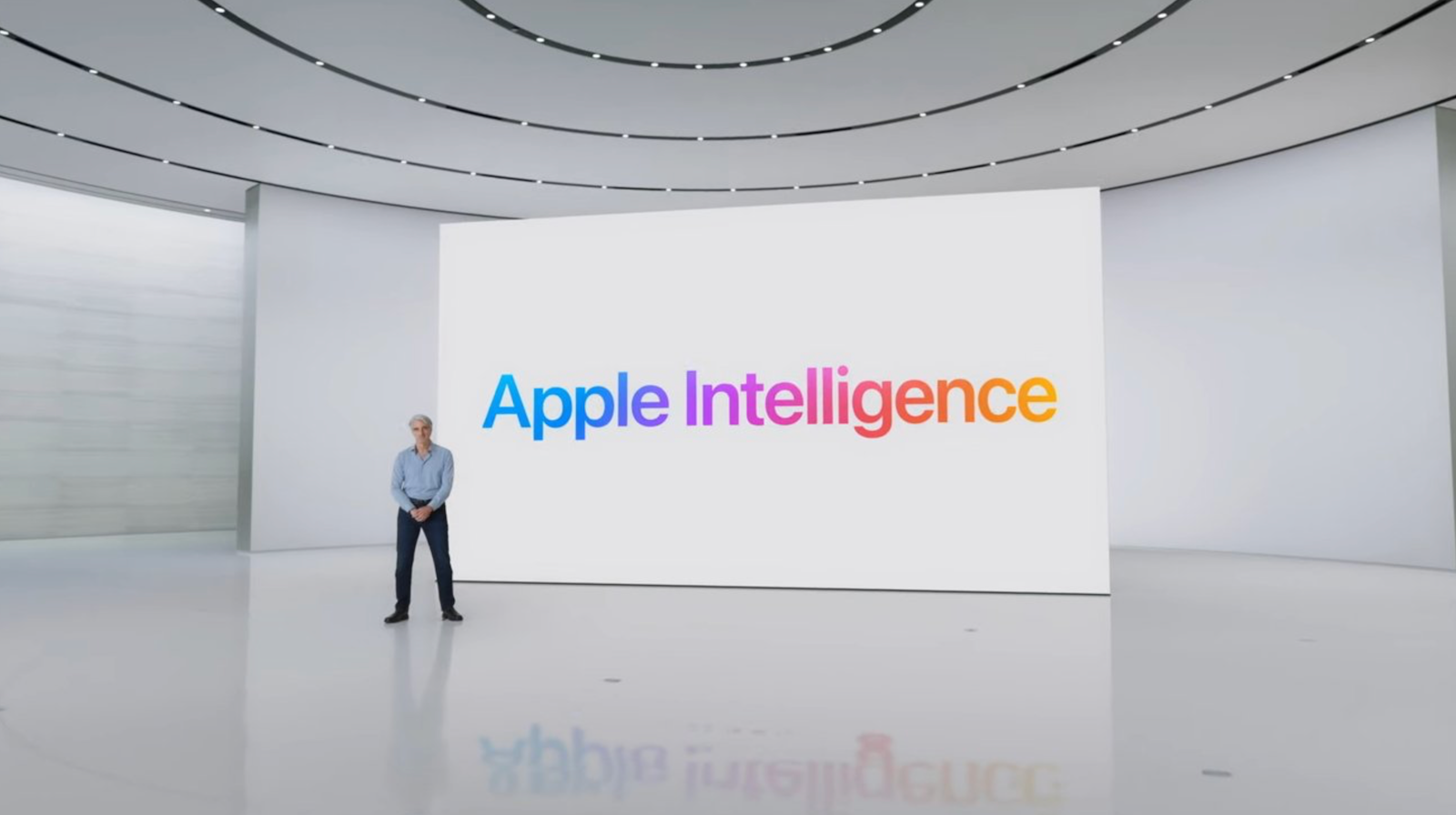
Reports indicate that Apple is also working on a major overhaul of Siri, expected to be released later this year. According to these reports, Apple is planning a partnership with Google to integrate Gemini technology into Siri – a leap from an estimated 150 billion to 1.2 trillion parameters. At the same time, Apple will maintain its existing integration with OpenAI's ChatGPT. Apple's strategy is clear: to utilize the best AI models, but always filter them through the lens of its own privacy promise.
Apple today: Astounding numbers (2026)
On its 50th birthday, Apple is at the peak of its economic power. Its market capitalization stands at nearly four trillion US dollars – making Apple one of the two or three most valuable publicly traded companies in the world, alternating with Nvidia and Alphabet depending on the trading day.
In the Christmas quarter of 2025 (Apple's Q1 FY2026), the company achieved record revenue of $143.8 billion. iPhone revenue rose by 23 percent to $85.3 billion – the best iPhone quarter ever. In China, where Apple had recently been under pressure, revenue grew by 38 percent. The services division generated over $26 billion in revenue.
Apple's product portfolio for its 50th anniversary year, 2026, is the most extensive in its history: new iPhone 18 models, the long-awaited iPhone Fold as a completely new category, MacBook Air and MacBook Pro updates with M5 chips, the new MacBook Neo as an entry-level device, iPad updates, and new operating system versions. It's a product extravaganza that demonstrates that even after 50 years, Apple shows no signs of slowing down.
Five decades in numbers
A look at the raw numbers illustrates Apple's transformation. At its IPO in 1980, the issue price was $22 per share. Today, adjusted for all stock splits, the original investment has yielded a return in the tens of thousands of percent. In 1997, when Jobs returned, Apple's market capitalization was around two to three billion US dollars. Since December 1998, the market capitalization has increased by over 83,000 percent – an average annual growth rate of nearly 28 percent.
Apple currently employs around 160,000 people worldwide and operates over 500 retail stores in more than 25 countries. Since its launch in 2008, the App Store has generated hundreds of billions of US dollars in revenue and created millions of jobs in the app economy. The installed base of active Apple devices exceeds two billion – an ecosystem that is unparalleled.
The people behind Apple
Apple's story is also the story of extraordinary individuals. Steve Wozniak, the technical genius who conceived the first computers. Steve Jobs, the visionary who fused design and technology. Mike Markkula, the first investor to believe in the idea. Jonathan Ive, whose design language shaped Apple for over two decades. Tim Cook, the operations strategist who made Apple the most valuable company in the world. Craig Federighi, who today leads software development and whose relaxed style is a hallmark of Apple keynotes. And last but not least, the hundreds of thousands of employees, developers, and creatives worldwide who bring Apple's ecosystem to life.
Ronald Wayne is also part of this story – as a tragic, peripheral figure. His ten percent founding stake, which he sold for $800, would be worth hundreds of billions of dollars today.
Apple's philosophy: Technology meets humanities
What sets Apple apart from other technology companies is a conviction that Jobs summarized on a slide back in 2011: Apple stands at the intersection of technology and the humanities. This principle permeates everything – from hardware to software to the retail experience.
Apple has never built the most powerful product, offered the most interfaces, or charged the lowest price. Instead, Apple has consistently focused on the user experience. Every interaction—unboxing a new iPhone, setting up a Mac, shopping in the Apple Store—is meticulously choreographed. This obsession with detail has transformed Apple products from mere tools into objects that create an emotional connection with people.
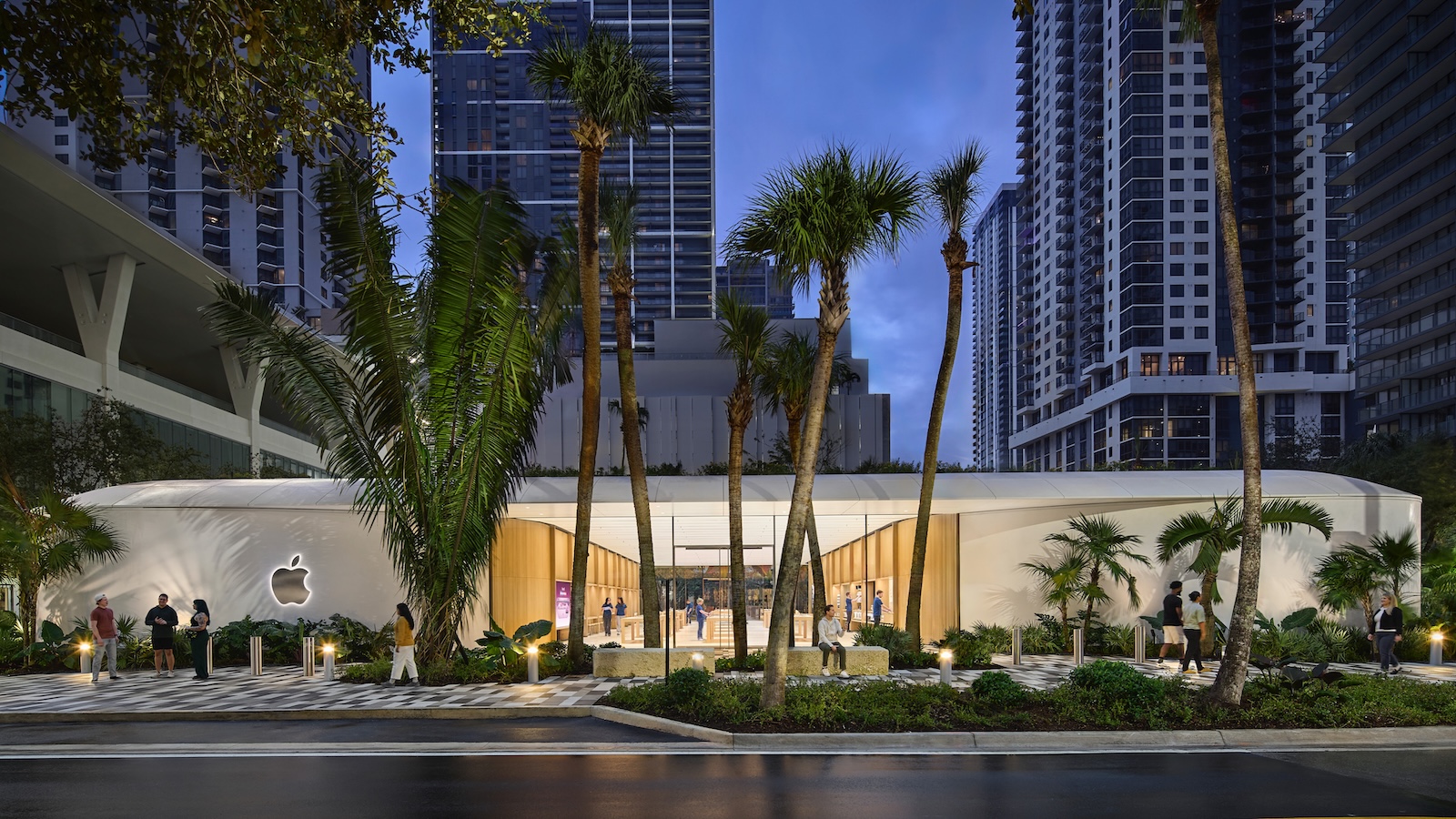
The "Think Different" motto, which Apple introduced as an advertising campaign in 1997 and which is now the guiding principle of its 50th anniversary, was never just a slogan. It was a promise: Apple believes in people who think differently, who challenge the status quo, who consider the impossible possible. From the Apple I to the Vision Pro – Apple has consistently delivered on this promise over the past 50 years.
Criticism and controversies
An honest look back at 50 years of Apple would be incomplete without mentioning the controversies. Working conditions in the supply chain—particularly at Foxconn in China—have been repeatedly criticized. Apple's practice of charging high commissions in the App Store has led to legal disputes with Epic Games and regulatory action worldwide. The repairability of Apple products has long been a point of contention, although Apple has recently made progress with self-service repair programs and the affordably repairable MacBook Neo.
Apple's tax practices – particularly its profit shifting to Ireland – have also sparked political debate. In 2016, the European Commission demanded a tax payment of €13 billion. And the closed nature of Apple's ecosystem, while guaranteeing security and consistency, is criticized as restricting user freedom.
Apple has taken action in many of these areas – partly voluntarily, partly under pressure. The transparency reports on its supply chain, the opening up to alternative app stores in the EU, and the aforementioned repair initiatives show that the company is not completely ignoring criticism.
This is how Apple is celebrating its 50th birthday
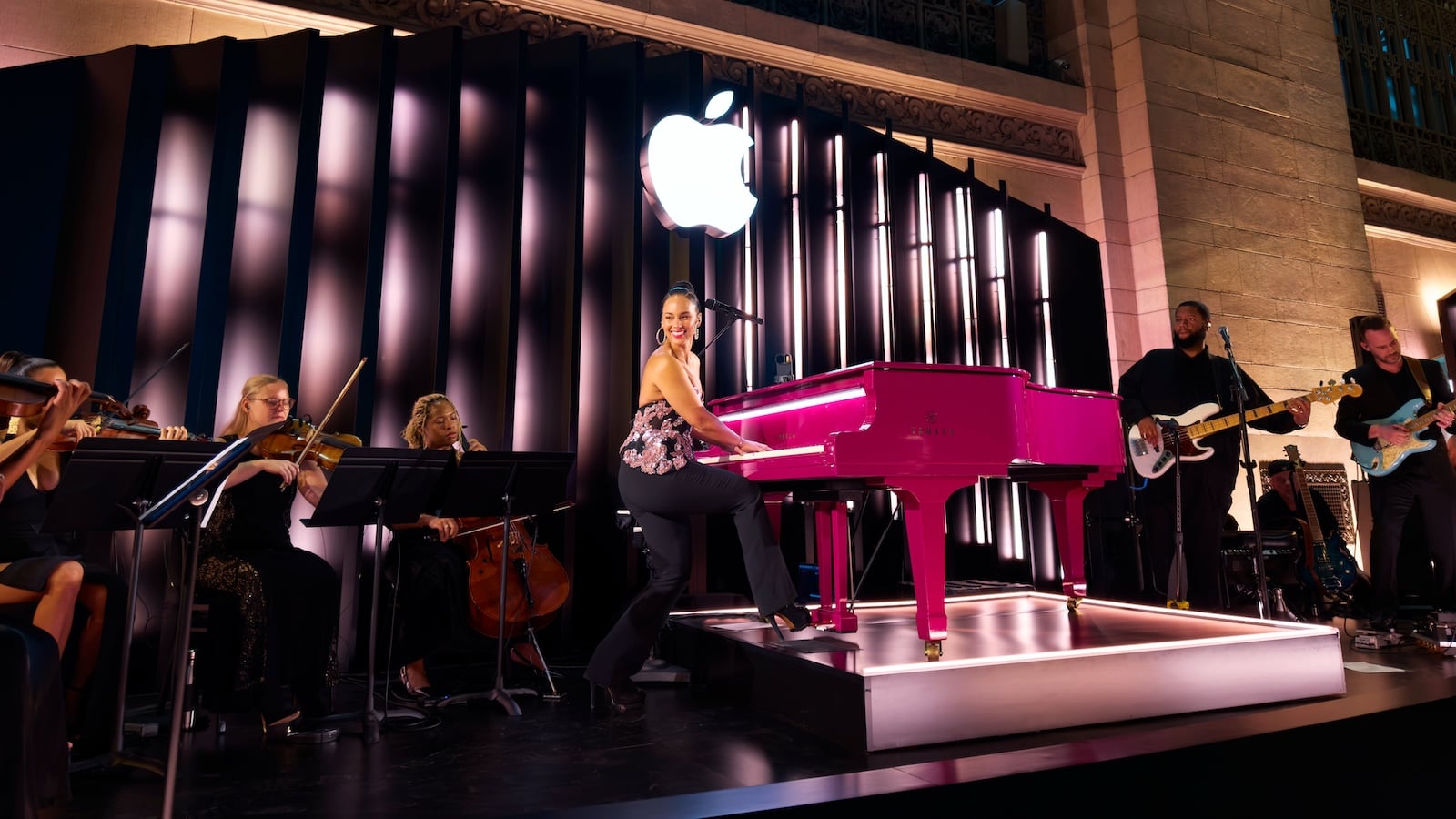
Apple didn't celebrate the anniversary with a single event, but with a global campaign that spanned the entire month of March. It kicked off on March 13th with a surprise concert by Alicia Keys at Apple Grand Central in New York City. The 17-time Grammy winner performed on the store's iconic steps – captured on the iPhone 17 Pro.
In the following weeks, Apple continued the celebrations around the globe. In Chengdu, Chinese pop icon Chris Lee (Li Yuchun) performed outside the Apple Taikoo Li Store. In Seoul, K-pop band CORTIS performed at Apple Myeongdong. In Bangkok, artist Molly Yllom led a creative "Today at Apple" session at Apple Iconsiam. In London, Mumford & Sons played a public concert outside Apple's UK headquarters in the former Battersea Power Station, accompanied by a DJ set from Nia Archives. In Paris, Apple set up a pop-up recording studio on the Champs-Élysées with DJ and producer Pedro Winter and rapper Twinsmatic. In Washington, D.C., Academy Award winner Troy Kotsur and Gallaudet University President Roberta Cordano discussed accessibility and creativity. In Shanghai, fashion designer Feng Chen Wang presented a special "Life and Love" show outside the Apple Jing'an Store as part of Shanghai Fashion Week. Other events took place in Vancouver, Mexico City, Mumbai and Tokyo.
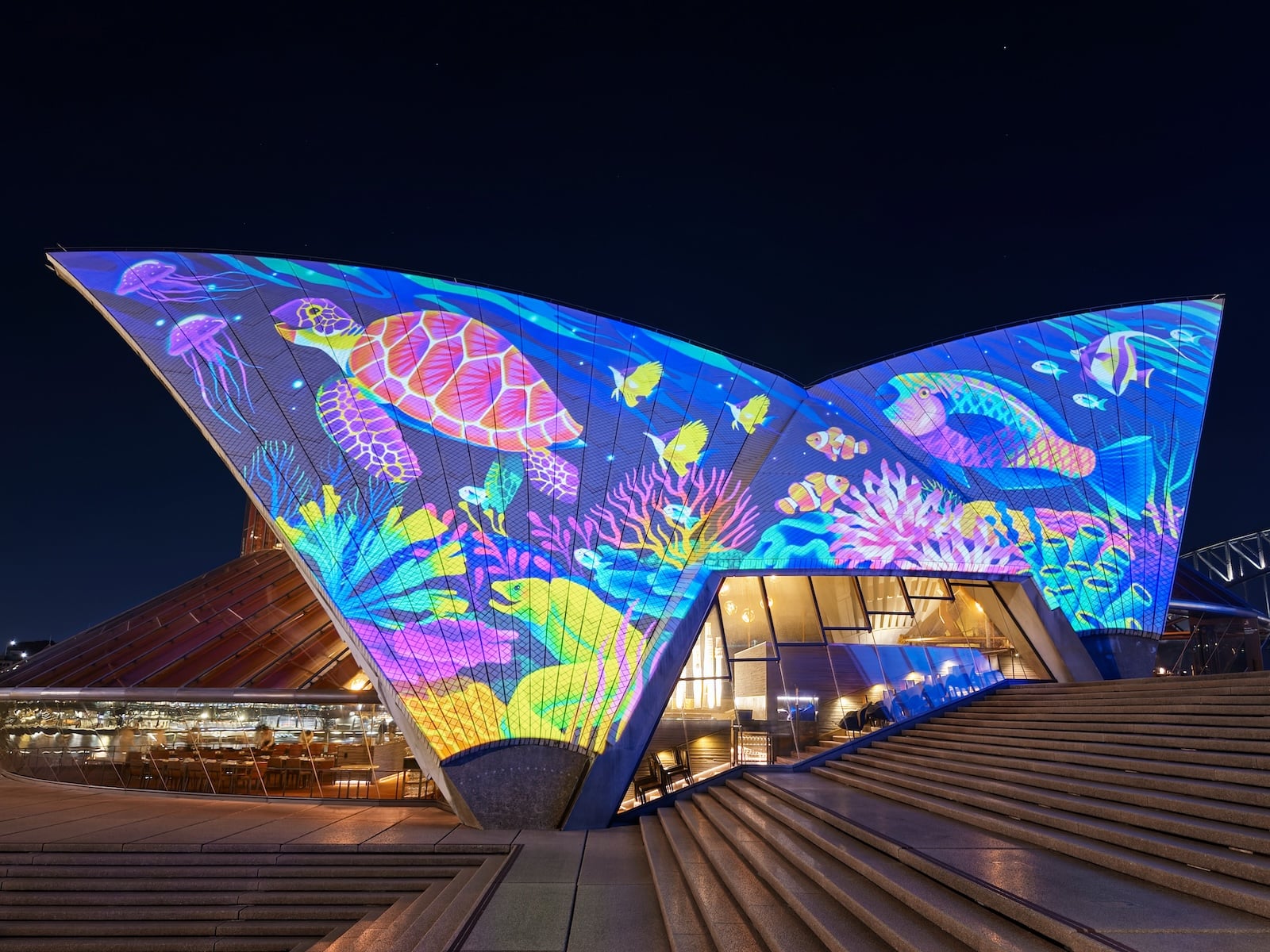
One of the most visually stunning highlights was on display in Sydney: From March 25 to 27, the eastern sails of the Sydney Opera House were illuminated with digital art created by ten emerging Australian artists using the Procreate app on the iPad. Artwork from public "Today at Apple" sessions was also projected.
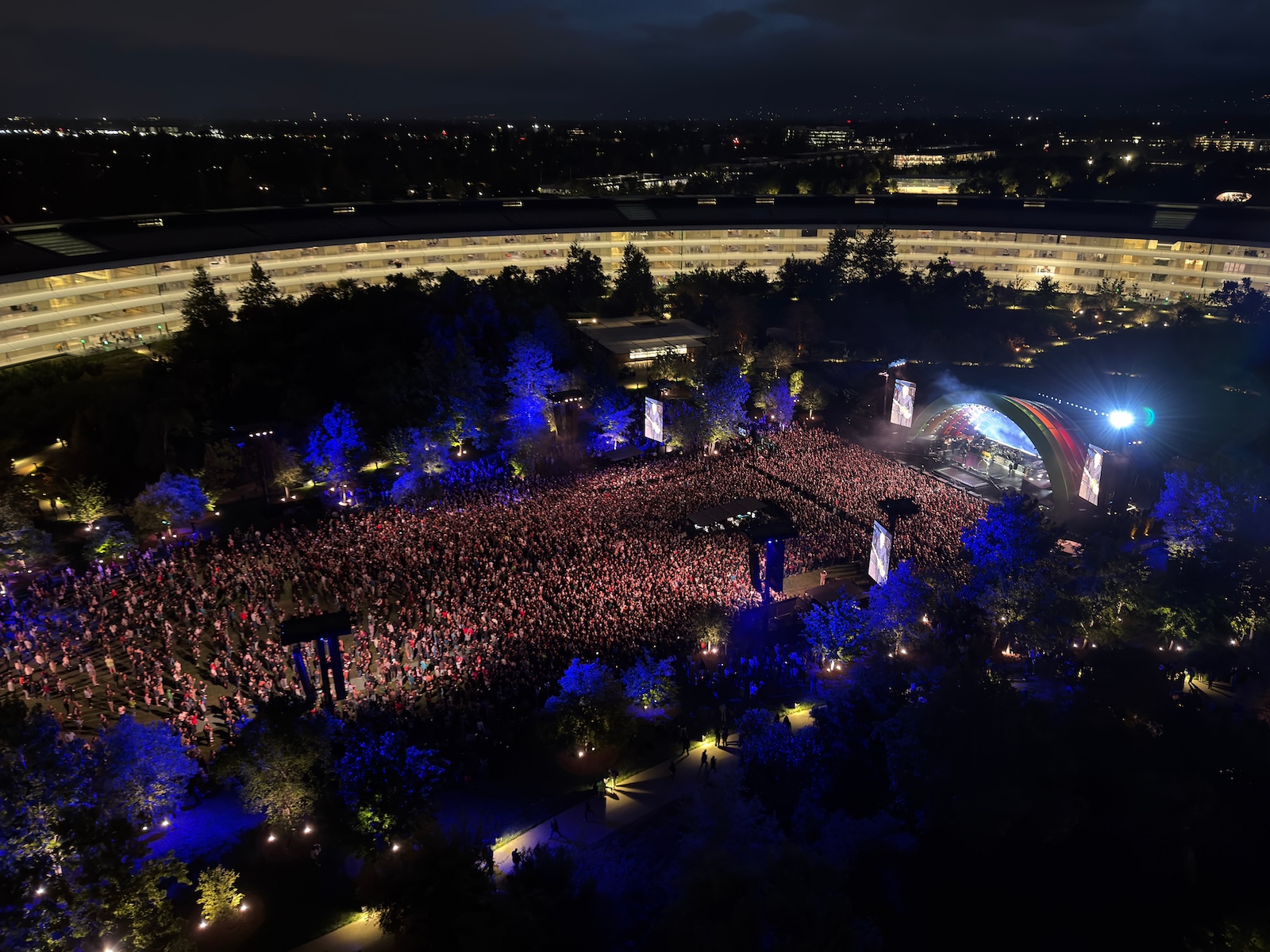
The grand finale took place on the evening of March 31st at Apple Park – the campus Steve Jobs envisioned as his last great project. NASDAQ even brought its opening bell to Cupertino so Tim Cook could ring in the trading day. Paul McCartney then performed on the Rainbow Stage in the heart of the campus – a choice rich in symbolism. Steve Jobs was an ardent Beatles fan, and the long-running trademark dispute between Apple Inc. and the Beatles' record label, Apple Corps, shaped Apple's relationship with the music industry for decades. When the Beatles catalogs finally appeared on iTunes in 2010, Jobs called it an honor. That McCartney now musically crowned Apple's 50th anniversary brought this circle full circle in a special way. The concert was exclusively for Apple employees. In addition, all employees received exclusive anniversary gifts: a T-shirt, an enamel pin and a limited-edition poster – all featuring the hand-drawn rainbow Apple logo that Apple designed for its 50th anniversary campaign.
- Apple is more successful than ever – thanks to Tim Cook
- Apple Park: Apple's architectural vision in detail
- Why an iPhone? These advantages are convincing in the long term
- Apple Privacy Policy: Why no competitor can keep up
A look ahead
What comes after 50 years? Apple is preparing for the next decade with one of the most extensive product offensives in its history. The iPhone Fold is set to launch an entirely new device category. Apple Intelligence will be more deeply integrated into every product. The Vision Pro platform is maturing. And 2027 marks the 20th anniversary of the iPhone – another milestone that Apple will likely celebrate with a special device.
Tim Cook himself has set the course: Apple is investing in AI, health technology, spatial computing, and new product categories. The company remains true to its principle – acquiring small, innovative companies that advance existing products, rather than focusing on mega-acquisitions.
Exactly five decades after its founding in a garage, Apple is a company that accompanies billions of people every day. It has changed the way we communicate, work, learn, make music, take photos, and navigate. Whether Apple will be just as transformative in the next 50 years, no one can predict. But if history teaches us anything, it's this: underestimating Apple is a dangerous thing. (Image: Apple)
- Apple TV in April 2026: All the highlights at a glance
- AirPods Buying Guide: Pro 3 vs. AirPods 4 vs. Max 2
- Apple Music vs. Spotify: Which streaming Service is worth it?
- Studio Display vs. Studio Display XDR: Is the extra cost worth it?
- Mac Buying Guide M4: Mac mini vs. Mac Studio vs. iMac
- MacBook Air vs. Neo: Is the extra cost worth it?
- MacBook Pro M5: 14 vs. 16 inch – Which is worth it?
- MacBook Air M5: 13 vs. 15 inch – Which size is worth it?
- iPhone Buying Guide: iPhone 17 vs. Air vs. 17e
- iPad Buying Guide 2026: Which iPad is right for you?
- Apple Watch Buying Guide: Ultra 3 vs. Series 11 vs. SE 3
- MacBook Air vs. MacBook Pro 2026: Which is worth it?
- Apple AI Pin: All the info on the new wearable
- iPhone 17 vs. iPhone 17 Pro: Which model is really worth it?
- Apple is reportedly preparing six new products
- iPhone Fold: All rumors and facts at a glance
- Apple radically restructures its iPhone lineup: All the details
- AirPods Max 2: All audio improvements at a glance
- AirPods Max 2: New feature for the Digital Crown
- AirPods Max 2 overview: What's stayed the same
- AirPods Max 2 vs. AirPods Max 1: All the differences in detail
- iOS 27: These are the new features Apple is planning for the iPhone
- M6 MacBook Pro: Apple plans major changes
- Apple 2026: These new devices are still expected