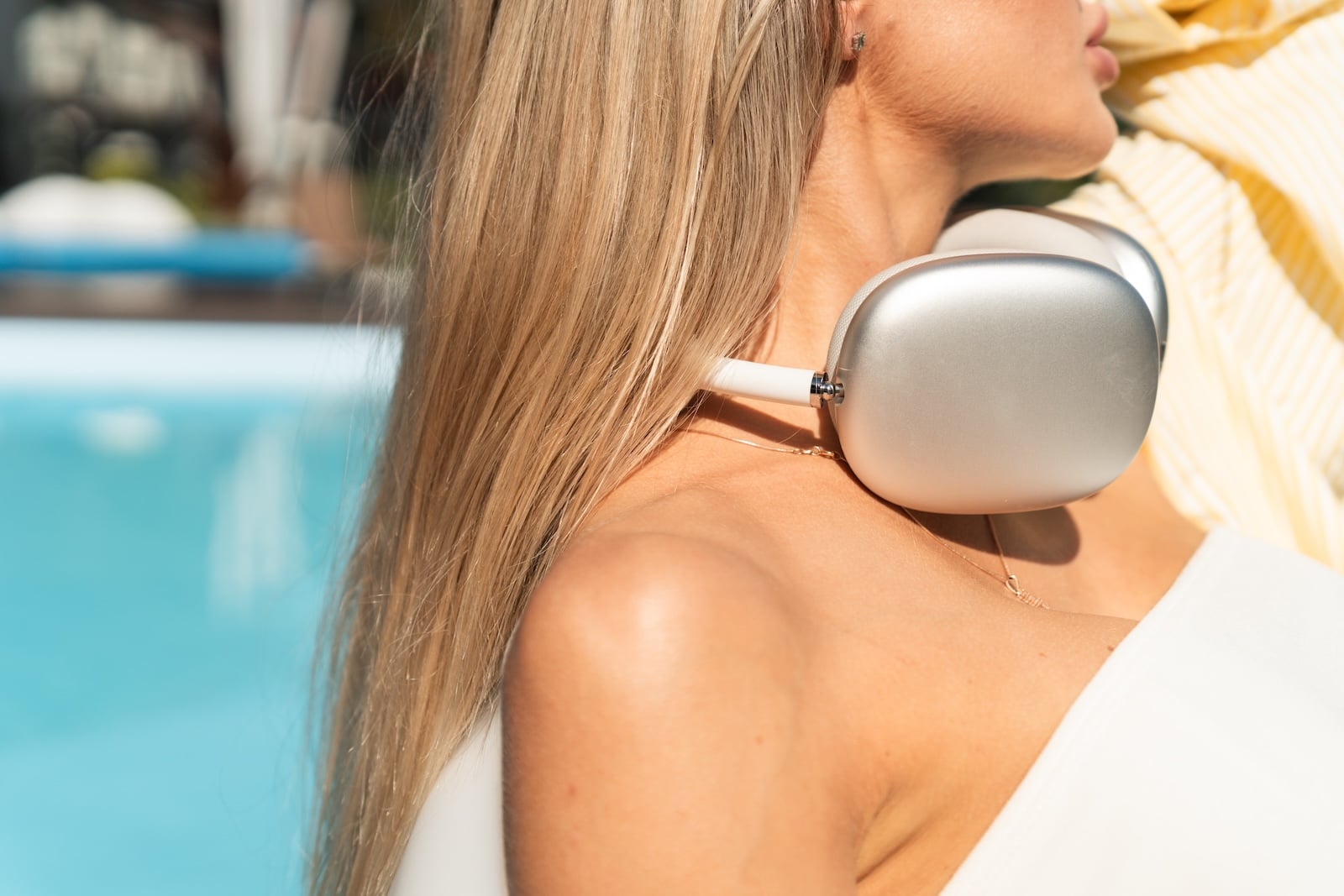
With the AirPods Max 2, Apple has technically revamped its over-ear headphones. The most noticeable change is the switch from the H1 to the H2 chip. This step brings significant improvements, especially in the audio department. The goal is more precise sound, better noise processing, and greater automation in everyday life.
The first generation of AirPods Max already offered high sound quality and excellent build quality. However, newer AirPods models have since demonstrated the capabilities of the H2 chip. With the AirPods Max 2, this technology is now being brought to the over-ear model.
The external appearance remains unchanged. The further development takes place almost exclusively internally, with a clear focus on audio functions and user experience.
The H2 chip as the central innovation
The H2 chip replaces the previous H1 chip and forms the basis for all new features. It was already used in the AirPods 4 and the AirPods Pro 2 and now also provides more processing power and more efficient audio processing in the AirPods Max.
Together with a new high-dynamic-range amplifier, it enables more precise control of the sound and noise cancellation.
Active noise cancellation on a new level
Active noise cancellation has been significantly improved. Apple states that it is up to 1.5 times more effective than in the previous model.
A new, computer-based audio algorithm detects ambient noise more accurately and compensates for it more precisely. This results in a more consistent reduction of disruptive noise without negatively impacting the sound.
Adaptive audio and automatic adjustments
With Adaptive Audio, the AirPods Max 2 automatically adjust to the surrounding environment. The intensity of the noise cancellation is dynamically regulated.
Additionally, the "Loud Sound Reduction" function is included. Loud noises such as machinery or construction sites are automatically reduced.
Another feature is personalized volume. The system learns over time which volume level is preferred in certain situations and adjusts accordingly.
Transparency mode with more natural sound
The transparency mode has also been revised. A new digital signal processing algorithm ensures that ambient sounds are reproduced more naturally.
Your own voice also sounds more realistic. This improves intelligibility in conversations and makes for a more pleasant listening experience in everyday life.
Conversation mode for smooth communication
The conversation mode automatically detects when someone is speaking. At that moment, the playback volume is reduced and voices are emphasized.
After the call, the volume automatically returns to its previous level. Manual adjustment is not required.
Improved Hi-Fi audio quality
Thanks to the H2 chip and the new amplifier, the driver has more headroom available. This directly affects the sound quality.
Bass frequencies are reproduced more precisely and evenly. Mids and highs sound more natural. In addition, the spatial representation is improved, so that instruments are more clearly distinguishable from one another.
Advanced Adaptive EQ
The Adaptive EQ has been specifically adapted for the H2 chip. It now also works more accurately in higher frequency ranges.
Inward-facing microphones continuously analyze the audio signal and adjust the playback in real time. This creates a consistent sound, regardless of position, movement, or ear shape.
Voice isolation for better intelligibility
Voice isolation specifically highlights your own voice. Background noise is reduced, which is particularly helpful during phone calls in noisy environments.
Furthermore, the function is also suitable for creative applications such as higher quality voice or vocal recordings.
Lower latency and new wireless technology
The AirPods Max 2 support Bluetooth 5.3 instead of Bluetooth 5.0. This makes the wireless connection more stable and faster.
Apple states that latency has also been reduced. This improves synchronization in videos and other applications.
Additional functions besides audio
In addition to audio improvements, the H2 chip enables additional features. These include live translation, remote camera control, and activating Siri without the "Hey" command.
At the same time, familiar features are retained, including personalized spatial audio, fast pairing and automatic device switching.
Design, audio format and positioning
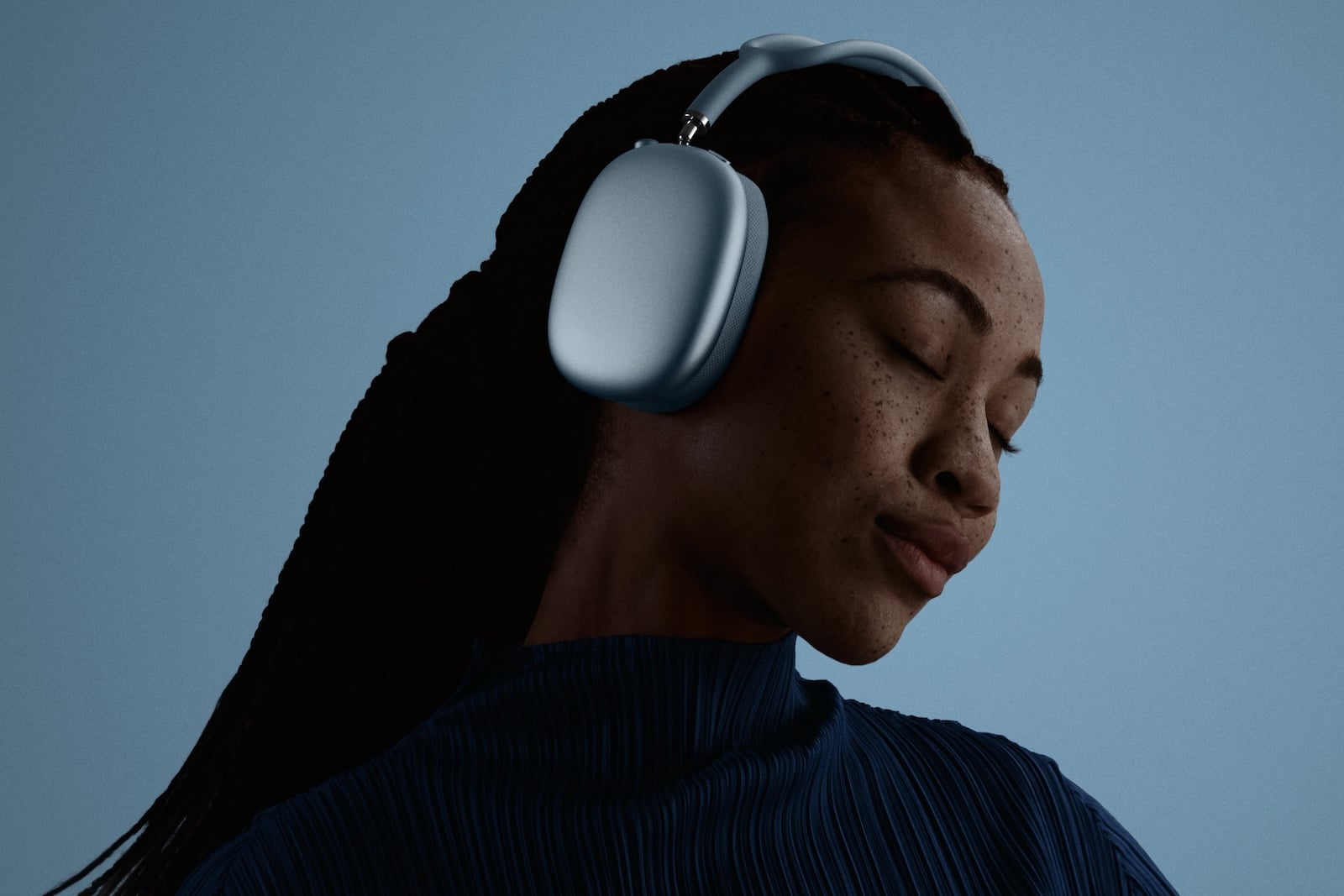
The design remains unchanged. The fit and appearance are still the same as the previous model.
One key advantage remains the lossless audio. Via a wired USB-C connection, the AirPods Max 2 support 24-bit/48kHz audio. This level of quality is not achieved by the AirPods Pro.
Price and availability
The AirPods Max 2 cost €579. Pre-orders start on March 25th. The market launch is planned for early April, but a specific date has not yet been announced.
AirPods Max 2: Focus on technology rather than design change
The AirPods Max 2 are a technological advancement without any external changes. The focus is clearly on audio quality, intelligent adaptation, and improved noise cancellation.
The H2 chip enhances existing features and opens up new possibilities. The result is a more modern and flexible listening experience that automatically adapts to different usage situations. The best products for you: Our Amazon storefront offers a wide selection of accessories, including those compatible with HomeKit. (Image: Shutterstock / Dulin)
- AirPods Max 2: New feature for the Digital Crown
- AirPods Max 2 overview: What's stayed the same
- AirPods Max 2 vs. AirPods Max 1: All the differences in detail
- iOS 27: These are the new features Apple is planning for the iPhone
- M6 MacBook Pro: Apple plans major changes
- Apple 2026: These new devices are still expected
- MacBook Neo changes the role of the iPad as a laptop replacement
- Apple TV 2026: Why Apple prefers to wait rather than rush into delivery
- MacBook Neo: Why this Apple notebook is so important
- MacBook Neo vs. MacBook Air: The most important differences
- Studio Display vs. Studio Display XDR: All the differences
- M5 MacBook Air vs. M4 MacBook Air: The differences
- iPhone 17e vs. iPhone 16: Which one is worth it?
- iPhone 17e vs. iPhone 16e: All the differences
- M4 iPad Air vs. M3 iPad Air: All the differences
- iPhone 17e vs. iPhone 17: The most important differences
- Apple TV in March 2026: All the Highlights
- Apple Watch Ultra 4 brings major improvements
- Apple will be using OLED displays in several devices in the future
- macOS 27: All rumors, features & release date
- tvOS 26.4: Here's what's changing for Apple TV 4K
Frequently asked questions about the AirPods Max 2
The most significant innovation is the H2 chip, which replaces the previous H1 chip. This primarily improves audio quality, noise cancellation, and intelligent adaptation to different environments. Additional features include adaptive audio, personalized volume, and an automatic conversation mode.
Active noise cancellation has been significantly improved. According to Apple, it is up to 1.5 times more effective than in the previous model. New algorithms detect ambient noise more precisely and filter it out more effectively.
The H2 chip provides increased processing power and improved audio processing. This significantly optimizes sound, noise cancellation, transparency mode, and other functions. It also enables new features such as lower latency and additional smart functions.
Yes, the AirPods Max 2 support lossless audio at 24-bit/48kHz via a wired USB-C connection. This is an advantage over the AirPods Pro, which do not offer this quality.
No, the design remains unchanged. Apple has not altered either the fit or the external appearance. The improvements relate exclusively to the internal technology.
Adaptive Audio automatically adjusts noise cancellation to the environment. It also integrates features such as loud noise reduction and personalized volume control.
The conversation mode automatically detects when someone is speaking. The playback volume is reduced and voices are emphasized. After the conversation, the sound automatically returns to normal.
Yes, the new amplifier and the H2 chip have significantly improved the hi-fi audio quality. Bass is more precise, mids and highs more natural, and instrument separation clearer.
The AirPods Max 2 support Bluetooth 5.3. This makes the connection more stable and reduces latency compared to the previous model with Bluetooth 5.0.
The AirPods Max 2 cost €579. Pre-orders start on March 25th, with the market launch planned for early April. A specific date has not yet been announced.