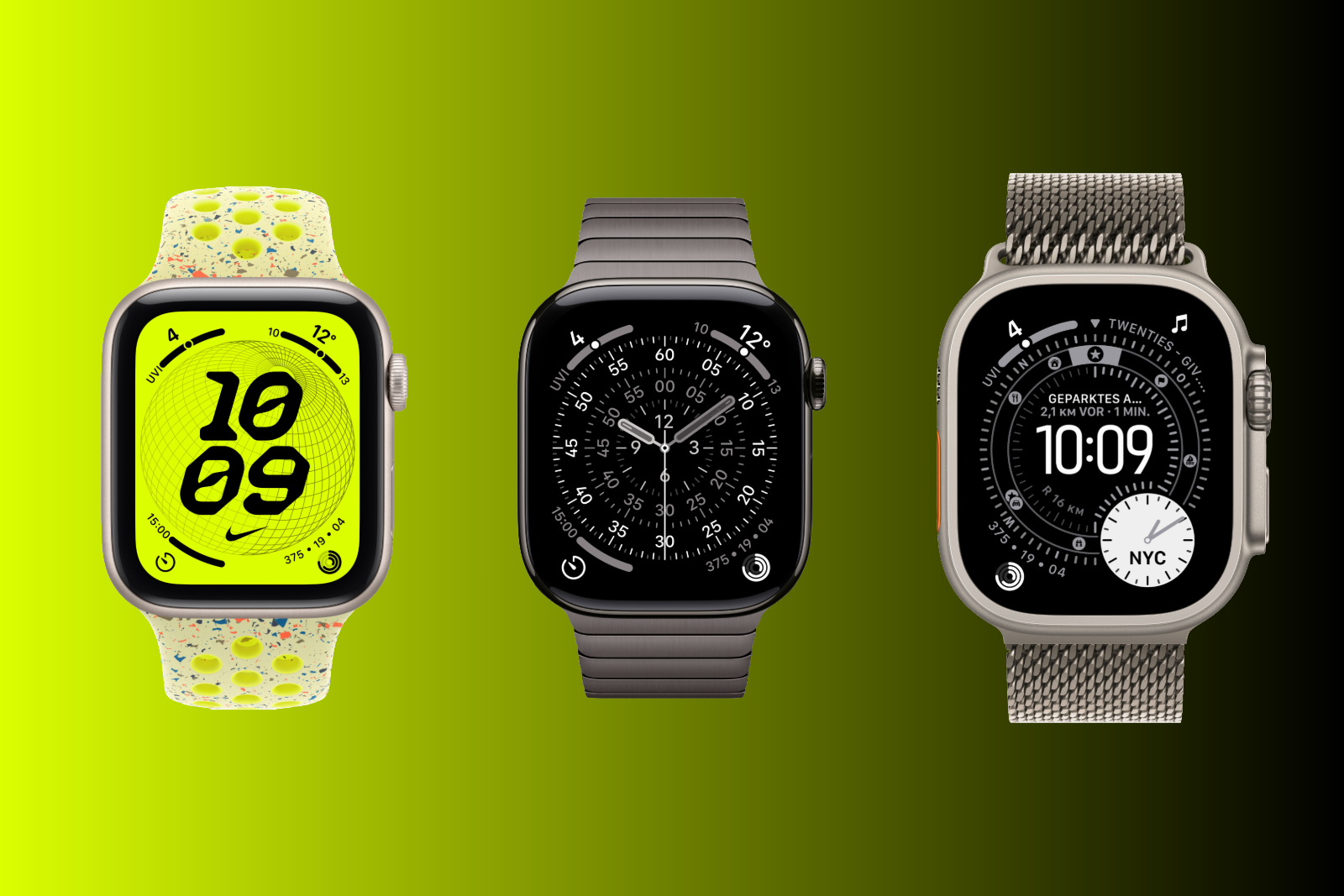
Apple offers three smartwatches for different needs: the Apple Watch Ultra 3, the Series 11, and the SE 3. All three models run watchOS 26, use the same S10 chip, and support 5G. The differences lie in the details – in the display, health features, battery life, case, and price. This comparison shows which model is right for whom.
Choosing an Apple Watch has rarely been as difficult as it is in 2025/2026. This isn't because the models are bad—quite the opposite. Apple has upgraded the SE 3 so significantly that the gap to the considerably more expensive Series 11 has become surprisingly small. Always-on display, double-tap gesture, fast charging, and 5G are now available even on the entry-level model. At the same time, the Ultra 3 remains the undisputed choice for outdoor enthusiasts, divers, and anyone who needs maximum battery life. Understanding the actual differences will allow you to make a much better purchasing decision.
All three Apple Watch models were unveiled in September 2025 and have been available since September 19th. They all feature the S10 SiP chip with Neural Engine, 5G cellular connectivity (in the Cellular version), Wi-Fi, and Bluetooth 5.3. All run watchOS 26 and require an iPhone 11 or later with iOS 26.
Prices in the Apple Store Germany:
- Apple Watch SE 3: from €269
- Apple Watch Series 11 (aluminum): from 449 euros
- Apple Watch Series 11 (Titanium): from 799 euros
- Apple Watch Ultra 3: from 899 euros
The difference between the cheapest and most expensive models is €630. The question is whether the price difference is noticeable in practice.
Design and housing
Apple Watch SE 3
- 40 mm or 44 mm aluminum housing
- Ion-X glass (4x more scratch-resistant than its predecessor)
- Available in Starlight and Midnight
- Sport Band, Solo Loop or Sport Loop
- Lightest model of the three
Apple Watch Series 11
- 42 mm or 46 mm
- Aluminum (Jet Black, Space Gray, Rose Gold, Silver) with Ion-X glass
- Titanium (Natural, Gold, Slate) with sapphire crystal – twice as scratch-resistant as Ion-X
- Same thickness as its predecessor (9.7 mm)
- All existing Apple Watch bands are compatible
Apple Watch Ultra 3
- 49 mm titanium case
- Available in natural titanium and black titanium
- Sapphire crystal with shatterproof front
- Waterproof to 100 meters (10 ATM), suitable for recreational diving to 40 meters
- Action button for quick access to functions
- Integrated siren for emergencies
- Trail Loop, Alpine Loop or Ocean Band
- Largest and heaviest model
The Ultra 3 case is made from 100 percent recycled titanium. It's the most durable case of any Apple Watch and designed for extreme conditions. The Series 11 also offers a premium titanium option, but remains more compact on the wrist. The SE 3 is the lightest and most discreet choice.
Design Conclusion: If you're looking for a discreet, lightweight watch, choose the SE 3 or Series 11 in aluminum. The titanium version of the Series 11 offers premium materials in a compact form. The Ultra 3 is for those who need maximum robustness and a large display – but it makes a much stronger statement on the wrist.
Display
| Feature | SE 3 | Series 11 | Ultra 3 |
|---|---|---|---|
| Display type | OLED LTPO2 | OLED LTPO3 | OLED LTPO3 |
| Always-on Display | Yes (new) | Yes | Yes (with a second hand) |
| Brightness | Up to 1,000 nits | Up to 2,000 nits | Up to 3,000 nits |
| Minimum brightness | 2 nits | 1 nit | 1 nit |
| Edges | Standard | Narrow | 24 % narrower than Ultra 2 |
The SE 3 gets an always-on display for the first time – a feature previously reserved for the more expensive models. This means that even the entry-level model will permanently display the time.
The Series 11, at 2,000 nits, is twice as bright as the SE 3 and offers better readability in direct sunlight. The Ultra 3, with 3,000 nits, takes it a step further and boasts the largest display of any Apple Watch – thanks to 24 percent narrower bezels, the screen area has increased despite the same overall size.
One key difference: The LTPO3 display of the Series 11 and Ultra 3 updates every second, enabling a smooth second hand. The SE 3 updates less frequently.
Display Conclusion: The SE 3's display is sufficient for everyday use. However, the higher brightness of the Series 11 is noticeable during extensive outdoor use or in sunlight. The Ultra 3 offers the best display for extreme lighting conditions and outdoor sports.
Health functions
This is the biggest difference between the models.
All three models offer:
- Heart rate measurement (optical)
- Notification of irregular heartbeat
- Fall detection and accident detection
- Sleep analysis with sleep score (new in watchOS 26)
- Signs of sleep apnea
- Movement and training tracking
- Cycle protocol (basic)
- Wrist temperature sensor (not intended for medical use)
Series 11 and Ultra 3 only:
- ECG (electrocardiogram) for the detection of atrial fibrillation
- Blood oxygen measurement (SpO2)
- Blood pressure warning for hypertension (new 2025)
- 3rd generation (more accurate) heart rate sensor
- Depth gauge and water temperature sensor
- Dust protection according to IP6X
Ultra 3 only:
- Dive computer functions down to 40 m (with Oceanic+ app)
- Integrated siren
- Satellite communication for SOS and location sharing
- Water protection up to 100 m (10 ATM)
Blood pressure alerts are one of the most important new features for 2025. After a 30-day learning period, the Apple Watch detects changes in blood pressure and warns of signs of hypertension. Absolute values are not displayed – it's a trend analysis. This feature is also available on the Series 9, Series 10, and Ultra 2 with watchOS 26, but not on the SE 3.
Health summary: The SE 3 covers the basics – heart rate, sleep analysis, fall detection, and temperature sensor. Those needing ECG, blood oxygen, and blood pressure warnings will have to opt for the Series 11 or Ultra 3. Both also have a depth gauge – the Series 11 down to 6 meters (snorkeling), the Ultra 3 down to 40 meters (scuba diving).
Chip and Performance
All three models use the S10 SiP chip with Neural Engine. This is the same chip that was already used in the Apple Watch Series 10. For the first time in ten years, Apple did not introduce a new processor for the Watch line in 2025.
In practice, this means there are no noticeable performance differences between the three models. Apps launch equally quickly, watchOS 26 runs smoothly across the board, and Siri can process some commands directly on the watch on all three models – without an internet connection.
The SE 3 benefits most from the S10 chip, as its predecessor (SE 2) still used the older S8. This makes double-tap gestures, voice isolation during phone calls, and on-device Siri available for the first time on the entry-level model.
Battery and Charging
| Feature | SE 3 | Series 11 | Ultra 3 |
|---|---|---|---|
| Battery life | Up to 18 hours | Up to 24 hours | Up to 42 hours |
| Power saving mode | Up to 32 hours | Up to 38 hours | Up to 72 hours |
| Fast Charging | Yes (new) | Yes | Yes |
| 80 % in | approx. 45 min. | approx. 30 min. | approx. 45 min. |
The Series 11 has made a significant leap compared to previous generations – from 18 to 24 hours of battery life. This is due to the larger battery and the more efficient architecture. Apple states that 15 minutes of charging is sufficient for eight hours of use.
The Ultra 3 is the longest-lasting Apple Watch, with up to 42 hours of battery life (six hours more than the Ultra 2). In power-saving mode, it lasts up to 72 hours – ideal for multi-day outdoor trips.
The SE 3 gets fast charging for the first time. With 18 hours of battery life in normal mode, it lasts a full day with moderate use, but needs to be plugged in in the evening.
Battery life conclusion: The SE 3 is sufficient for everyday use, but needs to be charged daily. The Series 11 offers significantly more battery life with 24 hours. The Ultra 3 is the only Apple Watch that easily lasts two to three days.
Connectivity and Cellular
All three models support 5G (in the cellular version) for the first time. This is a significant leap compared to their predecessors, which were limited to LTE. 5G enables faster data transfer for streaming, messages, and calls directly from the watch – without needing an iPhone nearby.
- SE 3: GPS or GPS + Cellular
- Series 11: GPS or GPS + Cellular
- Ultra 3: GPS + Cellular (always included)
The Ultra 3 also offers satellite communication . This allows users to send SOS messages, share their location, and inform contacts – even without a mobile network. This feature is free for the first two years.
All models support Wi-Fi and Bluetooth 5.3. The Series 11 and Ultra 3 also feature a second-generation ultra-wideband chip for precise device location. The SE 3 does not have a UWB chip.
Which model is right for whom?
The Apple Watch SE 3 is the right choice if:
- Looking for an entry point into the Apple Watch world?
- The basic functions such as notifications, fitness tracking and heart rate are sufficient.
- The budget is limited
- Setting up an Apple Watch for children (Family Setup)
- No advanced health sensors such as ECG or blood oxygen are required.
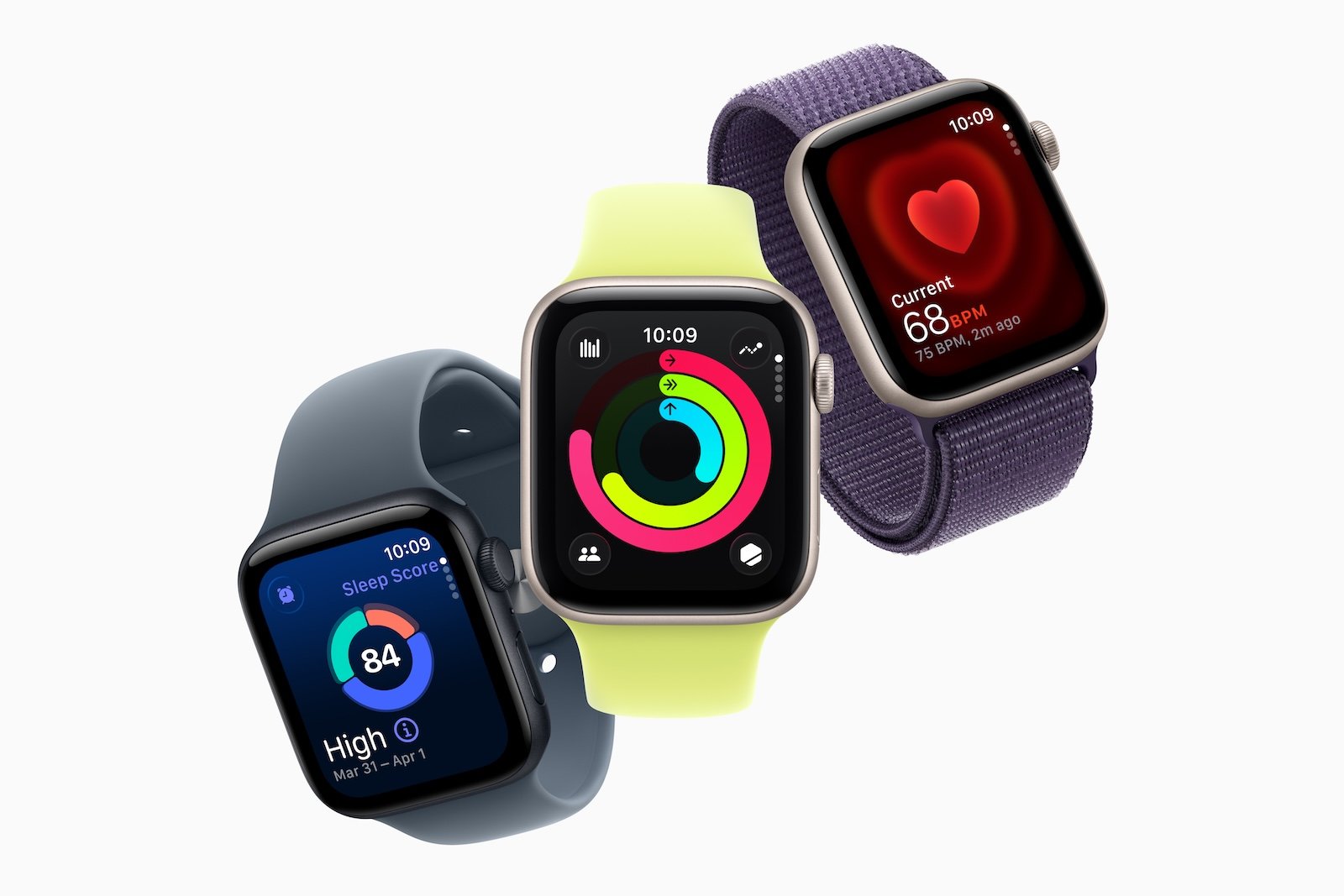
The Apple Watch Series 11 is the right choice if:
- Advanced health features such as ECG, SpO2 and blood pressure warning are important
- A brighter, more scratch-resistant display is desired.
- The titanium option with sapphire crystal is interesting.
- A battery life of 24 hours is required.
- Cycle tracking with ovulation estimation, combined with ECG and SpO2, is intended to offer a full range of health information.
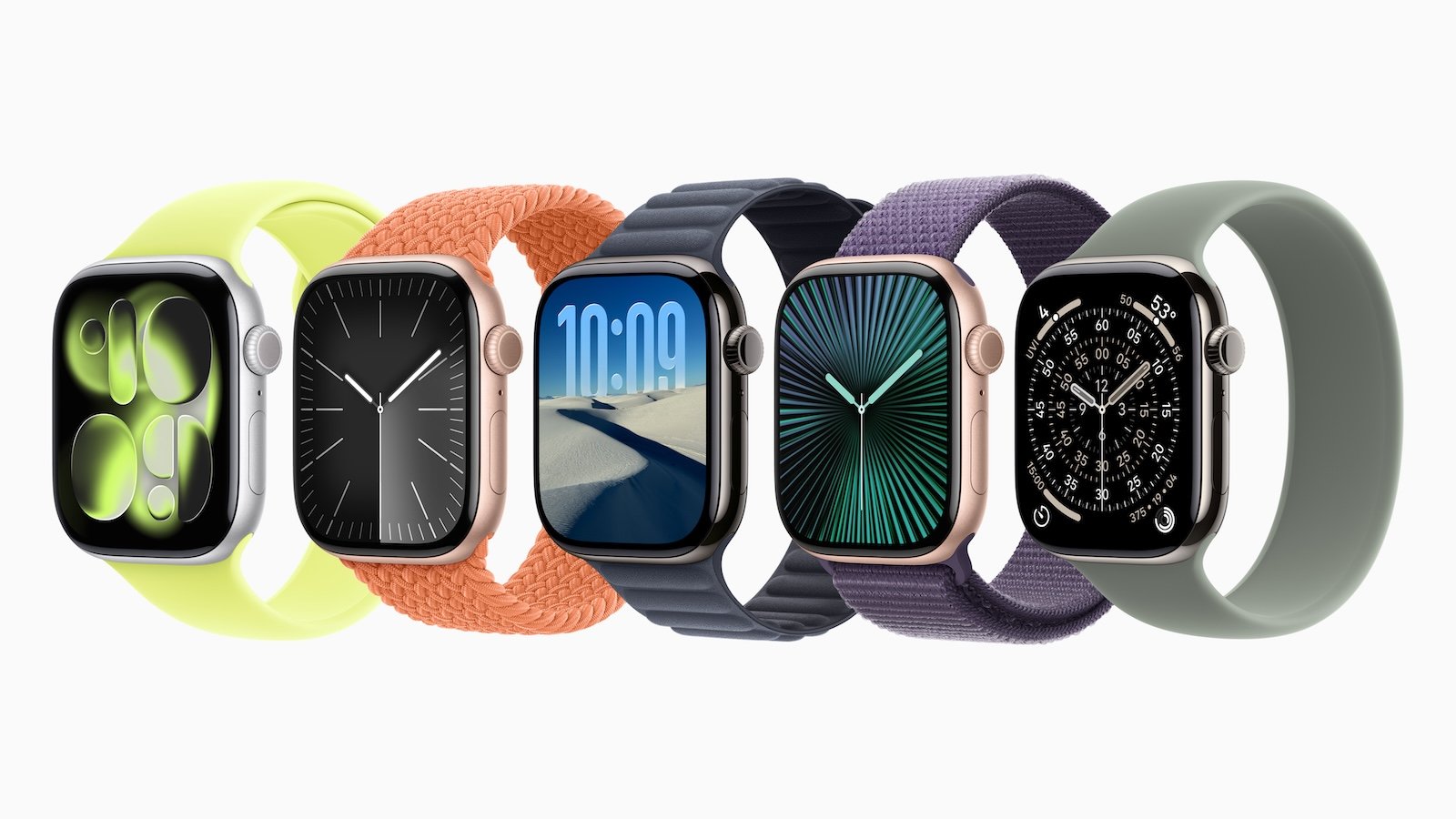
The Apple Watch Ultra 3 is the right choice if:
- Outdoor sports such as hiking, running, mountaineering or diving are practiced
- Maximum battery life (up to 42 hours) is crucial.
- Satellite emergency call systems are needed in remote areas
- A particularly bright, large display for extreme lighting conditions is desired.
- Dive computer functions are required
- The action button for quick access to workouts is appreciated.
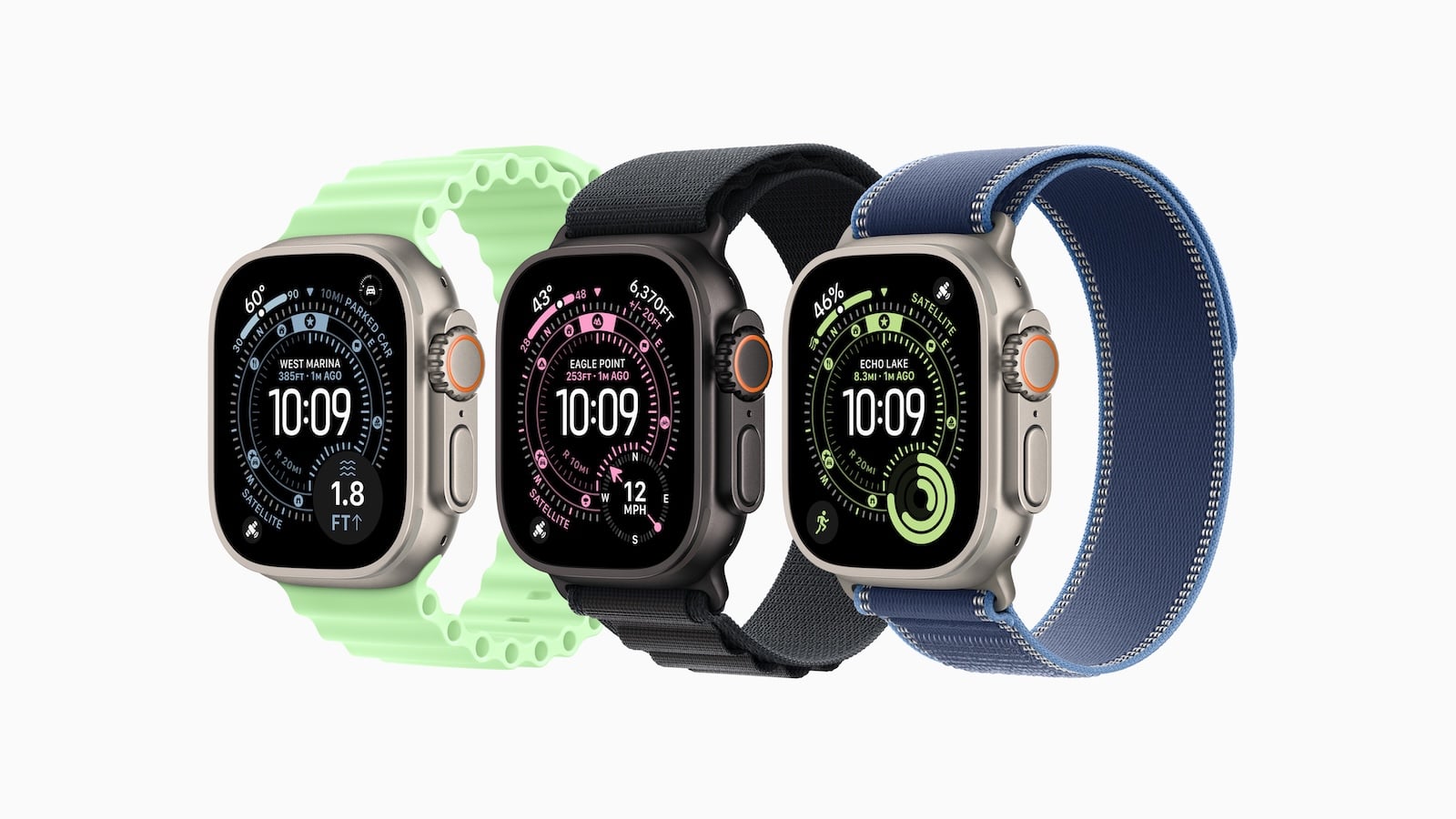
All differences at a glance
| Feature | SE 3 | Series 11 | Ultra 3 |
|---|---|---|---|
| Price from | 269 € | 449 € (aluminium) / 799 € (titanium) | 899 € |
| Housing | Aluminum | Aluminum or Titanium | Titanium |
| Sizes | 40 / 44 mm | 42 / 46 mm | 49 mm |
| Display | OLED, 1,000 nits | OLED, 2,000 nits | OLED, 3,000 nits |
| Always-on | Yes | Yes | Yes |
| Chip | S10 | S10 | S10 |
| ECG | No | Yes | Yes |
| Blood oxygen | No | Yes | Yes |
| Blood pressure warning | No | Yes | Yes |
| Temperature sensor | Yes | Yes | Yes |
| Battery | 18 hours | 24 hours | 42 hours. |
| Power saving mode | 32 hours. | 38 hours. | 72 hours. |
| Fast Charging | Yes | Yes | Yes |
| 5G Cellular | Optional | Optional | Including |
| Satellite emergency call | No | No | Yes |
| Waterproof | 50 m | 50 m | 100 m (diving to 40 m) |
| Action Button | No | No | Yes |
| Siren | No | No | Yes |
| Apple Intelligence | Yes (via iPhone) | Yes (via iPhone) | Yes (via iPhone) |
Which Apple Watch is really worth it?
The Apple Watch SE 3 is the best value model in Apple's smartwatch lineup for 2025/2026. With the S10 chip, always-on display, fast charging, 5G, and the double-tap gesture, Apple has added almost all the features previously reserved for more expensive models. For anyone looking for a reliable smartwatch for notifications, fitness tracking, and everyday use, it's the smartest choice.
The Series 11 justifies its higher price primarily through its enhanced health sensors. Anyone who wants to actively use ECG, blood oxygen monitoring, and blood pressure alerts will find it indispensable. The brighter display and longer battery life are additional selling points. Furthermore, the titanium version offers a premium feel that the SE 3 lacks.
The Ultra 3 is a specialist. Its strengths – satellite emergency call, diving capabilities, 42-hour battery life, and an exceptional display – are particularly relevant for active outdoor sports. For everyday use, it's overkill for many. However, for those who regularly hike, dive, or travel in remote areas, the Ultra 3 is a watch that no other Apple model can replace. The best products for you: Our Amazon storefront offers a wide selection of accessories, including those compatible with HomeKit. (Image: Apple X Apfelpatient)
- MacBook Air vs. MacBook Pro 2026: Which is worth it?
- Apple AI Pin: All the info on the new wearable
- iPhone 17 vs. iPhone 17 Pro: Which model is really worth it?
- Apple is reportedly preparing six new products
- iPhone Fold: All rumors and facts at a glance
- Apple radically restructures its iPhone lineup: All the details
- AirPods Max 2: All audio improvements at a glance
- AirPods Max 2: New feature for the Digital Crown
- AirPods Max 2 overview: What's stayed the same
- AirPods Max 2 vs. AirPods Max 1: All the differences in detail
- iOS 27: These are the new features Apple is planning for the iPhone
- M6 MacBook Pro: Apple plans major changes
- Apple 2026: These new devices are still expected
- MacBook Neo changes the role of the iPad as a laptop replacement
- Apple TV 2026: Why Apple prefers to wait rather than rush into delivery
- MacBook Neo: Why this Apple notebook is so important
- MacBook Neo vs. MacBook Air: The most important differences
- Studio Display vs. Studio Display XDR: All the differences
- M5 MacBook Air vs. M4 MacBook Air: The differences
- iPhone 17e vs. iPhone 16: Which one is worth it?
- iPhone 17e vs. iPhone 16e: All the differences
- M4 iPad Air vs. M3 iPad Air: All the differences
- iPhone 17e vs. iPhone 17: The most important differences
Frequently Asked Questions: Apple Watch Buying Guide
The biggest difference lies in the health sensors. The Series 11 offers ECG, blood oxygen measurement, blood pressure alerts, and a third-generation heart rate sensor. The SE 3 lacks these features. Additionally, the Series 11 boasts a brighter display (2,000 vs. 1,000 nits) and longer battery life (24 vs. 18 hours).
Yes. The SE 3 will be the first to feature an always-on display. This means that even the entry-level model will permanently show the time – a feature previously reserved for the more expensive models.
The Ultra 3 is primarily designed for outdoor sports, diving, and extreme conditions. For everyday use, it's overkill for many. However, some users appreciate the significantly longer battery life of up to 42 hours and the large, bright display. Those who don't need these advantages are better served by the Series 11.
The Apple Watch Ultra 3 offers up to 42 hours of battery life with normal use and up to 72 hours in low power mode. The Series 11 lasts 24 hours (38 in low power mode), and the SE 3 lasts 18 hours (32 in low power mode).
Yes. All three models – SE 3, Series 11, and Ultra 3 – now support 5G (RedCap) in their cellular versions. Cellular is always included with the Ultra 3, while it's an optional extra for the SE 3 and Series 11.
No. Hypertension alerts are only available on the Series 11 and Ultra 3. The same applies to ECG and blood oxygen measurement. The SE 3 offers basic heart rate monitoring and sleep analysis, but no advanced health sensors.
Yes. All three models – SE 3, Series 11, and Ultra 3 – have a wrist-based temperature sensor. This is used, among other things, for cycle tracking with retrospective ovulation estimates. Apple points out that this feature is not intended for medical purposes.