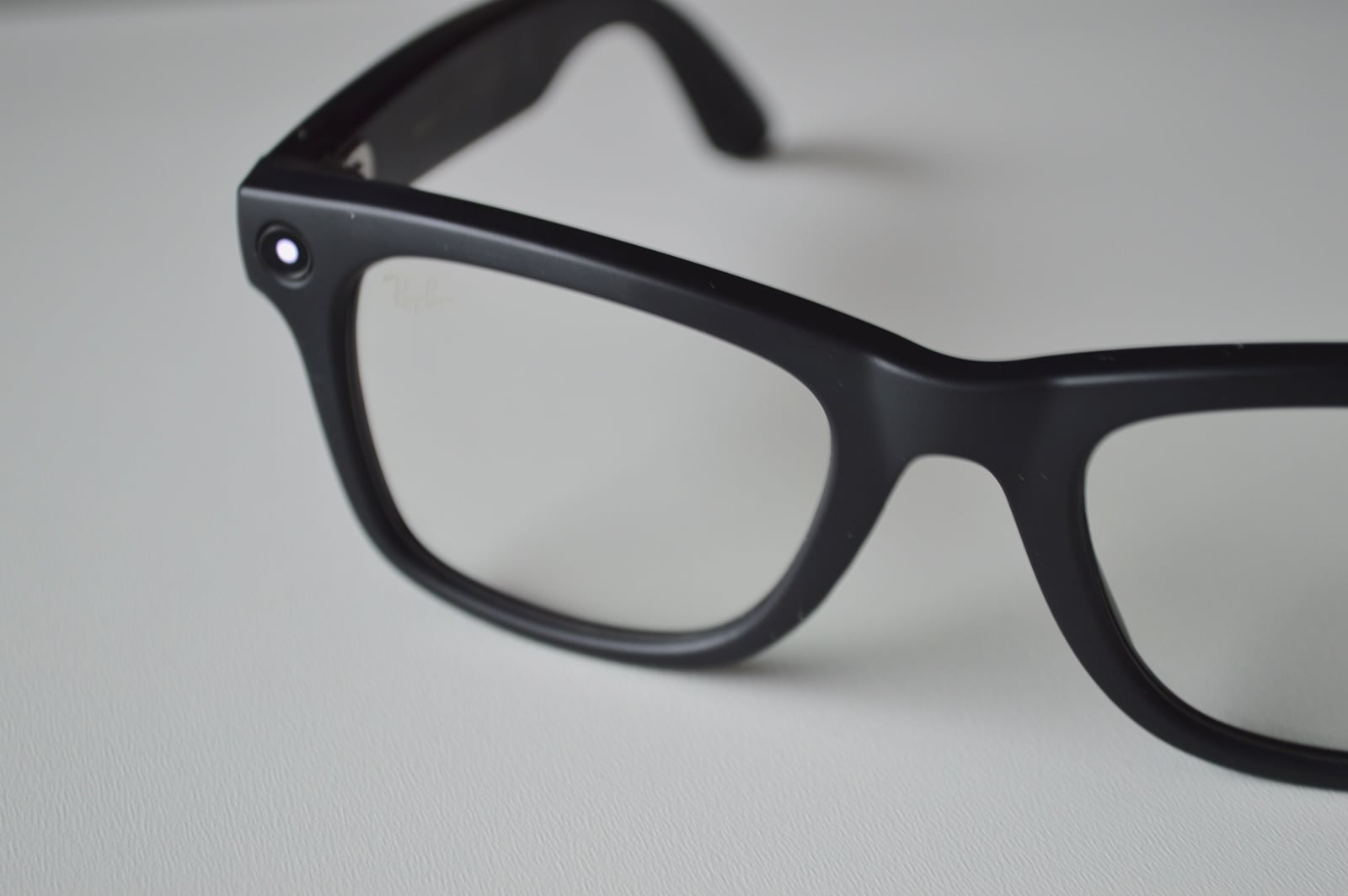
Apple's long-awaited smart glasses are apparently taking longer than expected to arrive: Instead of a unveiling this year, the market launch is now expected at the end of 2027. At the same time, a lighter and cheaper version of the Vision Pro – the Vision Air – is not expected until 2028 or 2029 at the earliest. Both delays paint a picture of a deliberately long-term plan.
Apple has been working on smart glasses for some time now – partly to counter the Meta Ray bans, and partly as a wearable platform for Apple Intelligence. The latest information fits into the growing rumor mill surrounding Apple Glasses, but significantly pushes back the timeline. This new information comes from a report by Bloomberg journalist Mark Gurman, which concerns two key products.
Market launch not until the end of 2027
The original plan was to unveil the glasses by the end of 2026 and begin shipping them in early 2027. This plan is now obsolete: According to the report, Apple needs about a year more and is now aiming for a market launch by the end of 2027. Internally, the project is codenamed N50.
The fact that the first generation was already expected by the end of 2026 makes the delay all the more apparent. The growing pressure from Meta's successful smart glasses remains unaffected – on the contrary, it is likely to further increase expectations for Apple's entry.
Why Apple needs more time
The delay is primarily due to software issues. While the revamped Siri is still expected to be released this year, Apple's visual AI technology is considered a bigger problem area. It simply might not reach the necessary level by the end of 2026 – and Apple clearly wants to avoid an immature product at all costs.
This is crucial because the glasses are primarily intended as a hardware platform for Apple Intelligence. While their functionality is expected to expand over time, at launch, the glasses' appeal depends significantly on the performance of the underlying AI.
Striking design, big plans
Apple is clearly aiming for a distinctive design. The first generation of its glasses is expected to boast striking features – including oval-shaped cameras, unusual colors, and multiple frame options. Details have previously surfaced about how the glasses could be operated via gesture control and with multiple cameras.
In the long term, Apple's ambitions extend far beyond a camera frame. According to the report, the glasses could evolve into a health device and later even integrate augmented reality functions that improve users' vision. Behind this lies a huge market: Apple sees the opportunity to reach billions of people who already rely on corrective lenses, wear sunglasses, or use glasses as a fashion accessory. This is precisely why it seems understandable that the company is taking more time for fine-tuning.
Vision Air is expected to follow in 2028 or 2029
Alongside the glasses, there's news about a second device. A slimmer and lighter version of the Vision Pro – internally referred to as the Vision Air – was previously thought to be scrapped in favor of these smart glasses. Now, it's reported that Apple is once again investing resources in its development – and, fittingly, work on the Vision line continues despite the restructuring.
According to the report, a market launch is not expected before the end of 2028 or 2029. The Vision Air is intended to succeed the $3,499 Vision Pro. However, Apple must first resolve the design and pricing issues that led to the first Vision Pro's failure; until then, the entire category remains largely on hold. Nothing new beyond the current Vision Pro with the M5 chip is therefore not in sight for the time being. For context: The first Vision Pro was unveiled approximately three years ago at WWDC 2023.
A bet on the next big thing
It's striking that Apple prefers to invest additional time in both products rather than risk an unfinished launch. The eyewear market boasts a potentially enormous user base, and a weak first impression – like that of the Vision Pro – would be costly. The delay thus seems less like a setback and more like a conscious decision to enter the smart glasses market not hastily, but with the right product.
Until then, the most intriguing question remains whether Apple's AI will reach the level in time that makes such glasses truly useful. Because this software will determine whether the ambitious plan ultimately becomes more than just another niche device. (Image: Shutterstock / TannySolt)
- New Beats headphones appear on Lamine Yamal
- Apple Music: Is a cheaper subscription on the horizon?
- iPhone 18 Pro: New camera costs Apple 50 percent more
- iPhone 18 Pro: Four colors shown for the first time on a dummy
- Apple and Google: New details about the AI technology behind Siri
- iOS 27: Leak reveals the new Siri and a redesigned camera app
- Black Vision Pro components reappear online
- Android manufacturers want to copy Apple's split launch
- Apple Watch: Glucose project gets a new project leader
- iOS 27: The WWDC logo reveals the final Siri colors
- Titanium returns to the iPhone Pro? A second leaker dampens expectations
- iPhone Ultra: New production problems in pre-production
- watchOS 27 improves heart rate measurement – AI health coach delayed
- iOS 27 raises Genmoji and Image Playground to a new level of quality
- iOS 27 opens up to Google Cast and other streaming protocols
- iOS 27 cleans up the AirPods menu in Settings
- iPhone 18 Pro: Clear case fix and possible new colors
- iPhone 2027: Prototype with fully curved display undergoing testing