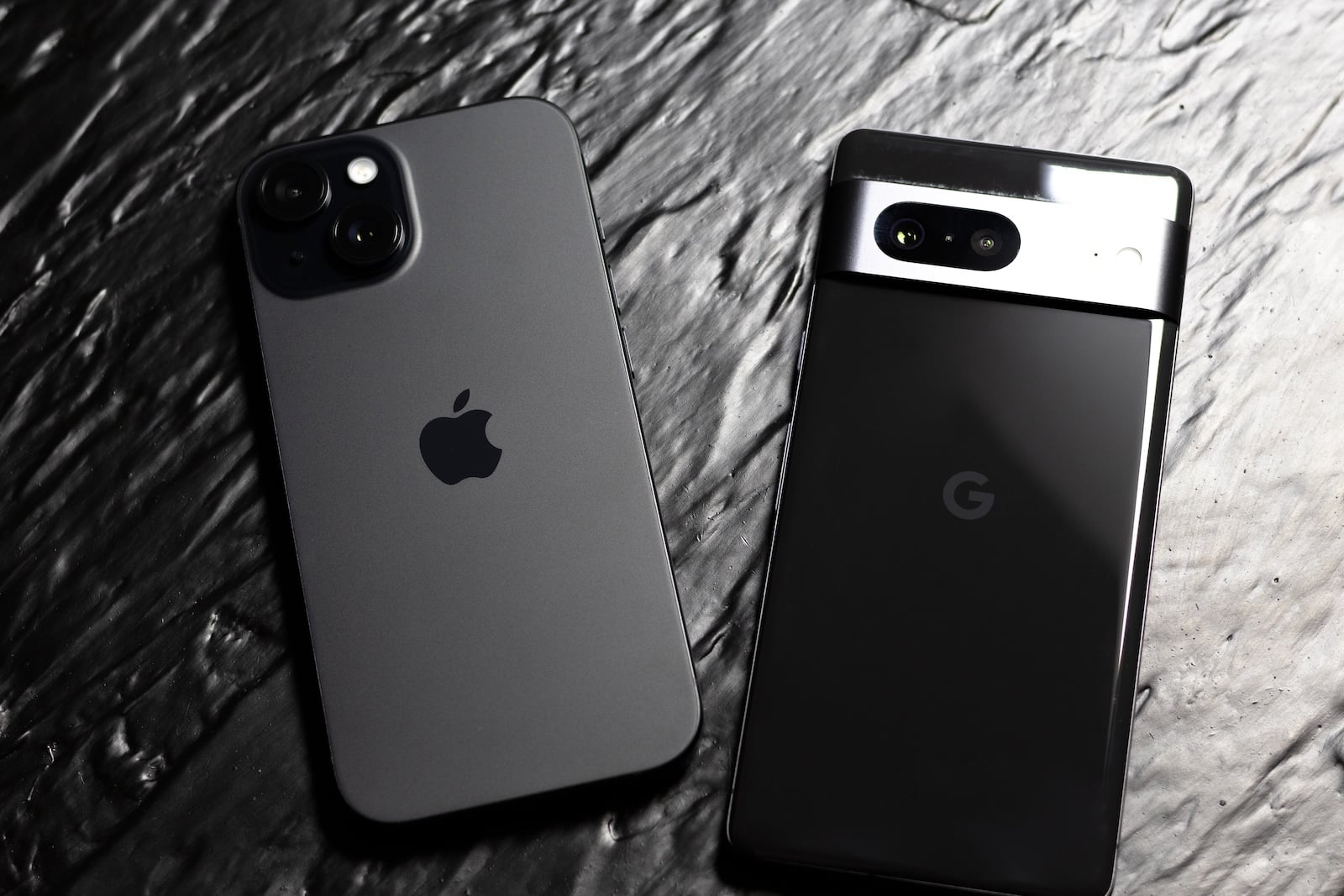
Apple's plan to split its iPhone lineup into two release windows has apparently caught on. A Chinese leaker reports that several Android brands are preparing a similar strategy – purely for competitive reasons.
With the iPhone 18, Apple is changing its annual release cycle for the first time in over a decade. Instead of launching the entire lineup in September, Apple is spreading the iPhone 18 generation across two separate launch windows. Now it appears that other manufacturers intend to follow suit. Weibo leaker Digital Chat Station reports on a planned strategy change in the Android camp, which is said to closely mirror Apple's model.
What the new Weibo post specifically says
Digital Chat Station's latest post is clear: Android could "repeat this move." According to the post, Pro and standard models will no longer be released simultaneously, but in two separate windows. The goal is to directly challenge Apple across its entire product range.
The reasoning behind this is noteworthy. The leaker explicitly states that Android manufacturers want to "comprehensively benchmark" Apple. This makes it clear that the motive is not logistical, but rather competitive. The separate releases are apparently intended to increase the marketing impact of each model class and simultaneously intensify the pressure on Apple, which itself introduced this strategy.
What Apple's division looks like in detail
The background to this discussion is Apple's specific plan for 2026 and 2027. The iPhone 18 Pro, the iPhone 18 Pro Max, and the first foldable iPhone – possibly under the Ultra label – are slated for release in fall 2026. The standard iPhone 18, the iPhone 18e, and the iPhone Air 2 will follow in spring 2027.
This division results in a permanent two-event model. The transition to semi-annual iPhone releases not only changes the release cycle but also the marketing: In the fall, the premium devices take center stage, while in the spring, the higher-volume models get their own dedicated window. Previously, all models had to share the spotlight in September.
Two lines of explanation for Apple's move
The reasons for Apple's strategic shift are weighted differently in several supply chain reports. Digital Chat Station points to supply pressures for memory chips and 2-nanometer manufacturing. The same explanation appeared in a report from Asia in early 2026. That report also mentioned a clearly commercial motive: Apple wants to maximize sales of the more expensive models before the cheaper versions reach the market.
Ming-Chi Kuo and The Information also support the split-launch plan. Kuo cites two key arguments. First, with a lineup growing to as many as six devices, simultaneous marketing activities would lose their effectiveness - Apple itself speaks of "diluted marketing efforts." Second, Chinese Android brands traditionally launch their flagship devices in the first half of the year, a period during which Apple has so far only had older iPhone models available.
Strategic pressure in both directions
This is precisely where the connection to the recent Weibo report comes in. Apple's spring launch fills a marketing gap in the first half of the year and positions itself directly against Chinese Android competitors. If these competitors, in turn, stagger their launches, Apple's unilateral initiative could become a new industry pattern.
This wouldn't be trivial for manufacturers. Double launch phases require separate marketing logistics, dedicated PR phases for each model group, and a supply chain capable of handling two major launches per year. On the other hand, it opens up two sales surges instead of just one – an argument that has apparently already convinced Apple and is likely to attract Android brands as well.
What else is at stake with the iPhone Ultra
A specific trigger for Apple's move lies in the expected price level of the foldable iPhone. According to reports, the model is expected to break the $2,000 mark – a simultaneously released $799 iPhone would divert attention. This is precisely why the premium segment will get an exclusive showcase in the fall of 2026, as the current rumor roundup for the iPhone 18 also shows.
Android manufacturers are likely considering similar issues. Anyone wanting to push a premium foldable across all marketing channels can't do so with three or four parallel standard launches in the same week. In that sense, adopting Apple's model is less a copy and more a structural response to the same problem: too many devices in too short a time.
A strategy becomes the industry model
Should Digital Chat Station's prediction prove true, Apple's split launch would transform from an exception to the new industry standard within a few months. The report doesn't specify exactly when or which Android brands will follow suit. However, it's clear that Apple has struck a chord with this move – not only internally, but also with its entire competition.
How quickly the transition actually happens will likely become clear in the spring lineups of Chinese manufacturers next year. Apple's own test case begins in autumn 2026 – and the competition is watching very closely. (Image: Shutterstock / Only_NewPhoto)
- Apple Watch: Glucose project gets a new project leader
- iOS 27: The WWDC logo reveals the final Siri colors
- Titanium returns to the iPhone Pro? A second leaker dampens expectations
- iPhone Ultra: New production problems in pre-production
- watchOS 27 improves heart rate measurement – AI health coach delayed
- iOS 27 raises Genmoji and Image Playground to a new level of quality
- iOS 27 opens up to Google Cast and other streaming protocols
- iOS 27 cleans up the AirPods menu in Settings
- iPhone 18 Pro: Clear case fix and possible new colors
- iPhone 2027: Prototype with fully curved display undergoing testing
- MacBook Ultra: OLED production reaches "Golden Yield"
- Srouji is restructuring Apple's product development
- iPad Fold is expected to inherit the hinge design from the iPhone Ultra
- iOS 27: Grammar check, voice shortcuts and new wallpaper options
- Titanium comeback in the iPhone: Apple is apparently researching an improved alloy
- Apple Watch Ultra 4: Complete redesign and major sensor leap expected
- Apple Watch: New high blood pressure feature is currently under review by the FDA
- iPhone Ultra: Hinge problem slows down trial production
- Apple Watch Series 12 is likely to be just a minor update