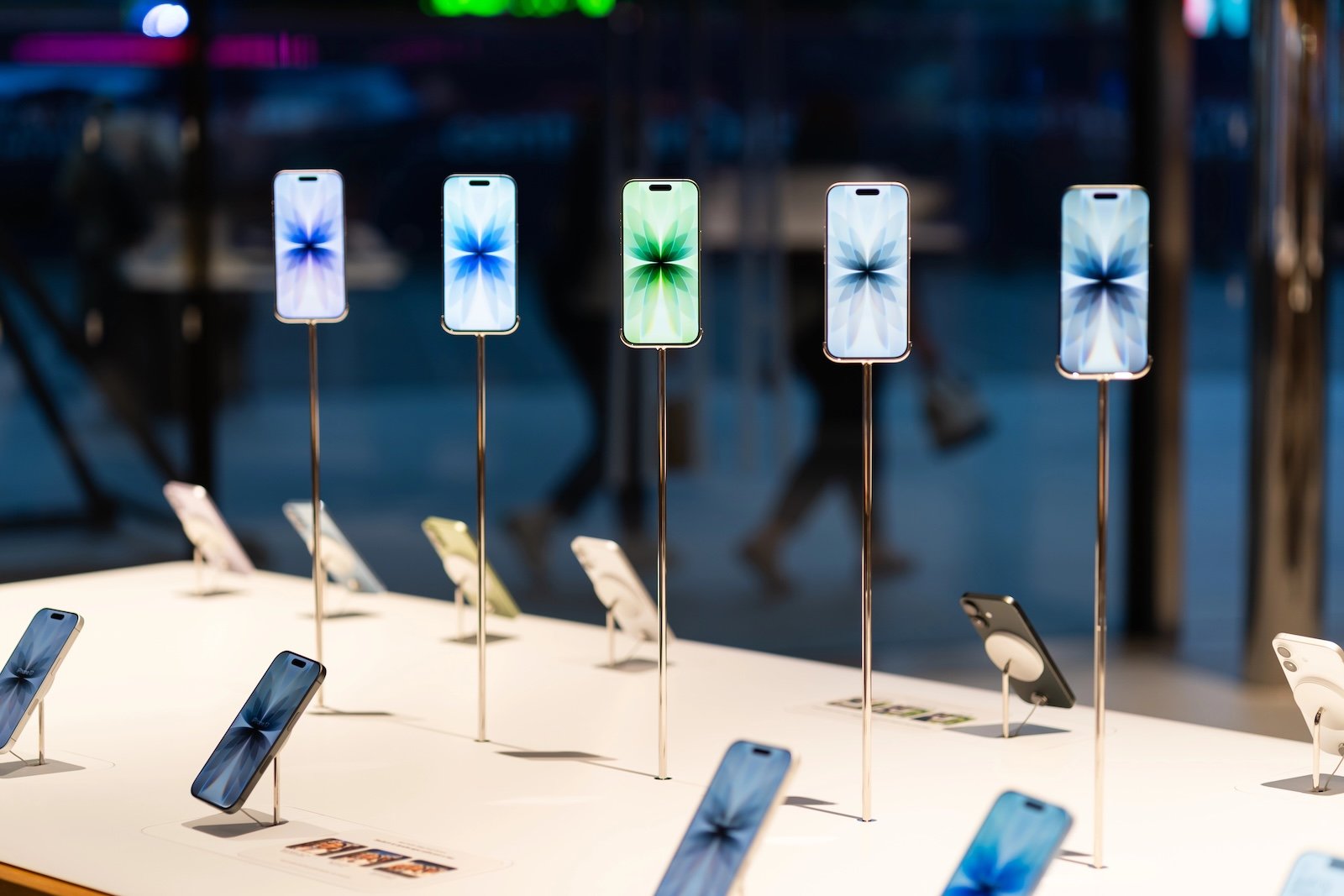
The iPhone 18 is expected to be released later than anticipated. Several reports suggest that Apple will not launch a new standard iPhone in 2026. This could mean that for the first time in over ten years, a full annual cycle will pass without a new entry-level model. This development points to a major strategic shift that fundamentally alters the previous release schedule.
For more than a decade, Apple has followed a consistent pattern. New iPhones are unveiled every fall, usually in September, and all core models are released simultaneously. This principle was considered set in stone. Despite the strong success of the iPhone 17 in 2025, this system now appears to be breaking with tradition. The iPhone 18 plays a central role in this, as it is apparently being deliberately removed from the classic release schedule.
Why there won't be an iPhone 18 in 2026
According to recent reports, Apple is not planning to release a standard iPhone 18 model in 2026. Instead, the iPhone 17 is expected to remain the latest regular model for approximately 18 months. If this proves true, it would be the first time Apple has skipped an entire calendar year without a new non-Pro iPhone.
The iPhone 18 is reportedly not expected to be released until spring 2027. This would significantly lengthen the gap between two generations and break the current annual release cycle for the first time.
Change to the previous publication cycle
The decision to forgo an iPhone 18 in 2026 is apparently related to a planned restructuring of iPhone launches. Instead of presenting all models simultaneously in the fall, Apple intends to split the product range into two time windows in the future.
According to this model, the high-end devices are still expected to be released in the fall. These include the iPhone 18 Pro, the iPhone 18 Pro Max, and the anticipated foldable iPhone. The standard and more affordable models, however, are expected to be postponed until the following spring. Specifically, this means that the iPhone 18 will not be part of the fall 2026 lineup, but will be released months later.
Joint market launch in spring 2027
The standard iPhone 18 is expected to launch in spring 2027, along with other models. These include the iPhone 18e and the iPhone Air 2. This bundled release is intended to give the devices their own sales window and clearly differentiate them from the Pro models, which will be available the previous fall.
This temporal separation means that new models compete less directly with each other, which simplifies both positioning and marketing.
Growing model diversity as a key factor
A key reason for the iPhone 18's delay is the ever-expanding iPhone product line. Apple already introduced new series in 2025 with the iPhone 16e and the iPhone Air. The first foldable iPhone is also expected in 2026. At the same time, older devices like the iPhone 16 and iPhone 16 Plus will remain on sale.
By the end of 2026, at least eight different iPhone models could be available simultaneously. A staggered release plan helps to keep this multitude of devices manageable and reduce internal competition between new models.
Advantages for production, logistics and sales distribution
From a supply chain perspective, there are also several arguments in favor of postponing the iPhone 18. Analysts believe that staggering the release will allow Apple to avoid production bottlenecks. Manufacturing complex components can be planned more effectively, especially with new technologies.
Furthermore, Apple could manage component deliveries more efficiently and distribute revenue more evenly across multiple fiscal quarters. Instead of concentrating a large portion of iPhone sales in the fall, revenue would be spread more throughout the year.
The iPhone 18 as a sign of a change in strategy
The iPhone 18 is symbolic of a potential strategic shift at Apple. Should the standard model actually not be released until spring 2027, it would represent a clear break with previous iPhone traditions. The reasons for this lie in the growing model range, more targeted product differentiation, and advantages in production and logistics. For the market, this primarily means that the iPhone 17 will remain current for an unusually long time, while the iPhone 18 will be introduced with a delay but a clearer positioning. The best products for you: Our Amazon storefront offers a wide selection of accessories, including those for HomeKit. (Image: Wongphoto / DepositPhotos.com)
- Apple remains calm on AI and could ultimately win
- iPhone Fold: This is what Apple's first foldable is supposed to look like, according to leaks
- iPhone Air 2: New evidence contradicts previous rumors
- The iPhone 18 will be the first to feature camera sensors manufactured in the US
- iPhone Fold: Apple continues testing a fold-free display
- iPhone 18: Test production is expected to start as early as February
- iPhone Fold could be in short supply due to production problems
- Apple is working on a 24-inch iMac with an OLED display
- iPhone Air 2: Apple plans comeback with a better concept
- Apple is considering chip assembly for iPhones in India for the first time
- HomePod mini 2: New clues dampen hopes for N1
- iPhone Fold: iPad aspect ratio in smartphone format
- The iPhone 17e brings back MagSafe and is significantly improved
- Apple is developing eight iPhone models for the years 2026–2027
- Apple leak reveals iMac Pro with M5 Max and new Macs
- iPad mini 8: New leaks suggest a major upgrade
- Apple has a clear roadmap to a true full-screen iPhone
- iPhone Fold: Leak reveals technology, camera and hinge
- iPhone with all-screen display is getting closer to mass production
- iPhone 18 Pro: New leaks reveal major advancements in Face ID
- Apple and the possible departure of hardware chief Johny Srouji
- Apple will rely on Intel for parts of its chip manufacturing in the future
- ChatGPT under pressure: OpenAI accelerates the GPT-5.2 release
- iPhone Fold: eSIM focus clashes with China's SIM habits
- Apple: Report provides new scenarios for CEO succession