
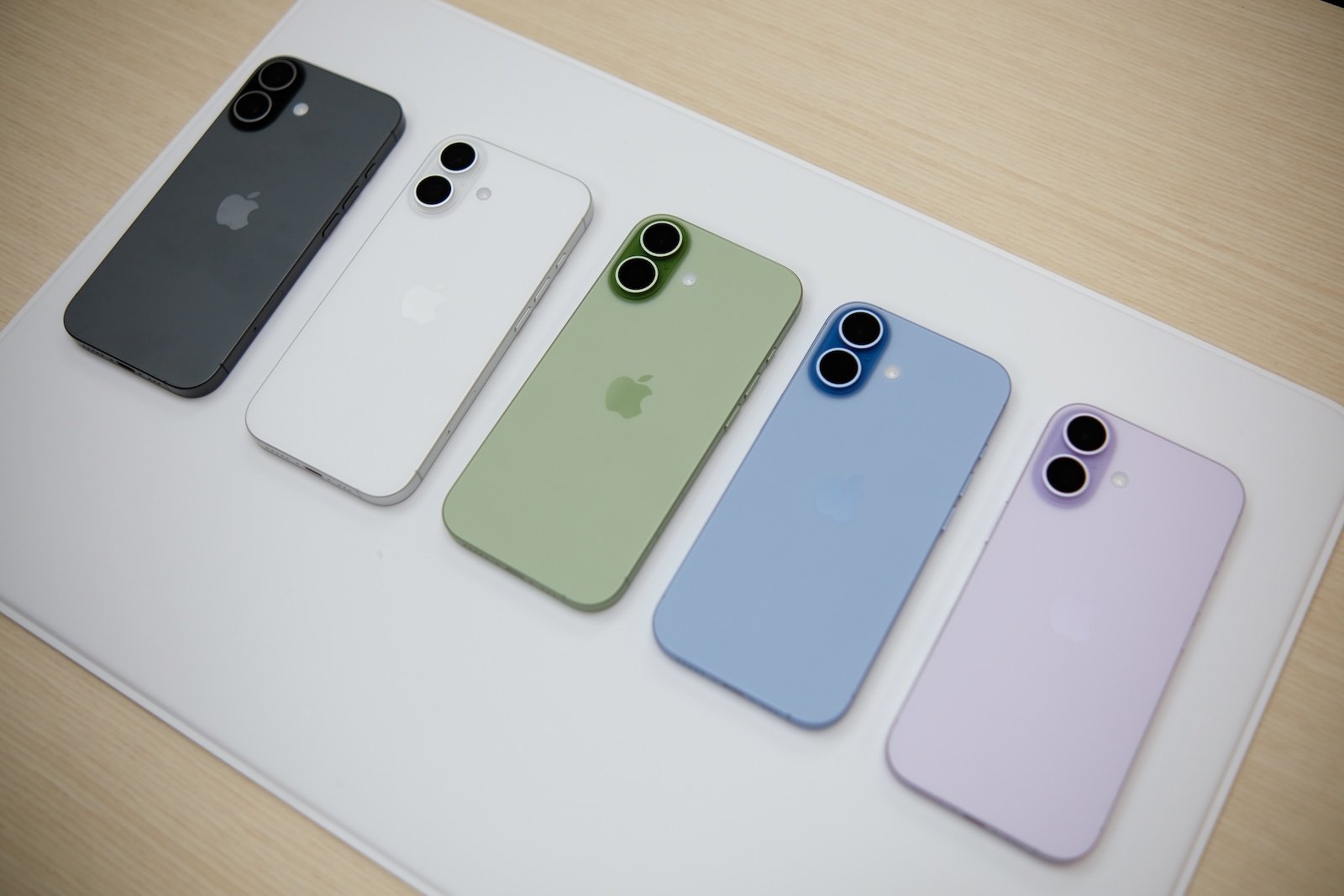
The iPhone 18 is poised to represent a significant technological and strategic step. Apple is apparently planning to use a new camera sensor for the first time, one that not only breaks new ground technically but will also be manufactured in the USA. Reports indicate that Samsung will handle the production of a particularly advanced image sensor, specifically designed for the iPhone 18, which could be used from 2027 onwards.
The camera has been one of the iPhone's key selling points for years. Accordingly, any changes to sensor technology or suppliers attract considerable attention. With the iPhone 18, several factors converge: a new manufacturing process, an additional supplier alongside Sony, and production directly in Texas. Taken together, this suggests a more significant shift that goes beyond a simple camera upgrade.
Samsung plans sensor production in Austin, Texas
According to a report by The Elec, Samsung plans to supply Apple with advanced image sensors. Production will take place at Samsung's existing factory in Austin. The company plans to install new production equipment there for this purpose.
As part of the preparations, Samsung has already published job postings for mechanical and electrical engineers, engineers, and managers. These specialists will be involved in setting up and operating the new production line. Production is scheduled to start no earlier than March; a specific year has not been mentioned, but it is well before the planned market launch of the iPhone 18.
Billion-dollar investment for new production line
Earlier this month, Samsung informed the Austin City Council of its intention to invest approximately $19 billion in the site. A significant portion of this investment will go toward a new production line for image sensors. This underscores Samsung's long-term commitment to the project and the strategic role of the Texas site within its semiconductor manufacturing operations.
Three-stack design as a technological innovation
The camera sensor intended for the iPhone 18 is said to be based on a so-called three-stack design. This involves stacking multiple sensor layers vertically on top of each other. This design allows for a higher pixel density in the same area and simultaneously improves performance in low-light conditions.
Additionally, the stacked sensor architecture offers faster readout speeds, lower power consumption, and a higher dynamic range. Particularly relevant is the fact that this manufacturing process has not yet been used on a commercial scale. The iPhone 18 could therefore be one of the first products to benefit from this new sensor technology.
Planned for use in the iPhone 18 starting in 2027
According to reports, the new image sensor is intended for the iPhone 18, which is expected to launch in the first half of 2027. Apple is said to have already reached an agreement with Samsung for the supply of this component in August. This suggests that the collaboration is already contractually secured.
Apple is abandoning its single-supplier strategy for the first time
With the iPhone 18, Apple would be deviating for the first time from its previous practice of sourcing image sensors exclusively from Sony. Currently, Sony is the sole supplier of iPhone camera sensors. Production takes place in Japan, and delivery is handled by TSMC.
By bringing Samsung on board as an additional supplier and manufacturing in the US, Apple reduces its dependence on a single partner and a single production country. At the same time, the company strengthens semiconductor manufacturing in the US.
iPhone 18 marks a turning point in Apple's camera strategy
The iPhone 18 could represent not just another camera upgrade, but a fundamental shift. A new, stacked camera sensor, a billion-dollar investment in Texas, and Samsung's involvement as a supplier will significantly alter the existing structure of iPhone camera production. If the timeline is met, the iPhone 18, launching in 2027, will be the first iPhone with a US-made image sensor and a completely new sensor architecture. (Image: Shutterstock / Framesira)
- iPhone Fold: Apple continues testing a fold-free display
- iPhone 18: Test production is expected to start as early as February
- iPhone Fold could be in short supply due to production problems
- Apple is working on a 24-inch iMac with an OLED display
- iPhone Air 2: Apple plans comeback with a better concept
- Apple is considering chip assembly for iPhones in India for the first time
- HomePod mini 2: New clues dampen hopes for N1
- iPhone Fold: iPad aspect ratio in smartphone format
- The iPhone 17e brings back MagSafe and is significantly improved
- Apple is developing eight iPhone models for the years 2026–2027
- Apple leak reveals iMac Pro with M5 Max and new Macs
- iPad mini 8: New leaks suggest a major upgrade
- Apple has a clear roadmap to a true full-screen iPhone
- iPhone Fold: Leak reveals technology, camera and hinge
- iPhone with all-screen display is getting closer to mass production
- iPhone 18 Pro: New leaks reveal major advancements in Face ID
- Apple and the possible departure of hardware chief Johny Srouji
- Apple will rely on Intel for parts of its chip manufacturing in the future
- ChatGPT under pressure: OpenAI accelerates the GPT-5.2 release
- iPhone Fold: eSIM focus clashes with China's SIM habits
- Apple: Report provides new scenarios for CEO succession
- iPhone 17e: Dynamic Island reportedly not planned
- Apple is considering Intel as a second partner for upcoming M-chips
- iPhone 17 dominates Singles Day and surpasses the competition