The market for AI-powered smart glasses is poised for a period of strong growth. New forecasts indicate that the technology could evolve from a niche market to a mass market. Apple Glass is expected to play a key role in this development. According to a recent report by Smart Analytics Global, Apple's anticipated entry into the market will provide a significant boost and considerably accelerate the adoption of smart glasses.
Smart glasses have been considered a potential next step after smartphones and smartwatches for years. However, widespread adoption has been lacking. Reasons for this include immature design, limited everyday usability, and a lack of integration into existing digital ecosystems. The new report from Smart Analytics Global addresses precisely these issues and explains why the situation could change in the coming years.
Strong market growth expected for AI smart glasses
A report by Smart Analytics Global predicts 2026 will be a breakthrough year for AI smart glasses. While global sales were around 6 million units in 2025, this figure is expected to rise to approximately 20 million units sold by 2026. This growth will be driven primarily by advances in artificial intelligence, hardware miniaturization, and new everyday use cases.
The market could develop even more strongly if Apple enters the segment. Analysts describe Apple's expected market entry around 2027 as a potential turning point that could significantly increase acceptance among a broad user base.
Why Apple Glasses are considered a growth engine
Smart Analytics Global identifies three specific strengths that Apple Glasses are expected to use to accelerate market growth.
- Industrial design: Apple has been known for high-quality and functional hardware design for years. Even though the design team has changed following the departure of Jony Ive and other long-time employees, the company's hardware design is still considered strong. For Apple Glasses, it is expected that the technology will be integrated into a classic eyeglass shape as discreetly and practically as possible.
- Fashion appeal: A key problem with earlier smart glasses was their lack of fashionable acceptance. According to the report, Apple is addressing this very issue. Apple Glasses are intended not only to impress technically, but also to function as a wearable accessory. A variety of designs, comfortable fit, and a clear focus on the lifestyle market are considered crucial factors for their success.
- Integration into the Apple ecosystem: The close integration with existing Apple products is seen as one of the greatest advantages. Apple Glasses are designed to integrate seamlessly into the Apple ecosystem and work together with iPhones, iPads, Macs, and other devices. This strategy is already familiar from the Apple Watch and has significantly contributed to its widespread acceptance.
Smart glasses as a complement to the smartphone
Another key finding of the report is the long-term outlook for smart glasses. Smart Analytics Global anticipates that glasses will continue to coexist with smartphones and will not completely replace them. Instead, they are expected to display supplementary information, such as notifications, navigation, or contextual content.
From 2028 onwards, HUD models with integrated heads-up displays are expected to be the best-selling smart glasses. Smart Analytics Global anticipates annual sales of around 75 million smart glasses worldwide by 2030.
Apple Glasses as a potential turning point for the smart glasses market
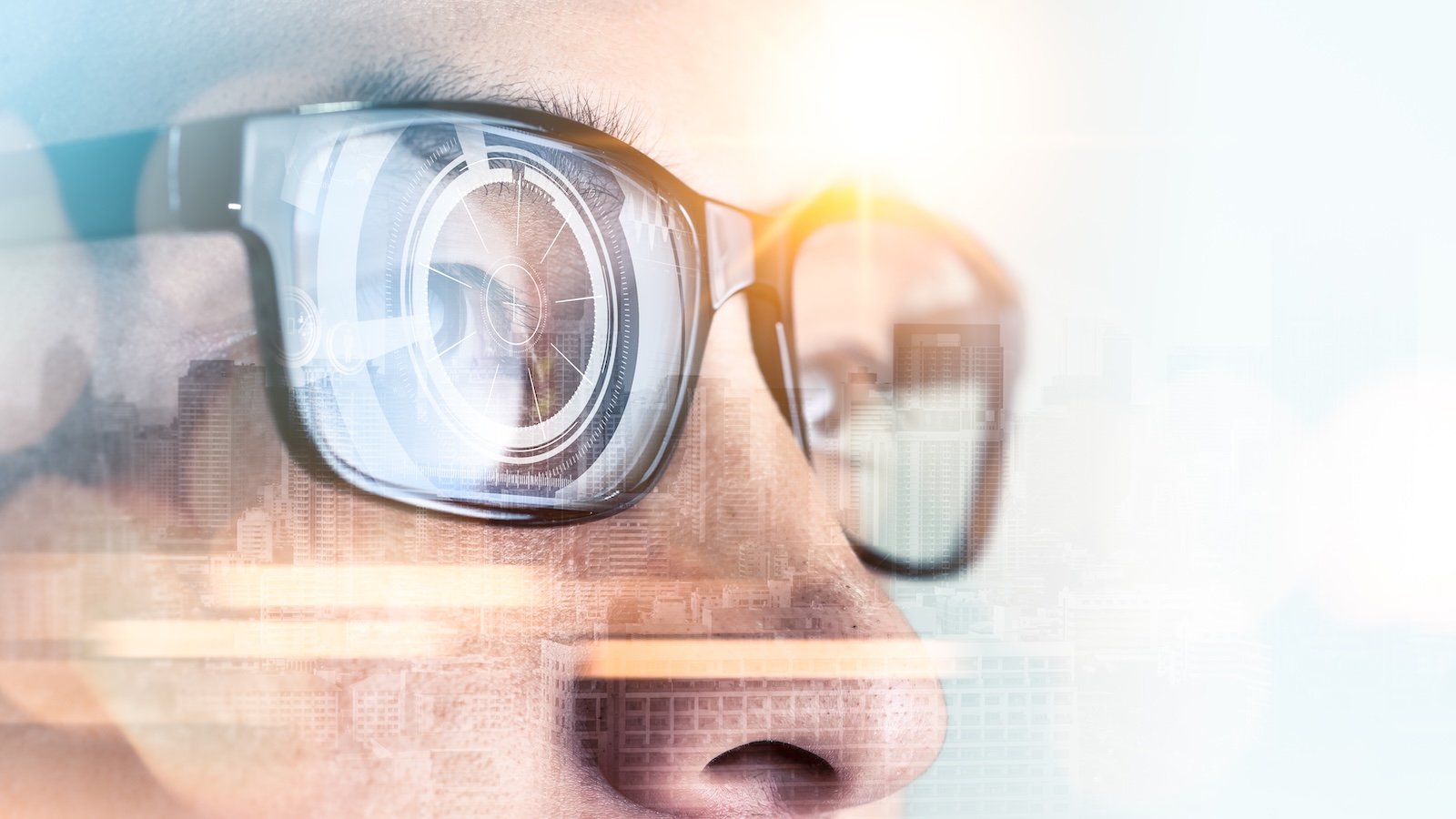
Smart Analytics Global's forecasts clearly indicate that the AI smart glasses market is poised for strong growth. Apple Glasses are seen as a potential key factor accelerating the transition from niche product to mass-market commodity. With its industrial design, fashionable appeal, and deep integration into the Apple ecosystem, Apple possesses precisely the strengths crucial for broad market penetration. Should the market entry proceed as anticipated, Apple Glasses could significantly shape the development of the entire smart glasses market. (Image: Shutterstock / TimeStopper69)
- Apple and AI: Partnership with Google as a transitional solution
- Apple is preparing new AI server chips and data centers
- Apple, AI and TSMC: Why the balance of power is changing
- iPhone 2027: Why the anniversary model will be less radical
- iPhone Fold paves the way for a thinner display in the iPhone Air 2
- iPhone with 200 megapixels? Leaker tempers expectations
- Apple is exploring multispectral imaging for iPhone cameras
- iPhone 18: Apple breaks with its annual release schedule
- iPhone 17e: Mass production is expected to start soon
- Apple remains calm on AI and could ultimately win
- iPhone Fold: This is what Apple's first foldable is supposed to look like, according to leaks
- iPhone 18: This is how expensive Apple's new A20 chip will be
- iPhone Air 2: New evidence contradicts previous rumors
- The iPhone 18 will be the first to feature camera sensors manufactured in the US
- iPhone Fold: Apple continues testing a fold-free display
- iPhone 18: Test production is expected to start as early as February
- iPhone Fold could be in short supply due to production problems
- Apple is working on a 24-inch iMac with an OLED display
- iPhone Air 2: Apple plans comeback with a better concept
- Apple is considering chip assembly for iPhones in India for the first time
- HomePod mini 2: New clues dampen hopes for N1
- iPhone Fold: iPad aspect ratio in smartphone format
- The iPhone 17e brings back MagSafe and is significantly improved
- Apple is developing eight iPhone models for the years 2026–2027