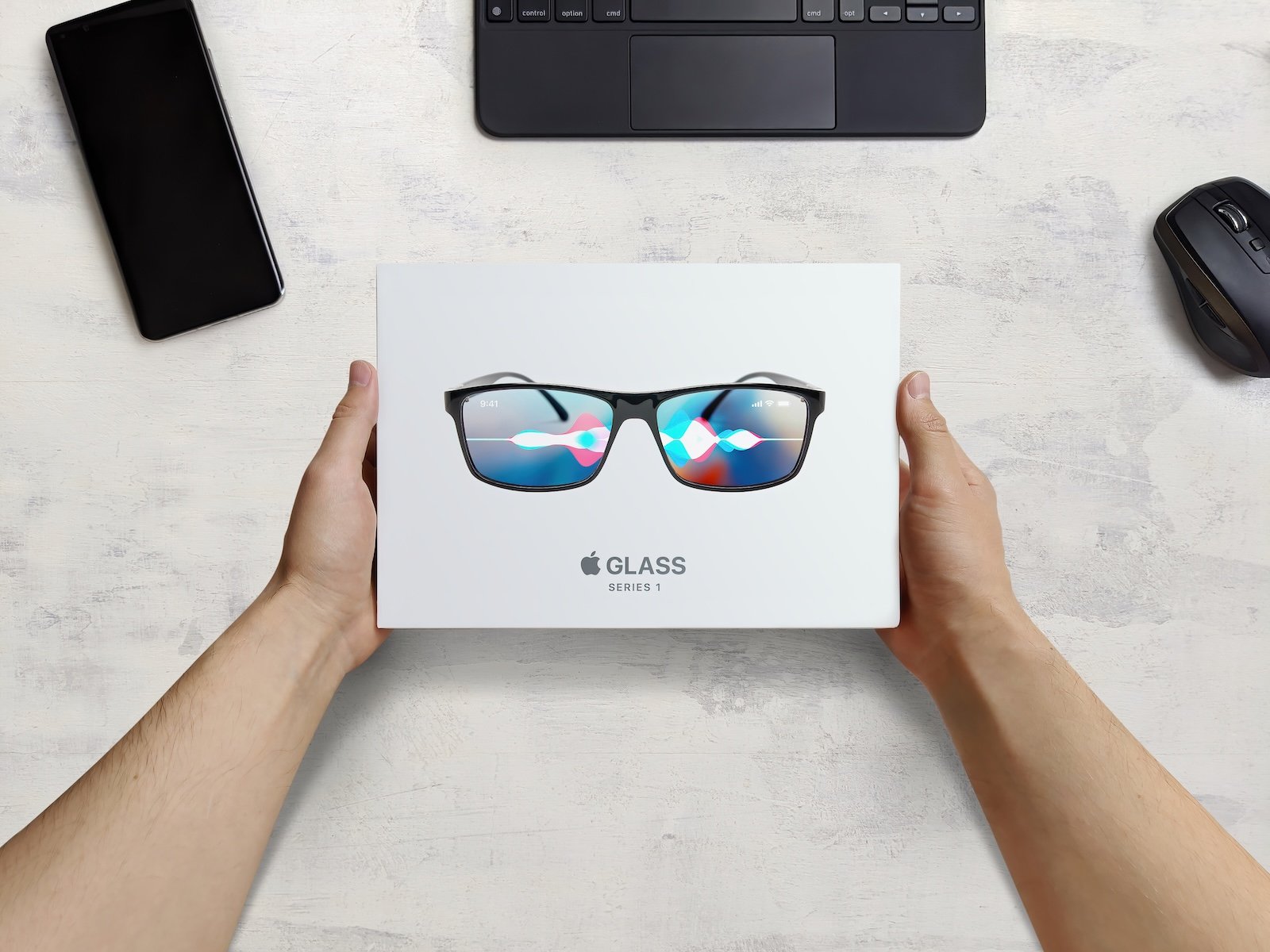
2026 could be a pivotal year for Apple. While the company releases new versions of existing products every year, this time anticipation is growing for a completely new device category. Apple Glasses are the focus of numerous reports and rumors and could expand the Apple lineup with a category that possesses both technical potential and mass-market appeal. The glasses are considered the product likely to garner the most attention in 2026 because Apple could introduce its first AI-centric wearable, meaningfully complementing the existing ecosystem.
The introduction of a new product category is rare for Apple. The Apple Watch and Apple Vision Pro are among the most recent examples. Both were unveiled early, long before they were available for purchase. A similar approach is expected for Apple Glasses. Bloomberg reports that the glasses could be previewed even before their market launch. According to several sources, development is far enough along to make a presentation before the end of 2026 realistic, although an actual market launch might be pushed back to 2027. The increasing focus on AI, the proliferation of smart glasses, and the continued development of compact hardware make Apple Glasses a product that deserves special attention.
A new product category in the Apple range
Apple rarely releases entirely new hardware categories. Apple Glasses are potentially the first device of this kind since Vision Pro. Industry sources suggest a 2026 launch. While the release date isn't officially confirmed, Mizuho Securities indicates that 2027 is the latest possible date if Apple needs more time to finalize design decisions such as the hinge or interaction concept. A sneak preview could take place as early as 2026, as Apple prefers this approach for new product categories.
Why Apple Glasses will receive special attention
Smart glasses are currently a niche market. Models like the Ray-Ban Meta have generated interest, but they haven't yet reached the mainstream. Apple has a long history of strengthening emerging product segments. Devices like the iPod, the iPad, and the Apple Watch were rarely the first in their category, but each significantly shaped it. This same pattern could repeat itself with Apple Glasses.
The glasses are intended to be cheaper and lighter than the Vision Pro, enabling significantly broader everyday use. Their positioning as an iPhone accessory also plays a role, as Apple is expanding a familiar use case rather than building a complex new ecosystem. The mere existence of an Apple product in this category will significantly raise awareness of smart glasses.
Apple Glasses as the company's first AI-centric product
While current Apple devices increasingly integrate AI features, none of them yet use AI as the central interaction model. Apple Glasses aim to change that. Siri is enhanced by extensive Apple Intelligence functions and forms the core of the user interface. Many workflows that are still touch-based on iPhones or Macs could function on Glasses exclusively via voice and context-aware AI analysis.
This approach distinguishes these glasses from previous products that merely use AI functions as a supplement. These glasses represent a device that can only be meaningfully implemented through modern AI technologies. The integration of real-time information, voice control, and situational analysis aims to create a natural, unobtrusive user experience.
Differentiation from Apple Vision Pro
Apple Vision Pro is positioned as a high-end headset and is aimed more at professional users or enthusiasts. The device is expensive, large, and designed for immersive applications. Apple Glasses pursue a different strategy. They are intended to be suitable for everyday use, lighter, and better suited for quick interactions. Unlike Vision Pro, Glasses do not focus on virtual environments, but rather on compact, AI-powered support in everyday life. The glasses are designed as a complement to the iPhone, similar to how the Apple Watch was conceived at its launch.
Why the timing is right for Apple Glasses
Several technological and societal developments are paving the way for the introduction of smart glasses. AI is playing an increasingly important role in everyday life. Wearables are becoming smaller and more powerful. Users prefer devices that work in the background and require as little attention as possible. Apple Glasses perfectly embody this need. The combination of advancements in microhardware, improved AI processing, and new usage concepts makes it realistic that Apple can offer functional, lightweight, and mass-market smart glasses.
Potential impact on the market
The launch alone will likely transform the smart glasses market more than any previous model. Even if Apple Glasses fail to achieve immediate success, public interest in this product category is growing. Companies often look to Apple for guidance when entering new segments. A similar effect was observed with the iPad and Apple Watch, which motivated competitors to invest more heavily in these areas.
Apple Glasses as a potential game changer in 2026
Apple Glasses have the potential to become one of the most significant devices of 2026. The glasses combine several factors that make them one of the most exciting projects in Apple's portfolio: a new product category, a clear commitment to AI, a potential step towards the mainstream for smart glasses, and an accessory that meaningfully complements the iPhone. Whether the market launch actually takes place in 2026 or is postponed to 2027 will be decided in the coming months. However, it's clear that Apple Glasses are already among the most discussed devices and deserve the attention they are currently receiving. The glasses' ultimate success depends on the price, everyday usability, and the quality of the AI functions. The potential is enormous, and expectations for Apple are correspondingly high. The best products for you: Our Amazon storefront offers a wide selection of accessories, including those for HomeKit. (Image: Shutterstock / Mr.Mikla)
- MacBook innovations 2026: Three models launch at the beginning of the year
- iOS 27 in detail: New services, AI and focus on stability
- Apple in January 2026: These products and updates are coming
- iPad Air 2026: All the information on technology, design and release
- Apple TV 4K: All the rumors about the big 2026 update
- Apple 2026: An overview of all new devices, leaks, and dates
- Apple 2025: How broad and strong the product year was
- iPhone Fold: These features set new standards in the market
- iPad 12: Details on design, hardware, and the planned launch
- iPad mini 8: Big changes for the small Apple tablet
- Apple launches major Mac offensive in 2026 with new chips
- iPhone 18 Pro: How Apple is further developing the Pro series
- Can Apple's A18 budget MacBook compete in the market?
- Apple TV Hits 2026: These are the releases you shouldn't miss
- Apple's AI strategy: Why the crisis is smaller than expected
- iPhone Fold: Why the outer display is much smaller
- Apple Glasses as a technical intermediate step towards AR glasses
- Apple 2026: Up to 25 new products – here's what to expect
- iOS 26.3: Here's what we know about the release date and content
- Apple iPad Roadmap 2026: These models are planned
- AirPods Pro: Apple plans major changes for 2026
- Buy an iMac or wait: What upcoming models should offer
- Apple Products 2026-2027: Leaks about iPhones, Macs and more
- iPhone Fold: New detail makes a high starting price more likely
- iPhone 18: Apple turns its iPhone strategy on its head