
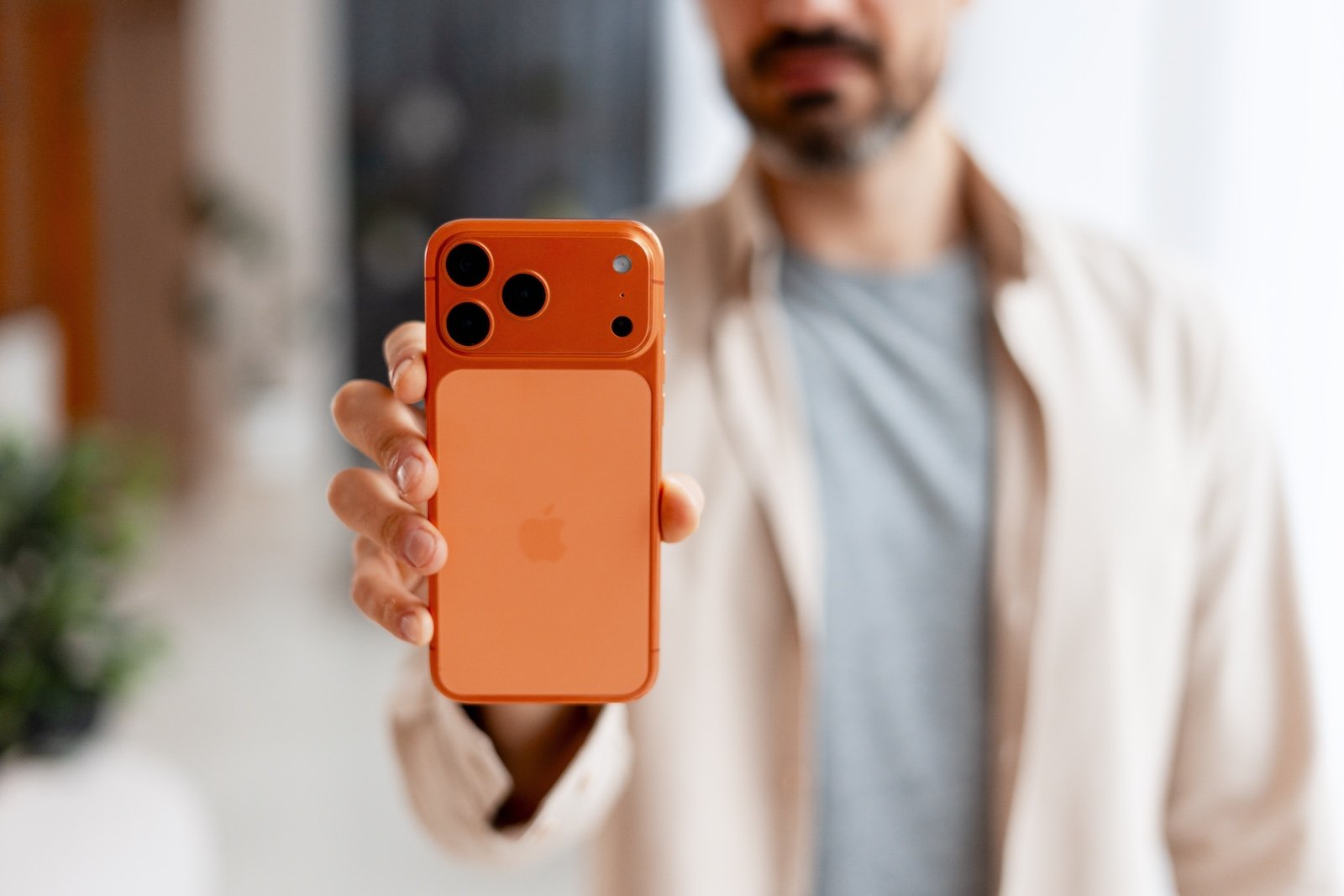
The iPhone 18 Pro is shaping up to be one of the most important updates in years. Many of the planned innovations are already known through reliable leaks. The release cycle is shifting, the design is being refined, the technology is being taken to a new level, and several systems are being fundamentally overhauled.
Apple develops iPhones with a long-term perspective, often working on several generations simultaneously. This leads to early indications of upcoming models. A broad picture already exists of the iPhone 18 series. The Pro models will be released in September 2026, alongside the highly anticipated iPhone Fold. The standard iPhone 18 and iPhone 18e models will follow in spring 2027. This two-stage approach demonstrates Apple's intention to differentiate the Pro series more clearly from the base devices. The following points describe all known changes and planned features that will distinguish the iPhone 18 Pro.
Further developed design in the style of the iPhone 17 Pro
The iPhone 18 Pro's external design closely resembles the iPhone 17 Pro. The plateau camera unit retains its triangular triple-lens arrangement. The display sizes also remain unchanged at 6.3 inches for the Pro and 6.9 inches for the Pro Max, mirroring the dimensions of the iPhone 16 Pro series. One significant change concerns the back. Apple has revised the glass replacement process to reduce the color difference between the Ceramic Shield 2 and the aluminum frame. This results in a more uniform and refined appearance for the casing.
Thicker casing and potentially larger battery
The iPhone 18 Pro Max is expected to be slightly thicker and weigh around 243 grams. This would make it about three grams heavier than the current top-of-the-line model, the iPhone 14 Pro Max. The reason for the increased weight is still speculative. A larger battery is the most likely explanation, as more volume generally translates to longer battery life.
Smaller Dynamic Island and no Face ID under the display yet
The shape of the Dynamic Island is changing again. Various sources report a smaller Dynamic Island that takes up less space and gives the display a more modern look. It remains unclear whether Face ID will actually move under the display. Some analysts consider it possible, while others point to delays. The current consensus is that the iPhone 18 Pro will have a slimmer Dynamic Island, but not yet a completely invisible Face ID. Apple is simultaneously testing new miniaturization techniques for the front camera to make it even smaller.
A20 Pro chip built on a 2 nm process
The new A20 chip is based on TSMC's 2nm manufacturing process. This leap increases transistor density, boosts performance by approximately 15 percent, and improves energy efficiency by around 30 percent compared to the A19. WMCM technology ensures that RAM sits directly on the same wafer as the CPU, GPU, and Neural Engine. This results in faster communication between components and lower power consumption. Particularly computationally intensive tasks like Apple Intelligence benefit noticeably from this.
Proprietary C2 modem instead of Qualcomm
Apple aims to further reduce its reliance on Qualcomm and is using its own C2 modem in the iPhone 18 Pro. This replaces the previous C1 and C1X. The C2 is designed to be faster, more energy-efficient, and finally support mmWave 5G in the US. This improves network quality and enables deeper optimizations between the modem and the operating system.
Samsung's new three-layer camera sensor
For the first time, Samsung could be used as an image sensor supplier. The developed PD TR Logic sensor consists of three circuit layers. This structure reduces noise, improves the dynamic range, and makes the camera more responsive. This would be a major step for Apple, as Sony has been the exclusive sensor supplier until now.
Variable aperture in DSLR style
The main camera of the iPhone 18 Pro models is expected to feature a variable aperture for the first time. Previous iPhones always used a fixed aperture of f/1.78. A variable aperture allows the amount of light to be adjusted. This results in brighter photos in low light and deeper depth of field in bright light. This approach brings the camera closer to classic DSLR systems.
5G Satellite Internet
Apple is planning to support 5G networks via satellite. This would enable more than just the familiar emergency use feature. The iPhone 18 Pro could potentially use true internet connections via satellite. It's still unclear which service will provide the infrastructure. While the partnership with Globalstar continues, a fully-fledged 5G satellite service doesn't yet exist. Nevertheless, this feature would be a significant step forward for use outside of traditional network coverage.
Revised camera control button
The camera control button is being simplified. Instead of a combination of capacitive and pressure sensors, Apple will now rely solely on pressure sensors. All functions remain fully intact. The simplified design is intended to reduce costs and make repairs less complicated.
New colors in the testing phase
Apple is currently testing three new colors: burgundy, brown, and violet. Burgundy would be new to the Pro line. Brown has never been available on iPhones before. Violet is reminiscent of successful colors from previous Pro models. It hasn't yet been revealed which of the three will go into final production.
The complete iPhone 18 Pro package at a glance
The iPhone 18 Pro combines a range of technological advancements with targeted design refinements. The smaller Dynamic Island, the powerful A20 chip, the in-house modem, the new Samsung sensor, and the variable aperture represent the most significant steps forward. These are complemented by potential 5G satellite internet, a redesigned casing, and new colors. The model marks a clear evolution of the Pro series and aligns with Apple's strategy of introducing innovation first in its flagship device category. The iPhone 18 Pro thus sets the tone for the next few years of iPhone development. The best products for you: Our Amazon storefront offers a wide selection of accessories, including those compatible with HomeKit. (Image: Shutterstock / AYO Production)
- Can Apple's A18 budget MacBook compete in the market?
- Apple TV Hits 2026: These are the releases you shouldn't miss
- Apple's AI strategy: Why the crisis is smaller than expected
- iPhone Fold: Why the outer display is much smaller
- Apple Glasses as a technical intermediate step towards AR glasses
- Apple 2026: Up to 25 new products – here's what to expect
- iOS 26.3: Here's what we know about the release date and content
- Apple iPad Roadmap 2026: These models are planned
- AirPods Pro: Apple plans major changes for 2026
- Buy an iMac or wait: What upcoming models should offer
- Apple Products 2026-2027: Leaks about iPhones, Macs and more
- iPhone Fold: New detail makes a high starting price more likely
- iPhone 18: Apple turns its iPhone strategy on its head
- Apple 2026: Good foundation, but AI sets the course
- MacBook at a bargain price: Apple plans new entry-level device
- These new Apple devices could be released as early as 2026
- Apple and the delicate question of its stance in China
- Apple strengthens its AI department and enters a new phase
- Apple TV Highlights for December 2025 at a Glance
- iPhone Fold: Everything about Apple's foldable smartphone of 2026
- Apple in December 2025: All developments at a glance
- iOS 27: Which features is Apple preparing for 2026?
- AirPods Future: How Big Will Apple's Line-up Be in 2026
- Apple is greatly benefiting from Google's progress with Gemini 3
- iPad mini 8: Apple's new speaker design in detail
- iPhone 2027: What Apple is planning for its 20th anniversary