It was considered certain from the start that the iPhone Fold wouldn't be a cheap device. New information from a recent report now suggests that the price could be even higher than previously expected. A rather technical detail from the development phase is coming into focus and provides an important clue as to why Apple might be positioning itself at the upper end of previous price estimates.
Foldable smartphones are generally among the most expensive devices on the market. A look at current Android models clearly shows how high the entry-level prices are, even for relatively simple designs. Flip phones, which are technically less complex than book-style devices, are already priced at the level of current iPhone Pro models.
The Samsung Galaxy Z Flip 7 costs around $1,100, and the Motorola Razr Ultra around $1,300. The iPhone Fold, however, is not a flip phone, but a foldable device in a book format with a large inner display. This class of device is significantly more expensive. The Google Pixel 10 Pro Fold costs around $1,500, while the Samsung Galaxy Z Fold 7 is priced at around $2,000.
Given this context, it seems unrealistic that Apple would offer its first foldable iPhone at a lower price than its direct competitors. It's more likely that the price will be at least on par with, or even higher than, the competition. Previous estimates between $1,800 and $2,500 fit this picture well.
While these figures are official list prices and not promotional offers, discounts on new iPhones are traditionally rare. Apart from long-term mobile contracts, entry-level prices usually remain stable. Therefore, the list prices are a good, realistic guide for the iPhone Fold.
Displays are the biggest cost driver for the iPhone Fold
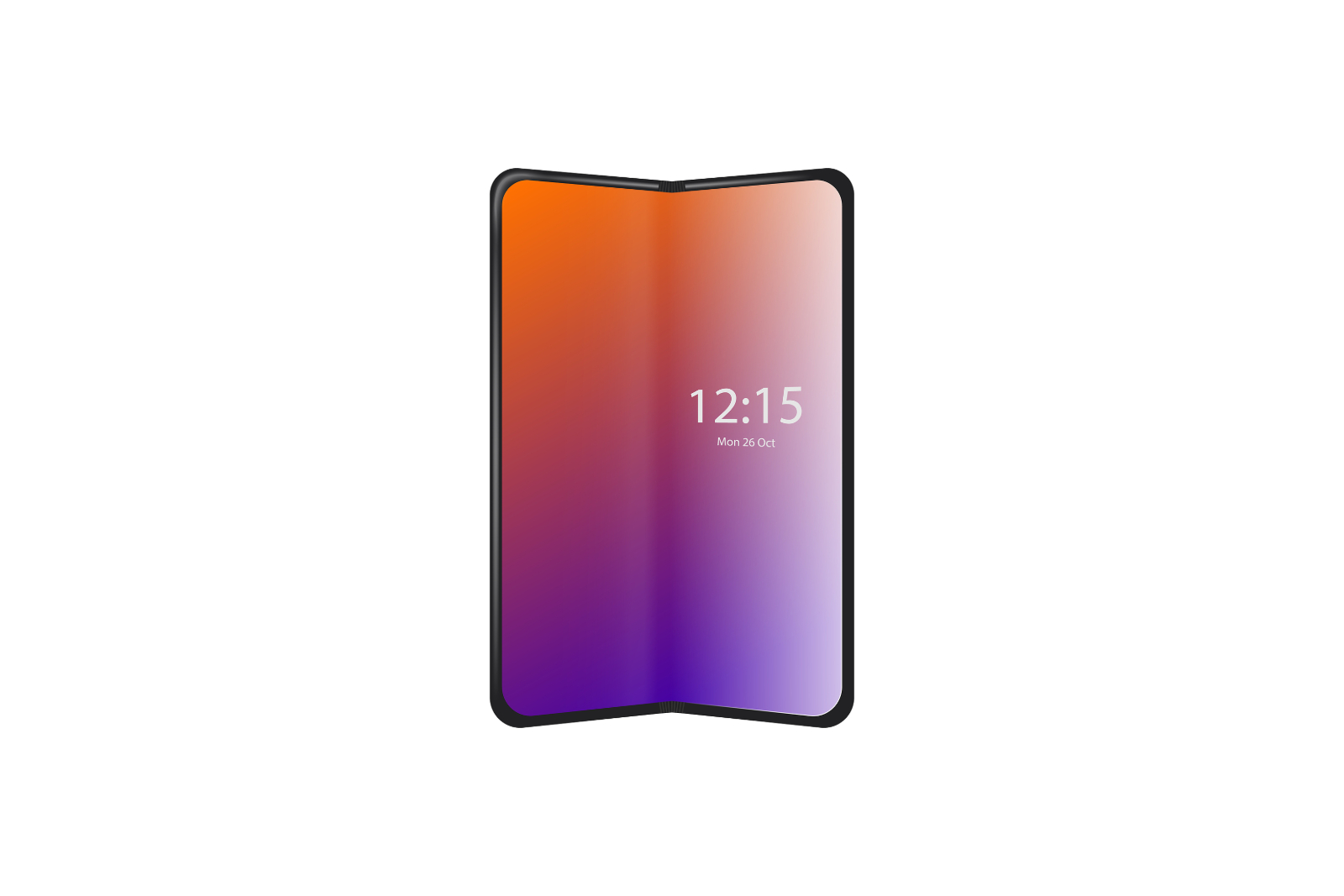
Previous reports have already made it clear that Apple places particularly high demands on the display of the iPhone Fold. Two weaknesses have been criticized in previous Android foldables for years. Firstly, the crease in the display is often clearly visible, and secondly, there are doubts about the long-term durability of the hinge mechanism.
Apple reportedly rejected numerous display samples from Samsung because the crease was too visible when the device was unfolded. Instead of accepting this limitation, the company apparently decided to task its own designers and engineers with further developing the display technology. This approach already suggests that Apple is pursuing a more elaborate, and therefore more expensive, solution than many of its competitors.
A recent report from The Information provides another detail that could explain the high price of the iPhone Fold. According to the report, Apple encountered an unusually high defect rate in the displays during development and testing. The yield is low, meaning that many of the produced panels do not meet internal quality standards.
Apple is known for its extremely stringent component requirements. While the company can sometimes use slightly modified versions of chips, as previous reports of rejected processors have shown, this is hardly possible with displays. If a screen doesn't precisely meet the specifications, it's rejected. Each of these rejections significantly increases the average cost per functional display.
Especially with foldable OLED displays, production is complex and prone to errors. A low yield automatically means higher production costs, even if Apple has already factored this in. This has little impact on the bottom line. The cost per device increases and directly affects the pricing of the iPhone Fold.
Why the high price of the iPhone Fold is almost unavoidable
All available information suggests that the iPhone Fold will likely be one of the most expensive iPhones ever. The combination of its complex design, high quality standards, and display yield issues leaves little room for a moderate price. The display, in particular, is emerging as the main cost driver, pushing the expected price toward the upper end of current estimates.
Apple is following a familiar strategy. Instead of offering a cheaper foldable with compromises, the company is focusing on technical perfection, even if this means higher production costs and a correspondingly higher sales price. The iPhone Fold is therefore less of a mass-market product and more of a premium device for a clearly defined target group. The best products for you: Our Amazon storefront offers a wide selection of accessories, including those for HomeKit. (Photo by sabelskaya / Bigstockphoto)
- iPhone 18: Apple turns its iPhone strategy on its head
- Apple 2026: Good foundation, but AI sets the course
- MacBook at a bargain price: Apple plans new entry-level device
- These new Apple devices could be released as early as 2026
- Apple and the delicate question of its stance in China
- Apple strengthens its AI department and enters a new phase
- Apple TV Highlights for December 2025 at a Glance
- iPhone Fold: Everything about Apple's foldable smartphone of 2026
- Apple in December 2025: All developments at a glance
- iOS 27: Which features is Apple preparing for 2026?
- AirPods Future: How Big Will Apple's Line-up Be in 2026
- Apple is greatly benefiting from Google's progress with Gemini 3
- iPad mini 8: Apple's new speaker design in detail
- iPhone 2027: What Apple is planning for its 20th anniversary
- iOS 26.2 changes Wi-Fi synchronization in the EU – here's why
- M6 MacBook Pro: Everything about release, price and new features
- Apple will again rely more heavily on titanium for the iPhone in 2026
- AirPods Pro: Apple is already working on the next model
- Apple plans to integrate Gemini into Siri
- iOS 26.2: When the update will be released & which features are coming
- Apple is making progress: Will Siri finally become intelligent in 2026?
- iPad mini with OLED: Everything about price, performance and launch