
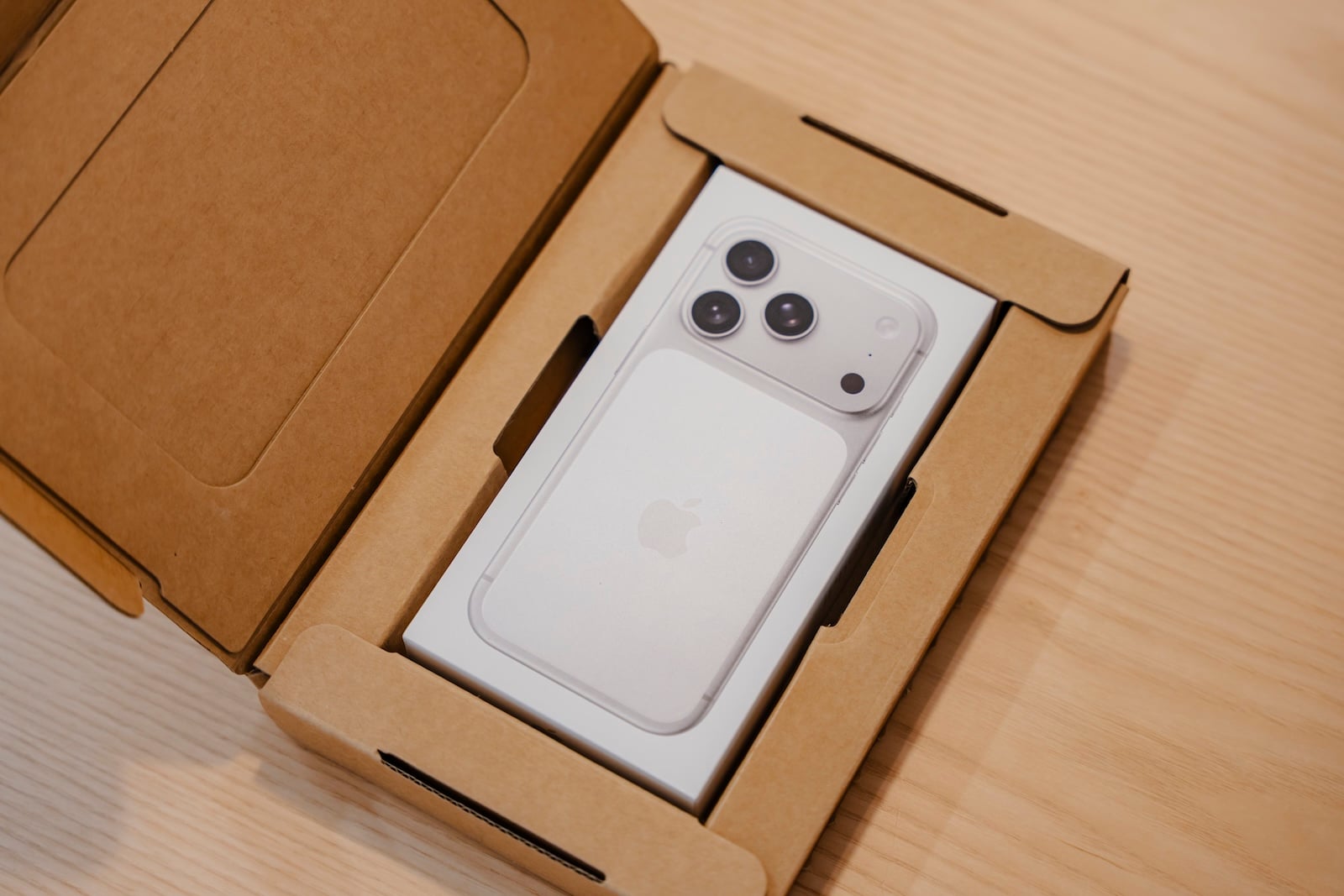
New assessments regarding the price development of the upcoming iPhone 18 Pro have emerged. Despite rising costs for key components, several industry analysts believe that Apple could keep the prices of the upcoming Pro models stable. Evidence from the supply chain, as well as the pricing of current Apple products, suggests that Apple is trying to avoid price increases as much as possible.
The smartphone market is currently under pressure because key components have become significantly more expensive. Memory chips, especially DRAM and NAND flash, have become particularly costly. This is primarily due to the rapid expansion of AI server infrastructures, which require large amounts of storage.
Many manufacturers may therefore be forced to raise prices or adjust technical specifications. Apple, however, appears to be pursuing a strategy that cushions rising costs without significantly increasing the final prices of its devices.
Indications from current Apple products
A possible clue to Apple's pricing strategy comes from two new devices. The iPhone 17e and the MacBook Neo were both launched at a starting price of €699. For renowned Apple analyst Ming-Chi Kuo, this pricing suggests that Apple is currently consciously trying to avoid price increases.
Analysts expect stable prices
Ming-Chi Kuo explained on Platform X that Apple plans to capitalize on the turbulence in the global memory chip market. The company is securing components early, absorbing higher costs internally, and simultaneously trying to gain market share.
Back in January, Kuo had already said that Apple planned to avoid price increases for the iPhone 18 Pro as much as possible, even though the cost of components was rising.
Analyst Jeff Pu of GF Securities also confirmed this assessment in a report last month. His research within the Apple supply chain indicates that prices are likely to remain unchanged. According to him, entry prices could continue to be as follows:
- $1,099 (€1,299) for the iPhone 18 Pro
- $1,199 (€1,449) for the iPhone 18 Pro Max
Rising storage prices and Apple's strategy
Prices for DRAM and NAND have risen sharply recently, primarily due to increased demand from companies building AI data centers. According to Kuo, Apple now negotiates memory chip prices with its suppliers quarterly instead of semi-annually. This allows the company to react more flexibly to market changes, but also makes it more susceptible to short-term price fluctuations.
A possible example of this cost management was recently seen with the Mac Studio. Apple removed the option to expand the storage to 512 GB, so that a maximum of 256 GB is now available. At the same time, the storage upgrade for the M3 Ultra became significantly more expensive: Upgrading from 96 GB to 256 GB now costs $2,000 instead of the previous $1,600.
Presentation expected in September
Apple is expected to unveil the new iPhone 18 series models in September. Then we'll see if the analysts' predictions are correct and if Apple can actually keep the prices for the iPhone 18 Pro stable.
iPhone 18 Pro: Indications of stable prices despite rising costs
Recent analyses from the supply chain suggest that Apple may maintain stable prices for the iPhone 18 Pro despite rising production costs. Indications from new products, flexible negotiations with suppliers, and Apple's strategy in the memory chip market all point to the possibility that the entry-level prices of the Pro models could remain unchanged. (Image: Shutterstock / jhxfilm)
- iPhone 18 Pro: Will Dynamic Island remain unchanged after all?
- iPhone 18 Pro Max: Will Apple's new model be thicker?
- Apple Home Hub: Leak reveals watchOS interface & MagSafe
- iPhone Fold: Apple's initial plan was completely different
- Apple TV 4K and HomePod are apparently waiting for a new Siri
- Apple plans Smart Home Hub with new Siri in the Fall
- Apple has reportedly already finished designing the iPhone 18e
- iPhone Fold: CAD files reveal possible Design
- MacBook Neo 2: Will Apple's affordable Mac come with touchscreen?
- Apple will rely on 3D-printed aluminum in the future
- Mac Studio: M5 upgrade could arrive at WWDC 2026
- iMac: Apple plans new colors for the next update
- Apple HomePad: New information on features and launch
- MacBook Pro: Major upgrade planned with OLED and touchscreen
- Apple could unveil three Ultra devices in 2026
- Apple Home Hub: New indications of a fall 2026 launch
- Apple outsources Siri: AI servers remain unused
- MacBook Air will get an OLED display for the first time in 2028
- WWDC 2026: Apple replaces Core ML with Core AI in iOS 27
- iPad Pro 2027 brings internal technology upgrade
- iPad Fold: Huge display, uncertain future
- MacBook in price focus: Apple targets upgraders
- Studio Display 2: New details about the upgrade