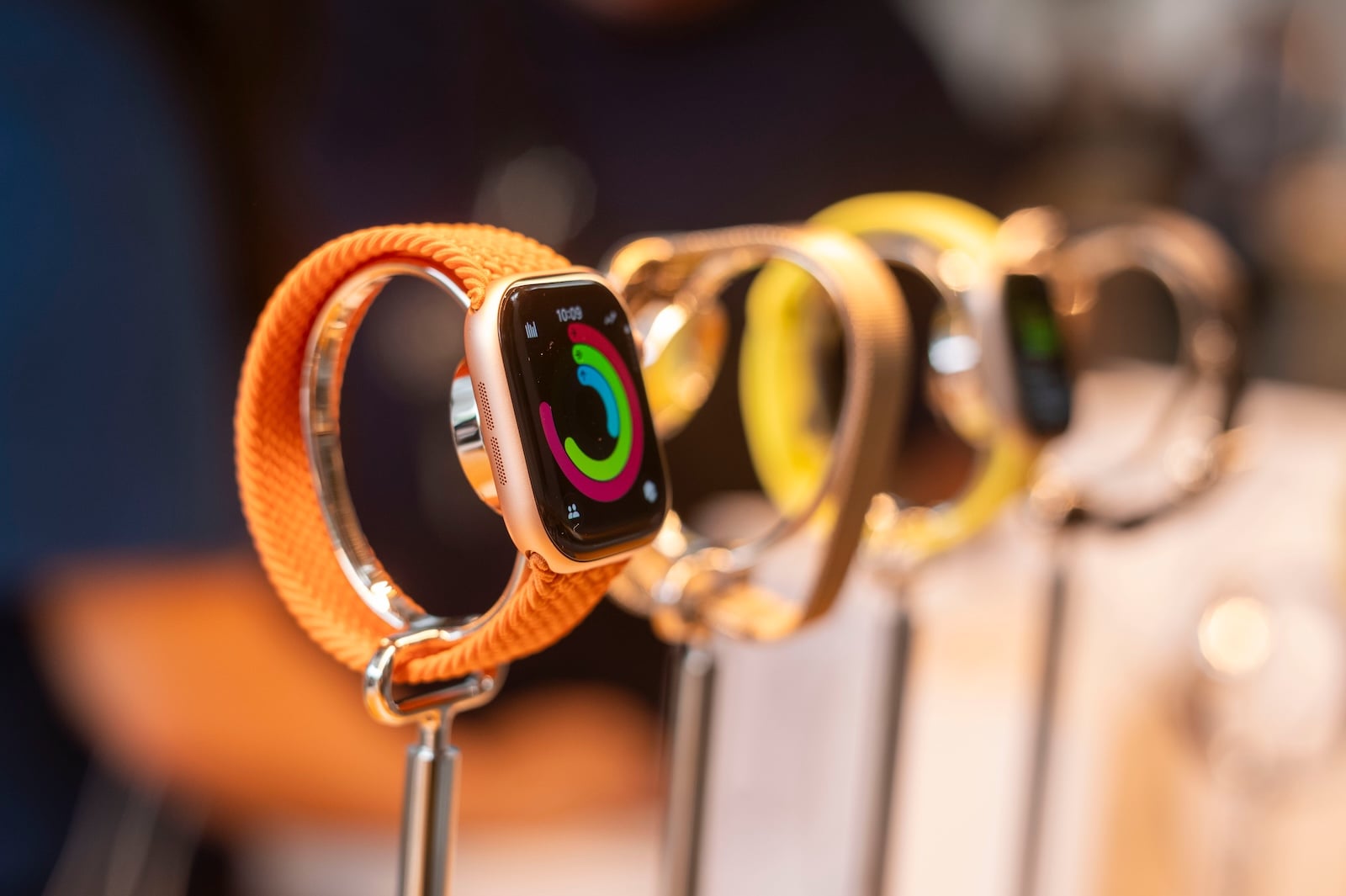
Apple is working on new manufacturing technologies for its devices. After initial experience with 3D-printed titanium, Apple now plans to extend this technology to aluminum. The goal is more efficient production, reduced material consumption, and additional design possibilities for devices like the Apple Watch and iPhone.
According to a report by Bloomberg journalist Mark Gurman in the newsletter "Power On," Apple is currently investigating how aluminum can be processed using 3D printing. Future Apple Watch models in particular could benefit from this, and iPhones may benefit later on as well.
With the Apple Watch Ultra 3, Apple introduced a new 3D printing manufacturing process for the titanium case for the first time. This allows Apple to save raw materials, reduce production costs, and simultaneously use fully recycled titanium powder.
The process isn't limited to the Apple Watch Ultra 3. Apple also uses 3D printing for the titanium version of the Apple Watch Series 11 and for parts of the USB-C port in the iPhone Air. The results so far appear positive enough that Apple is planning the next step: the use of 3D-printed aluminum.
3D printing is to be extended to aluminum
According to reports, Apple is working on manufacturing aluminum using 3D printing in the future. Both the manufacturing design team and the company's operations department are involved in this project.
The goal is to make production more efficient. The Apple Watch is a particular focus, as many models have an aluminum case. If the process is successfully implemented, most Apple Watch cases could be manufactured using 3D printing in the future. In the long term, its use for the iPhone would also be conceivable.
New aluminum process for the MacBook Neo
Apple recently introduced a new, more cost-effective aluminum manufacturing process with the MacBook Neo. This process uses as little metal as possible and reduces aluminum consumption by approximately 50 percent compared to conventional production methods.
Despite the cost savings, the housing remains robust and durable. However, it's important to note that this process is not based on 3D printing.
Apple used to use plastic in some of its more affordable devices. For example, until 2010, there was a white MacBook with a plastic casing. Today, Apple continues to use aluminum even in its more budget-friendly models.
Technical advantages of 3D printing
3D printing not only offers cost advantages, but also enables new technical solutions. For example, Apple was able to print a special texture on the inner metal surface of the Apple Watch Ultra 3 case.
This structure improves the bond between metal and plastic in the antenna area. On Apple Watch models with cellular connectivity, there is a plastic-filled gap there, which is necessary for the antenna to function. By using a printed texture, Apple was able to improve the water resistance of this area.
The technology was also used in the iPhone Air. The USB-C port could be made thinner thanks to 3D printing. Without this manufacturing method, the device would probably have been somewhat thicker.
Sustainability and potential impacts
Another advantage of 3D printing lies in its environmental impact. The process produces less material waste, as components are built up layer by layer and do not need to be milled from large blocks of metal.
It's still unclear what direct advantages a 3D-printed aluminum casing will offer users. However, more efficient production could also enable cheaper devices in the long run. For example, an iPhone "e" model closer to €500 than the roughly €699 of the iPhone 17e would be conceivable.
Apple is pushing ahead with 3D printing in hardware production
Apple is currently testing how 3D printing can be more closely integrated into hardware production. After initial successes with titanium, aluminum could be the next step.
Should the technology prove successful, future Apple Watch models and possibly even iPhones could feature 3D-printed aluminum cases. Besides potential cost advantages, the process also offers technical improvements and environmental benefits. (Image: Shutterstock / Ringo Chiu)
- Mac Studio: M5 upgrade could arrive at WWDC 2026
- iMac: Apple plans new colors for the next update
- Apple HomePad: New information on features and launch
- MacBook Pro: Major upgrade planned with OLED and touchscreen
- Apple could unveil three Ultra devices in 2026
- Apple Home Hub: New indications of a fall 2026 launch
- Apple outsources Siri: AI servers remain unused
- MacBook Air will get an OLED display for the first time in 2028
- WWDC 2026: Apple replaces Core ML with Core AI in iOS 27
- iPad Pro 2027 brings internal technology upgrade
- iPad Fold: Huge display, uncertain future
- MacBook in price focus: Apple targets upgraders
- Studio Display 2: New details about the upgrade
- Apple March 2026 Announcements: Focus on New Chips
- Apple plans to launch Apple Pay in India
- MacBook leak reveals tough cost-cutting measures
- Affordable MacBook coming: Price and details
- iPhone Fold: Production orders confirm market launch 2026
- iPhone 18 Pro gets smaller Dynamic Island