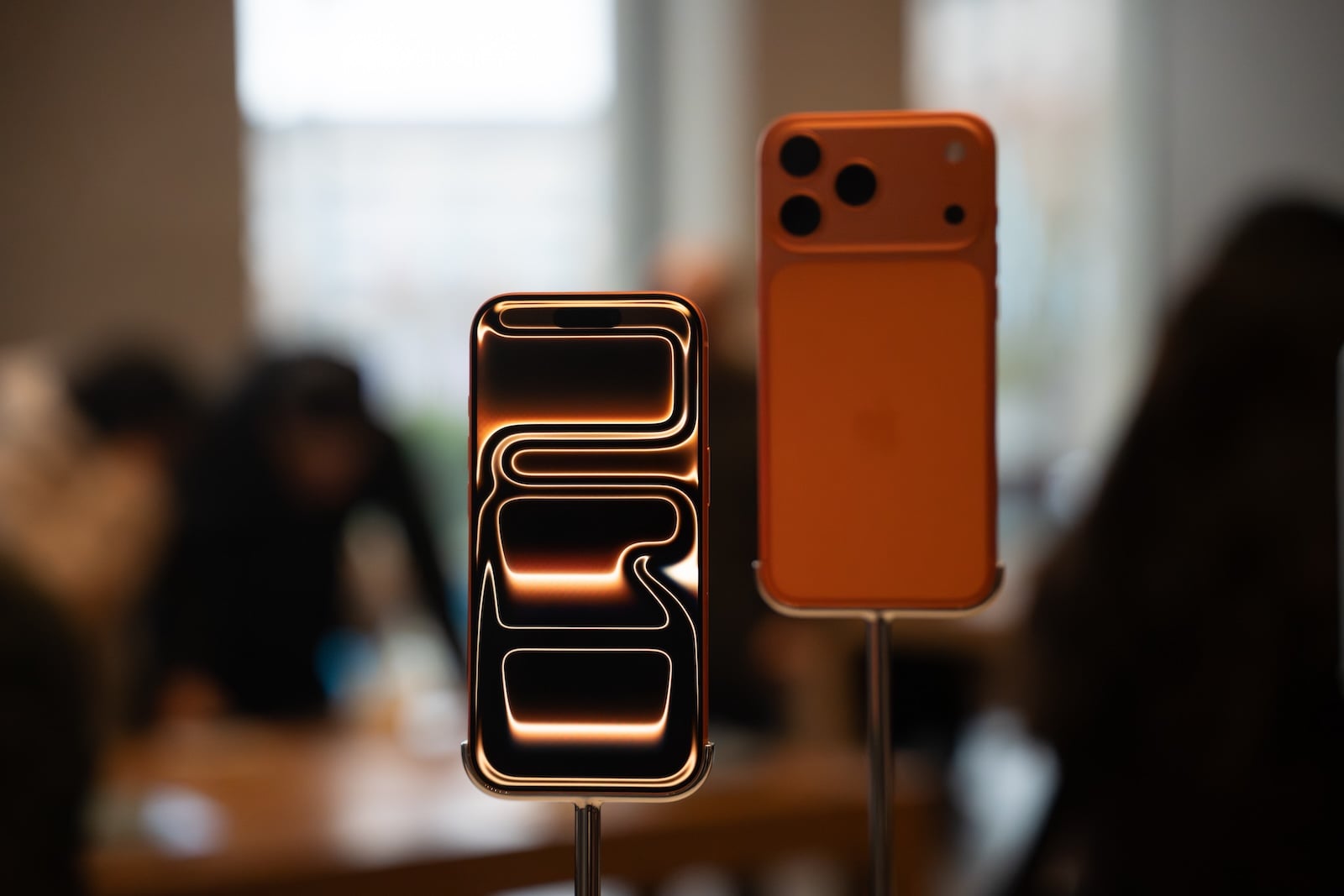
New information from China dampens expectations that Apple will make a significant leap in outdoor brightness with the iPhone 18 Pro. According to leaker Instant Digital, the model will not feature a dual-layer OLED display – and without this, Apple's thermal throttling remains the limiting factor that restricts peak brightness in everyday use.
The statement, from Instant Digital on Weibo, is brief: The iPhone 18 Pro will not receive dual-layer OLED technology. This information aligns with an already foreseeable display roadmap. Apple recently clarified that the 2026 Pro models will receive a noticeable, but gradual, display improvement with LTPO+ – the exact supplier approvals for this are described in the LTPO+ contract awarded to Samsung Display and LG Display. The truly significant increase in brightness, however, is being pushed further into the future.
What Instant Digital writes
Instant Digital responded to a user question about when dual-layer OLED would be introduced in the iPhone. The answer was clear: the iPhone 18 Pro will definitely not have it. The leaker had previously noted that the iPhone 17 Pro had shown little improvement in maintaining its peak brightness outdoors in everyday use. As long as Apple doesn't change its thermal throttling strategy, Instant Digital believes there's only one way to achieve a truly noticeable increase in brightness: the switch to dual-layer OLED.
The underlying problem is a familiar pattern: Current iPhone Pro models may reach their peak brightness on paper, but under real-world sunlight, they throttle it within minutes to prevent the display temperature from escalating. Anyone using the smartphone outdoors for an extended period won't see the full brightness, but rather the throttled, continuous brightness level.
What Apple's tandem OLED plan is supposed to look like
Background information on the roadmap comes from a report from August 2025. According to this report, Apple is pursuing a two-year production plan for adapting tandem OLED displays for the iPhone. Which manufacturer will supply the panels – Samsung Display or LG Display – has not yet been decided. Realistically, the new display will therefore not appear in an iPhone until sometime after 2028 at the earliest.
One notable technical difference compared to the iPad Pro is that Apple is reportedly not planning a full tandem OLED structure for the iPhone, like the one used in the iPad Pro M4. Instead, a "simplified tandem" design is being discussed. This involves doubling only the blue subpixel layer, while red and green remain on a single layer. The reason is understandable: blue is the color that puts the most strain on OLED displays over their lifespan and loses brightness the fastest. A double blue layer increases lifespan, raises maximum brightness, and simultaneously avoids the additional complexity of a complete tandem architecture in a smartphone form factor.
What the iPhone 18 Pro gets instead in terms of display
Apple is taking a small but significant step forward with its Pro display this fall. The iPhone 18 Pro will use LTPO+ – an evolution of the existing LTPO technology that has provided variable refresh rates in the Pro models for years. LTPO+ promises finer control of individual OLED pixels, which can have two effects: more precise brightness adjustment to ambient light and lower energy consumption.
Combined with the more efficient 2nm chip and a slightly larger battery, this creates room for longer battery life. Chinese display manufacturer BOE is excluded from this season's Pro lineup because the company does not meet the quality and yield requirements for LTPO+. The premium contracts therefore go entirely to Samsung Display and LG Display.
The larger display strategy behind Apple's Pro series
Apple is deliberately spreading display improvements over several generations. LTPO+ will be the visible upgrade on the spec sheet in 2026, while dual-layer OLED will be the next real quantum leap in ambient brightness no earlier than 2028 or later. In between lies the issue of thermal throttling, which Apple is actively waiting out – apparently assuming that a strict throttling strategy is shorter-lived than a consistently high display temperature, which would negatively impact long-term battery life and performance.
For buyers, this means one thing is clear: the iPhone 18 Pro will be more efficient than the iPhone 17 Pro, but not noticeably brighter. Anyone waiting for a significant improvement in sunlight brightness should most likely wait for a Pro generation beyond 2028.
Technology beats marketing
In other words, Apple could already list higher peak brightness figures on the spec sheet, but without thermal headroom, this number is of little use in a real summer. That's precisely why tandem OLED isn't a marketing gimmick, but the only currently available technical solution that gives Apple the leverage to achieve sustained brightness. The fact that this technology isn't coming in 2026 is consistent with Apple's overall roadmap approach – not being the first to market, but then with a technically sound implementation.
Efficiency gains and LTPO+ will close the gap until then. Those satisfied with the current Pro display in direct sunlight will get a better model this fall. Those not will have at least two generations to wait. The complete collection of all Pro hardware expectations can be found in our iPhone 18 Pro rumor roundup.
Brightness remains the long-term issue
Instant Digital's statement isn't an isolated leak, but rather confirms a trend that's been emerging for months. Apple is holding back the major leap in brightness for a later generation and will deliver a solid, but not revolutionary, display in 2026. Until tandem OLED is ready for the iPhone, ambient brightness remains the issue that most visibly differentiates the Pro series from its Android competitors – for better or for worse. (Image: Shutterstock / Anonymous Photographer)
- iPhone 18 Pro: Aggressive pricing strategy despite storage cost pressure
- visionOS 27: What Apple Vision Pro 2026 can really expect
- Apple Watch without Touch ID: Leaker dampens expectations for 2026
- Apple Vision Pro: Development continues – despite restructuring
- Safari 27: Tabs should group themselves using AI
- macOS 27: Apple is planning design adjustments to the Liquid Glass look
- Apple's Pendant: Development continues, launch in 2027 at the earliest
- AirPods with cameras: Apple's development reaches a crucial phase
- A holographic iPhone? Samsung's display could pave the way
- MacBook Neo: Apple doubles production and reviews pricing strategy
- iPhone Ultra: Apple's foldable phone is to be the easiest to repair
- iPhone 18 Pro: Display upgrade only comes from Samsung and LG
- iPhone 18 Pro: New CAD leak fuels Dynamic Island debate
- iOS 27 lets you choose between Gemini, Claude, and more
- Anniversary iPhone 2027: Solid-state buttons pass initial practical tests
- iPhone 18 Pro: Apple sticks with the controversial aluminum finish
- iPhone 18 delayed further: Apple extends iPhone 17 production for an unusually long time
- OpenAI brings forward AI smartphone launch: Launch one year earlier than planned
- iPhone Ultra: First hands-on with dummy reveals unusual format
- Apple Wallet will receive a "Create a Pass" feature with iOS 27.
- iPhone „Glasswing“: Apple plans liquid glass-inspired redesign for 2027
- watchOS 27: Apple brings the Modular Ultra to all Apple Watches
- iPhone Pro 2027: Anniversary design instead of a separate model