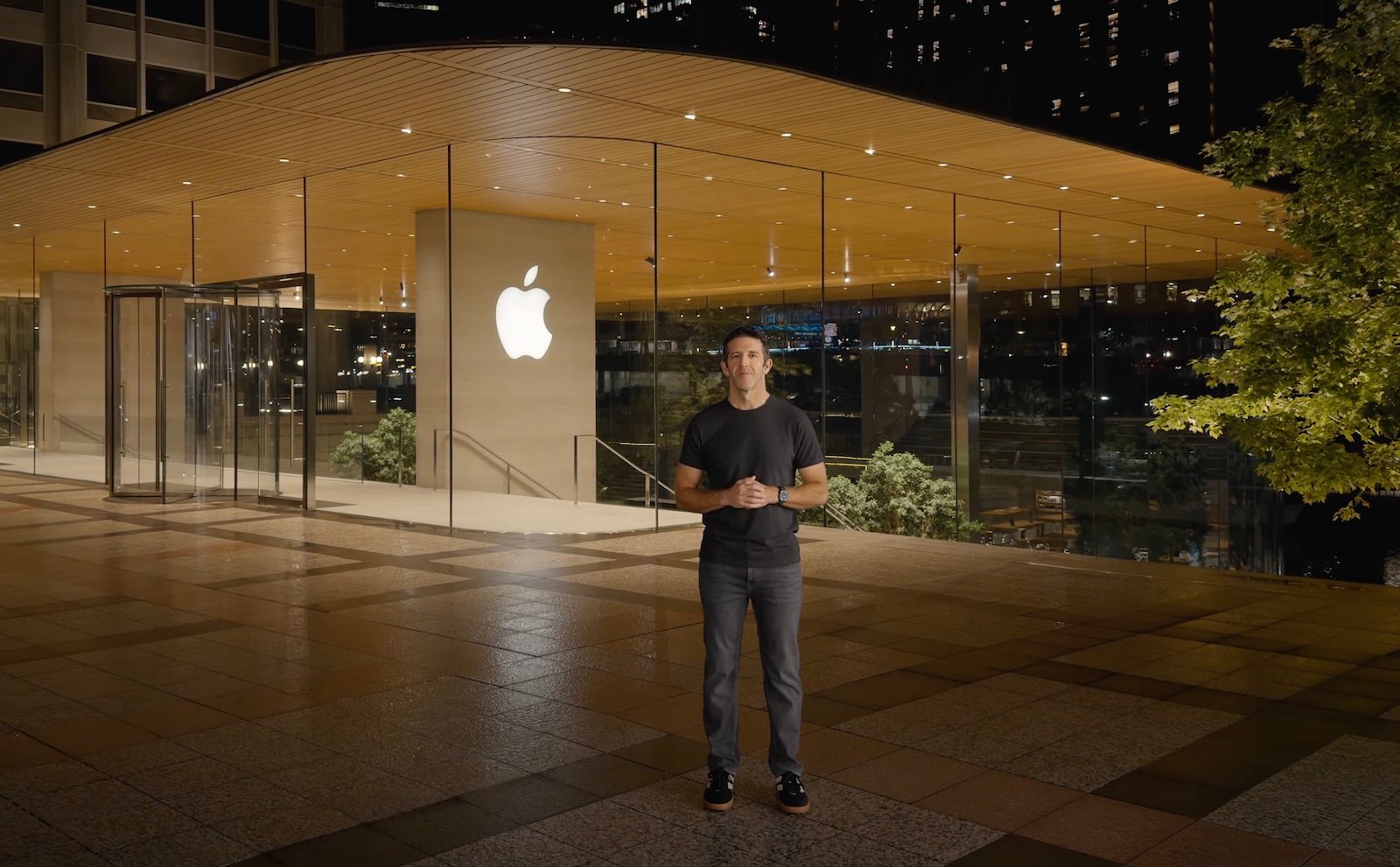
At Apple, design isn't an afterthought, but a strategic core of the company. Changes in this area almost always have a major impact on the company's long-term direction. This is precisely the case with the latest development. John Ternus, previously head of hardware, is now also taking over responsibility for Apple's design teams.
Apple traditionally prepares for leadership transitions early and in a structured manner. Tasks are gradually expanded, responsibilities adjusted, and key individuals introduced into new roles. The transfer of design responsibility to John Ternus follows this established pattern and aligns with the long-standing speculation about Apple's future CEO succession.
John Ternus takes over the design teams
John Ternus has been leading Apple's design teams since the end of last year. According to Bloomberg, this decision was made by Apple CEO Tim Cook in the final months of 2025. With this move, Apple significantly expands Ternus's responsibilities beyond his previous role as head of hardware development.
Previously, the software and hardware design teams were led by former Chief Operating Officer Jeff Williams. Williams left the company in 2025. At the time of his retirement, Apple stated that the design teams would report directly to Tim Cook. In practice, however, Cook appears to have delegated this operational responsibility to Ternus.
The importance of design at Apple
Design has always been a top priority at Apple. For many years, Jony Ive, as chief designer, shaped the company's visual identity and product philosophy. After his departure, Jeff Williams took over this role. Now, with John Ternus, another high-ranking manager is at the helm of the design department.
Within the management team, Ternus is considered the "Executive Sponsor" for design. In this role, he handles communication between the design staff and senior management. He represents design at management meetings, coordinates the heads of the design teams, and ensures that design decisions are integrated into Apple's overall strategic planning.
Decisions by consensus
Despite his expanded responsibilities, Ternus does not make design decisions alone. At Apple, fundamental design questions continue to be decided by consensus. Software engineering chief Craig Federighi and marketing chief Greg Joswiak retain influence over the overall aesthetics and direction of the products. This collaboration is intended to ensure that hardware, software, and marketing follow a consistent design philosophy.
Preparing for CEO succession
Several reports identify John Ternus as the most likely candidate to succeed Tim Cook as Apple CEO. Cook turned 65 last year, but there are no concrete plans for his retirement. Nevertheless, internal developments suggest that Apple is actively preparing for the next leadership phase.
At 50, Ternus is the youngest senior executive in Apple's top management. Should he one day be appointed CEO, he could be in for a long tenure. His career to date within the company suggests strong internal ties and a deep understanding of its operations.
Strengths and internal criticism
John Ternus has led Apple's hardware development team for years. Internally, he is described as balanced, detail-oriented, and extremely knowledgeable about the company's global supply chain. These qualities are considered key factors in Apple's operational success.
At the same time, there are also critical voices. Some employees see him as too risk-averse, criticize his lack of experience in geopolitical issues, and doubt that he possesses enough charisma to lead Apple externally as CEO. However, these concerns contrast sharply with his steadily growing influence within the company.
John Ternus is moving further into the power center of Apple
John Ternus's appointment as head of design is another step in Apple's long-term leadership plan. Design remains a central element of the company's strategy, and with Ternus, an experienced hardware manager moves further into the center of power. Whether he will actually succeed Tim Cook as Apple's CEO one day remains to be seen. What is clear, however, is that Apple is seriously preparing for this option and is prioritizing internal continuity. (Image: Apple)
- iPhone Rumors 2027: All-Screen Later Than Expected?
- Report: Apple changes AI strategy under Craig Federighi
- Apple Home Hub: New evidence of a rotatable robot base
- Apple plans AI pin: New wearable could arrive in 2027
- iOS 27: Siri becomes a chatbot with deep system access
- Apple is using AI chatbots internally to increase productivity
- iPhone 18: New leak suggests extremely bright display
- iPhone 18 Pro: Smaller Dynamic Island instead of a radical redesign
- iPhone Air 2: Will there be an update in 2026 or not until 2027?
- iPhone 18 Pro: Leaker contradicts rumors about the front camera
- iPhone 18 Pro and Face ID: What Apple is planning for the display
- M5 Max MacBook Pro before release: Performance predictions
- iPhone 18 Pro: New front design with camera on the left?
- MacBook Pro with OLED takes a crucial production step
- iPhone Fold: New details on technology, AI & market strategy
- Apple and TSMC: AI boom puts the chip alliance to the test
- iPhone 17e: Dynamic Island is coming, display remains at 60 Hz
- iOS 26.4 could significantly improve Apple Notes
- iPhone Fold: Liquid metal hinge and titanium casing
- iPhone 18 Pro: Leak suggests major changes to the display
- Apple could unveil a high-end MacBook Pro on January 28th
- Apple is hit by the AI boom: Important chip components are in short supply worldwide
- Apple optimizes Gemini for Siri even without Google branding
- Apple Glasses: How the niche market finally becomes a mass market