Apple's affordable MacBook Neo has shaken up the notebook market – and now the Windows world is striking back. Dell is launching a direct competitor with the XPS 13, while Nvidia is introducing its first PC chip, the RTX Spark, designed to rival Apple Silicon. Apple is thus facing new competition on two fronts.
When Apple introduced the MacBook Neo at a starting price of $599 – €699 in Germany – it caught most Windows manufacturers off guard: Even die-hard Windows users were amazed at how much notebook Apple offered for so little money. With an aluminum casing and a price that undercut previous Mac benchmarks, Apple set new standards in a segment long reserved for inexpensive plastic notebooks – and provided many casual users with virtually everything they needed in a computer. That the competition would react was predictable – but now they're coming at it in two ways: once with the notebook itself and once with the chip that powers such devices.
Dell XPS 13 attacks the MacBook Neo
Dell seems to have anticipated what was coming to the market and has launched a direct competitor. The new XPS 13 weighs around 0.9 kilograms and, at 12.7 millimeters thick, is the thinnest and lightest XPS Dell has ever built. Instead of the plastic typically found in the sub-$700 price range, Dell has opted for an aluminum chassis; the display is also touch-sensitive. Some promotional photos even hint at a look reminiscent of liquid glass.
The XPS 13 is priced around $100 higher than the MacBook Neo, starting at $699 – although students also pay $599. In return, Dell offers a touchscreen, which the highly sought-after MacBook Neo lacks – for some buyers, this may justify the higher price. In Germany, the Neo's price advantage is currently even more pronounced: Amazon currently lists the base model for €619 instead of €699, and the version with Touch ID for €724 instead of €799.
Nvidia unveils its first PC chip
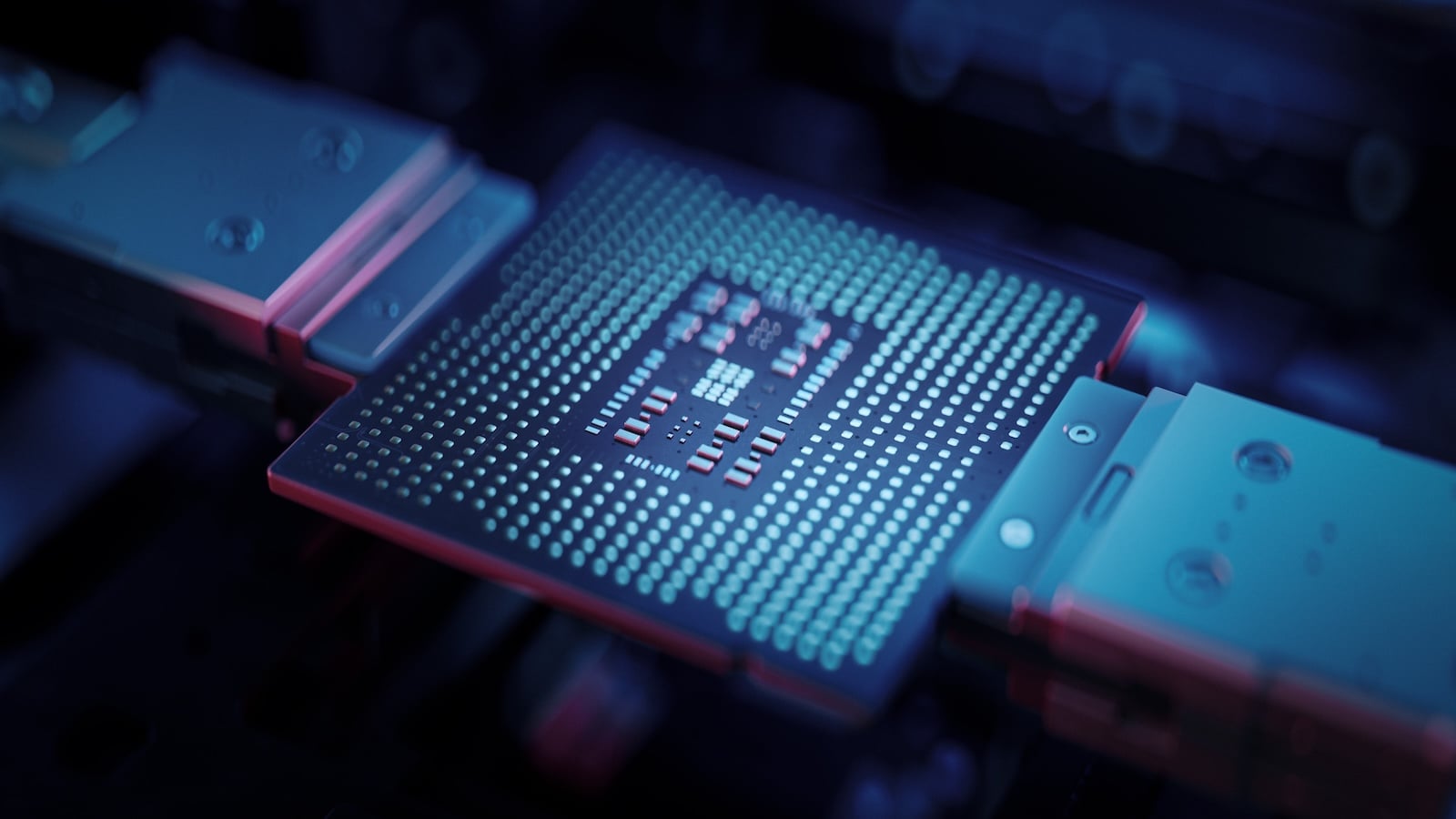
Apple is also facing a new challenger in the processor market. The first generation of Apple Silicon was so significantly superior to Intel's chips in terms of performance and efficiency that the US manufacturer struggled to find an answer for a long time. Nvidia now believes it has found such an answer with the RTX Spark – the company's first PC chip.
Nvidia is positioning the RTX Spark as a "superchip" for an era of personal AI agents, describing a computer that aims to evolve from a tool to a teammate. This move marks Nvidia's entry into the consumer market for AI devices. The chip will debut this fall in a new line of Windows PCs from Asus, Dell, HP, Lenovo, Microsoft, and MSI. Meanwhile, Apple is continuing to advance its own chip line, including its next generation based on TSMC's 2-nanometer manufacturing process.
Where the pressure really arises
Those firmly entrenched in the Apple ecosystem are unlikely to switch to a Windows notebook – even one that rivals a MacBook in performance and build quality. Competition, however, remains beneficial, as it incentivizes Apple to push the boundaries of what's possible. This additional pressure is likely to be most noticeable where Nvidia is making targeted efforts: in AI features, which are increasingly determining a computer's appeal. (Image: Shutterstock / IM Imagery)
- Apple Watch data sheds light on sleep during menopause
- Apple releases new report on conflict minerals
- Apple showcases its image AI research at CVPR 2026
- Claude Opus 4.8: Anthropic's new AI model is here
- How iPad and Mac are helping to save the Cherokee language
- Amazon is also acquiring Apple's 20 percent stake in Globalstar
- Study: People who cancel an annual subscription almost never come back
- Meta launches Facebook Plus, Instagram Plus and WhatsApp Plus worldwide
- Apple publishes help document to differentiate between Creator Studio apps
- WhatsApp will soon allow iPhone users to send documents to Meta AI
- iPhone Theft: Apple Plans Automatic Lock When Snatched
- Apple releases new AirTag 2 firmware 3.0.49
- Apple adds CVE details for older and current updates
- Apple patent outlines true underwater photography for iPhones
- Apple Patent: Vision Pro could become modular and upgradeable
- Apple is working on an Apple Pencil with realistic haptics
- Apple case designed to connect iPhone to satellites
- Apple is bringing Touch ID back under the Display
- Apple Vision Pro: Will there be an Apple Pencil-like controller?
- Apple reported significantly fewer patents in the US in 2025
- AirPods of the future: Apple is researching smart gesture logic
- Apple plans fabric displays for HomePod and other devices