Final Cut Pro, Logic Pro, and four other professional apps have been available in two parallel versions since the beginning of the year – with identical names. Apple has now published a guide to help Mac users identify which version they are currently using.
With the launch of Apple Creator Studio in January 2026, Apple consolidated its six professional creative apps into a single subscription. What was intended as a simplification has, in practice, created a new hurdle: The subscription versions have the exact same names as the regular, purchased versions and can be installed simultaneously on the same Mac. Users of both versions, or those troubleshooting a problem with a specific app, will find two visually almost identical icons in the Dock. Apple has now addressed this with a dedicated support document.
What the new Apple document shows
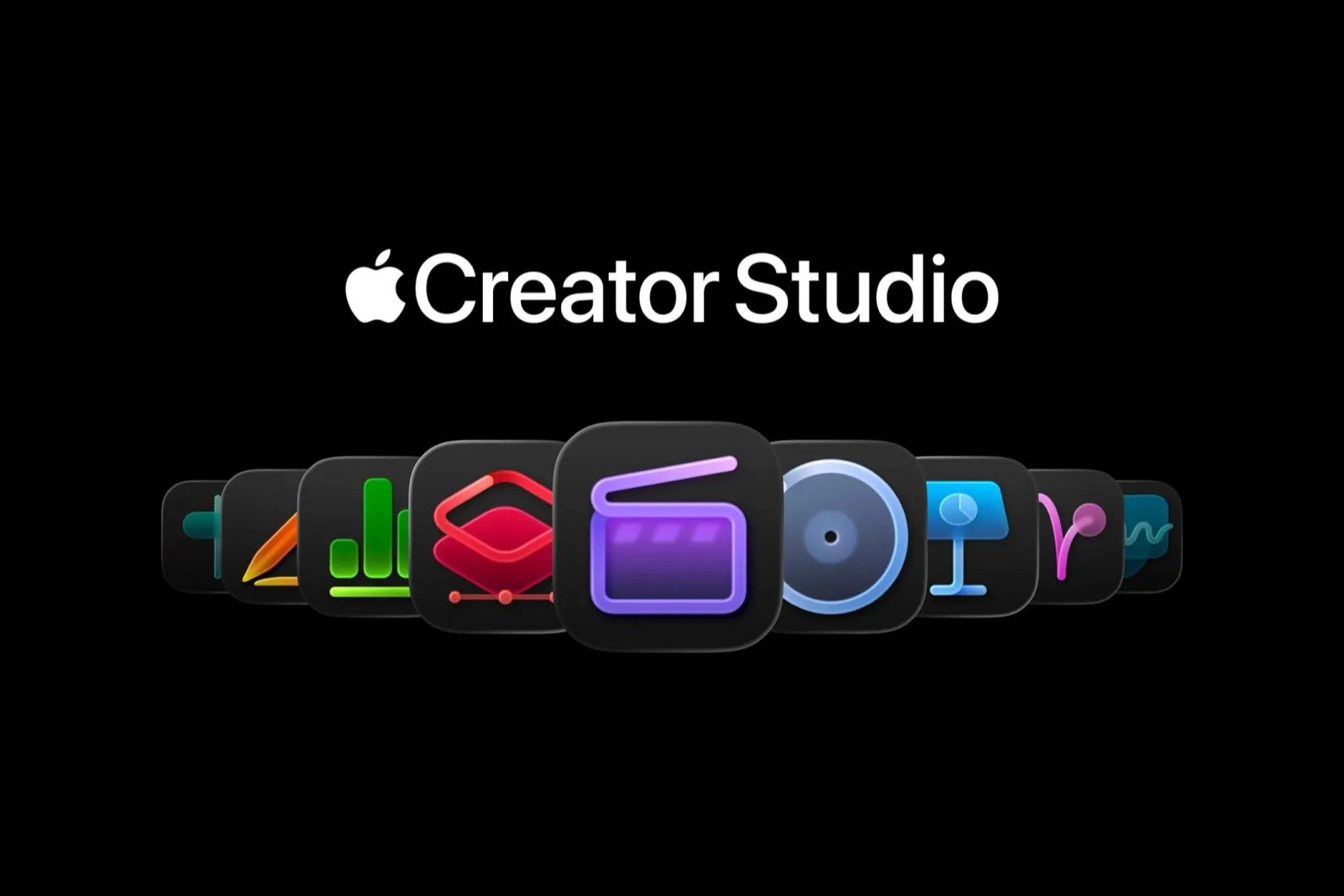
On May 26, 2026, Apple published a page (support number 127131) dedicated solely to differentiating between the two app worlds. It lists all six affected programs – Final Cut Pro, Logic Pro, MainStage, Motion, Compressor, and Pixelmator Pro – and places the icons of the Creator Studio version directly next to those of the standalone versions. This allows users to see at a glance, from the Applications folder or the Dock, which edition is currently running.
The Creator Studio icons are designed in a Liquid Glass style, distinguishing them from the classic icons of paid apps. The content and functions of the programs are largely the same; both versions can be installed and used together.
Why Apple is taking this step at all
It's unusual for Apple to create a help page whose sole purpose is to differentiate between two of its own apps. This move suggests that the parallel existence of subscription and perpetual license versions has created enough confusion in practice to warrant a public clarification. After all, when troubleshooting, handling support requests, and in everyday workflows, it's crucial to know which of the two versions is active—for example, because updates, licenses, and individual features are handled differently.
Apple also announced at the launch of the subscription service that certain new features in the professional apps would be reserved for Creator Studio subscribers. This division makes it all the more important for users to be able to clearly identify their respective edition.
Pixelmator Pro is included in the bundle as a visible integration step
With the inclusion of Pixelmator Pro in the Creator Studio bundle, the first tangible result of Apple's acquisition of Pixelmator in November 2024 has become visible. Pixelmator Pro now joins the ranks of classic Apple professional apps like Final Cut Pro and Logic Pro, sharing the same subscription model and help documentation for icon differentiation. Apple Creator Studio costs €12.99 per month or €129 per year and bundles the six applications into a single subscription.
A clearer separation as a result of the dual strategy
At first glance, the brief Apple documentation appears to be an unremarkable support page. However, it demonstrates how far Apple has moved away from the earlier "one app, one purchase" model. As long as subscription and perpetual license versions exist in parallel, such small guides are likely to become standard practice – and they provide a clear indication that Apple is seriously considering the Creator Studio model as a long-term pillar of its professional software business. (Image: Apple)
- WhatsApp will soon allow iPhone users to send documents to Meta AI
- iPhone Theft: Apple Plans Automatic Lock When Snatched
- Apple releases new AirTag 2 firmware 3.0.49
- Apple adds CVE details for older and current updates
- Apple patent outlines true underwater photography for iPhones
- Apple Patent: Vision Pro could become modular and upgradeable
- Apple is working on an Apple Pencil with realistic haptics
- Apple case designed to connect iPhone to satellites
- Apple is bringing Touch ID back under the Display
- Apple Vision Pro: Will there be an Apple Pencil-like controller?
- Apple reported significantly fewer patents in the US in 2025
- AirPods of the future: Apple is researching smart gesture logic
- Apple plans fabric displays for HomePod and other devices
- Apple wins long-running dispute over iPhone camera patents
- Apple develops magnetic game controller for iPhone & iPad
- Apple relies on smart mattress sensors for sleep tracking
- Apple develops next-generation Taptic Engine