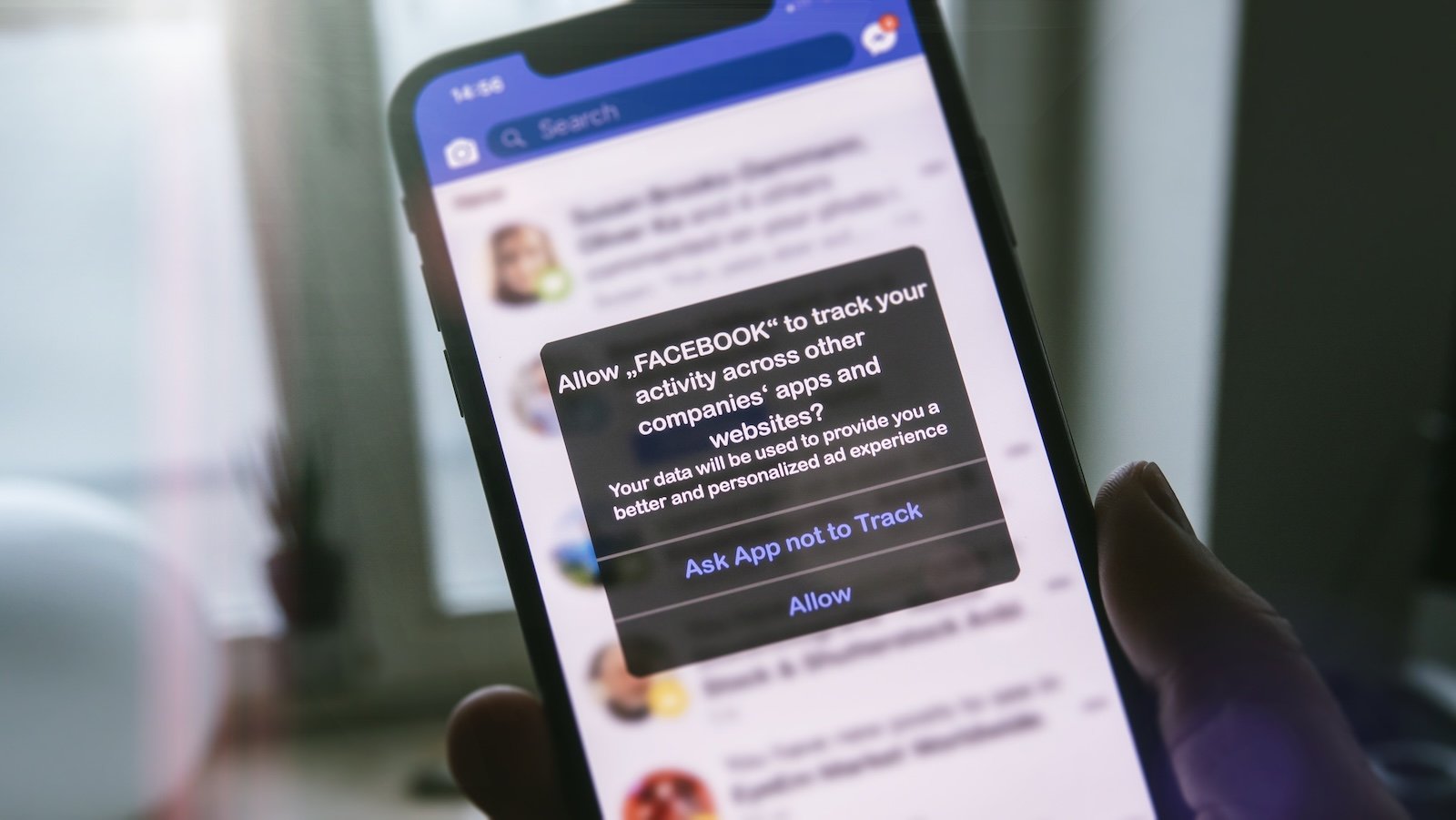
Apple has been under pressure in Europe for some time now regarding its privacy strategy. The "App Tracking Transparency" feature, in particular, has caused conflicts with advertisers and competition authorities. Now, a significant ruling has been made in France: A judge in Paris has ruled that Apple may continue to offer this iPhone feature. This means that a key element of Apple's privacy policy will remain in place for the time being.
Data privacy is not just a marketing issue for Apple, but a central component of its product and corporate strategy. At the same time, changes like App Tracking Transparency significantly impact the digital advertising market. The case in France clearly demonstrates how strongly data privacy, economic interests, and regulation are intertwined, and how complex the legal situation has become for Apple in Europe.
Court ruling in Paris
A judge in Paris has ruled that Apple does not have to suspend its "App Tracking Transparency" privacy feature in France. The decision was reported by the French newspaper La Tribune. This means Apple can continue to offer the feature on iPhones, despite it having been the subject of several legal proceedings.
Apple itself expressly welcomed the ruling. In a statement, the company declared that it remains committed to strong protection of user privacy and feels vindicated by the decision.
Background to the €150 million fine
Last year, the French competition authority fined Apple €150 million. The authority concluded that the introduction of App Tracking Transparency constituted an abuse of its dominant market position. In its view, Apple unfairly disadvantaged both third-party app developers and advertisers.
Specifically, criticism was leveled at Apple for enforcing stricter rules for third-party apps, while its own services were less affected. According to the authorities, this unequal treatment has a negative impact on competition in the digital advertising market.
How App Tracking Transparency Works
Since the release of iOS 14.5 in April 2021, apps must actively request permission before they are allowed to track a user's behavior across other apps and websites. This prompt appears the first time an app is launched.
If the "Allow apps to request tracking" option is disabled, the app will no longer have access to the device's advertising ID. This significantly restricts personalized advertising. For users, this means more control and transparency, but for many advertisers, it means fewer opportunities for targeted advertising.
Criticism from the advertising industry
Several advertisers and app providers have complained of significant revenue losses since the introduction of App Tracking Transparency. As personalized advertising becomes less effective, advertising revenue is declining in many cases. This economic impact is one of the main reasons for the ongoing criticism of Apple.
Apple, on the other hand, emphasizes that data protection is a fundamental right and that economic interests should not take precedence over the protection of personal data.
Regulation in Europe remains a source of uncertainty
Last year, Apple warned that regulatory pressure in countries like France, Italy, Germany, and Poland, as well as from the European Commission, could lead to the suspension of App Tracking Transparency across the EU. The recent ruling from Paris alleviates some of the pressure, at least in France.
Whether this function will remain in place in all EU member states in the long term is still uncertain. Further procedures and regulatory decisions could follow.
Apple wins for now in the European data privacy dispute
The Paris court's decision is an important interim step for Apple in the European data privacy dispute. App Tracking Transparency can continue to be used in France for the time being, despite a previous fine and ongoing criticism from the advertising industry. The case shows that Apple can legally defend its data privacy policies, but at the same time must continue to live with regulatory risks in Europe. (Image: Shutterstock / Audio and advertising)
- iPad Pro & Air: Apple releases new firmware for Magic Keyboard
- Apple faces patent lawsuit over Eye Contact feature
- Apple faces a protracted dispute over fall detection
- iPhone 17 Pro: Tests dispel concerns about discoloration
- Apple clearly prevailed against market trend in China in 2025
- Firehound analyzes app store apps with serious data leaks
- WhatsApp Web: Voice & video group calls are coming soon
- Threads is gaining mobile users and leaving X behind
- OpenAI is specifically preparing for its first hardware launch in 2026
- New MacBook Pro update on the horizon? Delivery times as a hint
- Apple: Lisa Jackson retires after 13 years
- Apple Music shows trailers for the Super Bowl LX Halftime Show
- Apple opens new Sainte-Catherine Store in Montreal
- ChatGPT introduces affordable subscription and tests advertising
- Apple ignores deadlines and angers Indian authorities
- Korea rejects Elon Musk's motion in dispute against Apple
- Gemini Personal Intelligence offers insights into the future of Siri
- Apple Display discovered: New model appears in database
- Apple is redesigning Siri and entering into a billion-dollar deal with Google
- Forecasts and expectations for Apple's Q1 2026 results
- Subscriptions as a growth engine of the global app economy
- Apple Card: The reasons for the end with Goldman Sachs
- Apple Manzano demonstrates progress in multimodal image AI
- Final Cut Pro: New features even without Apple Creator Studio?
- Apple Creator Studio: Icons clearly indicate the subscription version