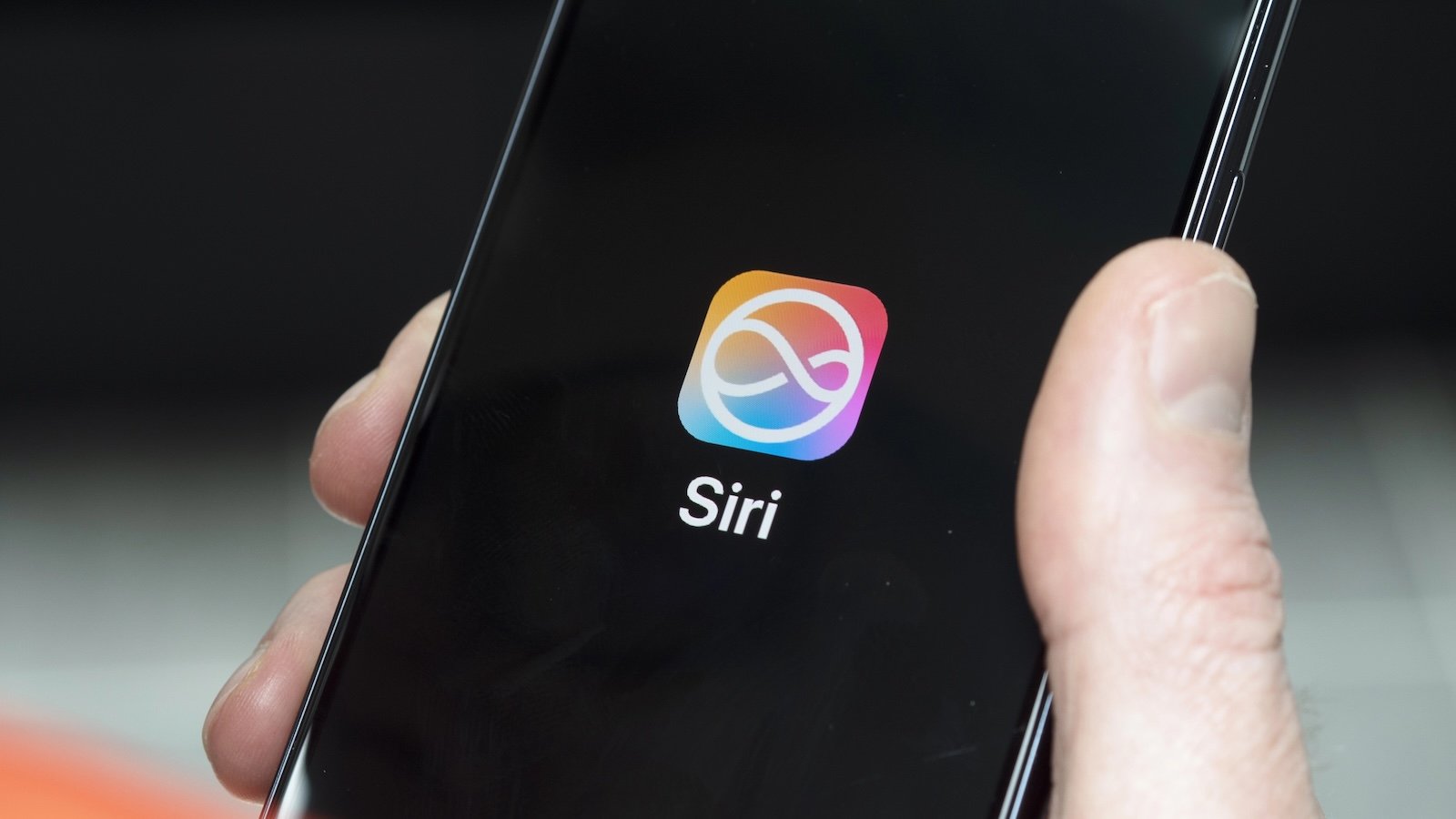
Apple is realigning its AI strategy. A Financial Times report reveals the extent of the company's commitment. Billions are apparently being spent on integrating Google's Gemini models into Siri. At the same time, it's clear that OpenAI is not part of this future. The decision is said to be deliberate and is linked to significantly larger ambitions than simply an assistant service on the iPhone.
Apple was long considered cautious, almost reserved, when it came to generative AI. While other major tech companies aggressively presented their models, Apple remained discreet, citing data privacy and its own standards. But internally, the pressure was mounting. Siri was lagging behind technically, and expectations from users and investors were rising.
With the now confirmed partnership with Google, Apple makes it clear that AI will play a central role in the future and that it is prepared to invest considerable sums in it.
Google's Gemini models as the new basis for Siri
Apple has officially confirmed that Google's Gemini AI models will form the basis for new Siri features. Google speaks of a multi-year contract. Apple emphasizes that the Gemini models will not run on Google servers, but on Apple's own private cloud compute servers.
This is intended to ensure that data protection and data security remain under Apple's control. The announcement is clearly aimed at investors, but is also relevant for customers, as more powerful Siri features are expected.
Apple is paying billions for the Gemini deal
According to a Financial Times report, the agreement is a multi-billion dollar deal. The contract is reportedly structured as a cloud computing agreement. A person familiar with the agreement stated that Apple could pay Google several billion dollars over time.
The details remain deliberately vague, but align with long-standing rumors that Apple pays around one billion dollars per year. Over several years, this amounts to a total sum in the billions.
From Apple's perspective, the deal still appears attractive. The company has been receiving many times this amount from Google for years for setting Google Search as the default on iPhones. Against this backdrop, the investment in Gemini seems strategically sound.
OpenAI deliberately chooses against a Siri partnership
The report also sheds light on OpenAI's role. According to the report, the company consciously decided against a partnership with Apple. OpenAI itself declined to comment on the report. However, a person close to the company stated that a clear decision had already been made last fall not to act as a provider of custom AI models for Apple.
Instead, OpenAI is focusing on developing its own AI device. The goal is to eventually assume a leading role in the hardware and AI market and not become too dependent on existing tech giants.
It remains unclear whether Apple actually offered OpenAI a concrete contract. The wording leaves open whether OpenAI actively rejected a deal or whether they internally decided not to accept any potential offer in the first place.
A mysterious AI device with an Apple past
Particularly noteworthy is the reference to OpenAI's planned AI device. This device is said to have been designed by Jony Ive, Apple's former chief designer. Details about the project are scarce so far. Neither its functionality nor its market launch date has been mentioned.
However, Jony Ive's involvement alone suggests that OpenAI has significantly bigger plans than a mere software partnership. Close collaboration with Apple on Siri might have limited these ambitions.
Apple buys time in the AI race
With Gemini, Apple is pursuing a fast and pragmatic solution to technically enhance Siri and catch up in the AI competition. The billion-dollar investment underscores the strategic importance of this initiative. At the same time, OpenAI's deliberate rejection demonstrates that major AI providers are not automatically committed to Apple.
While Apple relies on partnerships, OpenAI is apparently working on its own hardware future. The report makes it clear that the AI market is becoming increasingly fragmented and that, despite its market power, Apple cannot occupy every key role. It is also clear, however, that Apple is prepared to invest heavily to remain competitive in the long term. (Image: MauriceNorbert / DepositPhotos.com)
- Forecasts and expectations for Apple's Q1 2026 results
- Subscriptions as a growth engine of the global app economy
- Apple Card: The reasons for the end with Goldman Sachs
- Apple Manzano demonstrates progress in multimodal image AI
- Final Cut Pro: New features even without Apple Creator Studio?
- Apple Creator Studio: Icons clearly indicate the subscription version
- Apple Card impacts JP Morgan and causes profit decline
- Apple Arcade will significantly expand its offerings in February 2026
- iPhone Air: Apple rolls out firmware update for MagSafe battery
- Apple TV announces major documentary series about Andre Agassi
- Apple TV: New teaser for Monarch: Legacy of Monsters Season 2
- Apple Vision Pro: Will there be an Apple Pencil-like controller?
- Apple is testing Car Key with car manufacturers in real-world use
- Apple in the PC market in 2025: Growth, pressure & market share
- Apple reported significantly fewer patents in the US in 2025
- Apple restricts new features without a Creator Studio subscription
- Apple officially confirms the end of Pixelmator for iOS
- AirPods Pro 3 receive maintenance update before iOS 26.3 release
- Apple opens Pages, Numbers and Keynote to AI-powered subscriptions
- Pixelmator Pro launches on the iPad with professional features
- Apple Creator Studio as a new platform for creatives
- iOS 26.3: New evidence of encrypted RCS messages