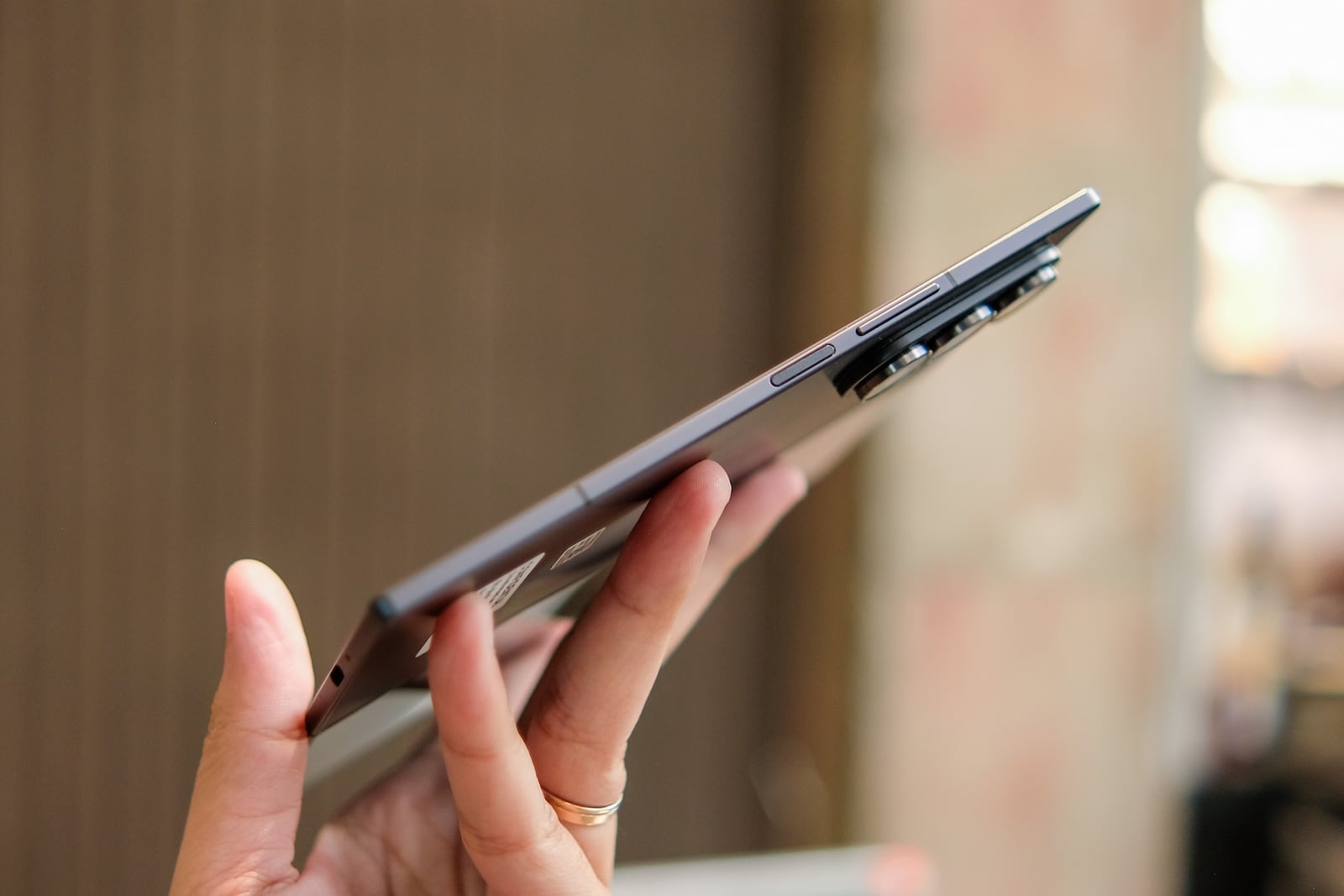
Apple is apparently on the verge of one of the most significant product changes since the iPhone's introduction. Reports indicate the company is working on a foldable iPhone, which would not just be a new variant, but a fundamental redesign of the device's design and use. Observers are already calling it the most substantial redesign in iPhone history.
In the past, there have been several models that were considered game-changers. The iPhone 4 introduced a new understanding of design, the iPhone 6 established larger displays, and the iPhone X ushered in the era of edge-to-edge displays. According to Mark Gurman, however, the upcoming device goes significantly further. He describes the foldable iPhone as a completely new concept, not a classic evolution.
Ming-Chi Kuo also provides concrete details about the hardware, demonstrating that the project is already at an advanced stage. Overall, the impression is that Apple is not simply reacting to a trend, but rather attempting to redefine it.
A new form factor for the iPhone
The key feature of the new device is its foldable design. The iPhone is designed to open like a book. When closed, it remains a relatively compact smartphone, while when opened, it offers a significantly larger screen.
This concept isn't entirely new and is reminiscent of devices like the Samsung Galaxy Z Fold. Nevertheless, Apple is expected to set its own priorities, particularly regarding the integration of hardware and software.
In everyday use, this would mean that content such as videos, games, or applications could be used on a larger display without needing a separate tablet. At the same time, traditional smartphone functionality remains available when the device is folded.
Displays and technical implementation
According to current information, the foldable iPhone will have two displays. The inner display is expected to be around 7.7 inches, almost reaching tablet size. This will be complemented by a 5.3-inch outer display, intended for use when the device is closed.
A key issue with foldable smartphones is the visible crease in the display. Initially, there was speculation that Apple could completely solve this problem. However, more recent reports paint a more nuanced picture. According to these reports, Apple is working on a technology that significantly reduces the crease, but doesn't eliminate it entirely. This suggests the company is opting for a technically feasible solution rather than implementing a concept that is still in its early stages.
iOS 27 and new usage possibilities
The new form factor also necessitates software adjustments. The iOS 27 operating system is to be specifically optimized for the foldable iPhone.
The focus is on features that go beyond traditional single-app use. Multiple applications should be able to be opened simultaneously and displayed side-by-side. The user interface is expected to be more closely aligned with iPad features, especially regarding multitasking. This will create a user experience that lies somewhere between a smartphone and a tablet.
These adjustments are crucial, as the larger screen only offers real added value if the software makes good use of it.
Camera and biometric functions
There are also concrete indications regarding the hardware. According to Ming-Chi Kuo, the device will be equipped with two rear cameras and one front camera. This means Apple is essentially sticking with a familiar camera setup, but adapting it to the new device.
The expected change to the unlocking method is noteworthy. Instead of Face ID, a Touch ID sensor is expected to be integrated into the power button. This decision could be related to the foldable design, as sensor placement is more complex in such a device.
Presentation and pricing
The foldable iPhone is currently expected to be unveiled in September, alongside the iPhone 18 Pro and iPhone 18 Pro Max. However, analysts believe the actual market launch could be delayed. It's therefore possible that the foldable model will be available later than the other devices.
Apple is clearly positioning itself in the premium segment in terms of price. A starting price of around $1,999 or more is expected in the US. This would make the foldable iPhone one of the most expensive devices in the portfolio.
Apple is facing a fundamental realignment
The foldable iPhone could represent a fundamental turning point for Apple. While previous models were important steps in development, this one suggests a genuine reorientation affecting both design and use.
Whether this concept will prevail in the long term depends heavily on its practical implementation. However, it's clear that with this move, Apple is not only reacting to existing trends but also attempting to establish a new category within its own ecosystem. (Image: Shutterstock / Framesira)
- iOS 27: Apple plans major AI offensive with Siri App
- iPhone 18: Smaller Dynamic Island for all models?
- Apple is trying to stop departures with lucrative bonuses
- Apple Watch 2026: No major redesign planned
- iPhone Fold: Market launch follows the iPhone 18 Pro
- iOS 27: Apple opens Siri to Claude and other AI tools
- Apple is pushing ahead with the development of an all-screen iPhone
- Apple is testing a new 200-megapixel iPhone camera
- Apple and Google: New details on the AI deal
- Apple plans new Siri app for iOS 27 and macOS 27
- Apple continues to struggle with the full-screen iPhone
- Apple is pushing ahead with OLED expansion for new generation of devices
- Report: John Ternus spearheaded key iPad innovation
- Apple Maps is changing: Advertising is coming soon
- Apple is working on a sensor for security and automation
- Apple planned HomePod with camera much earlier than expected
- Apple is working on the biggest iPhone redesign of its time
- iPhone Fold: This is how Apple is planning a more stable folding Display
- iPad with A18: Release, performance and new features
- Apple TV and HomePod mini are still waiting for Siri
- iPhone Fold: Release likely planned for December