
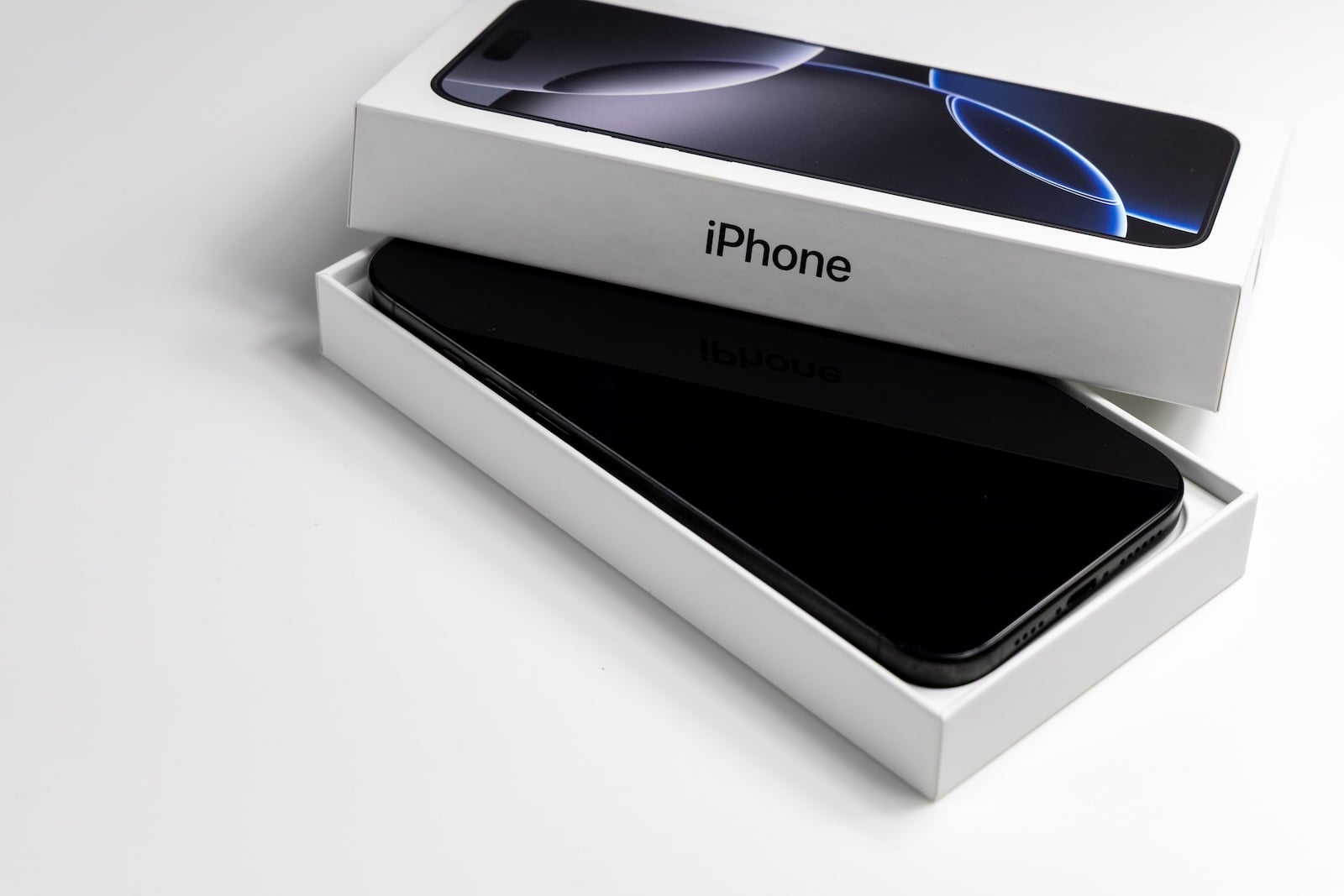
Apple has been working for years to develop an iPhone with a completely uninterrupted display. The idea: no visible front camera, no sensors, no notches. But recent reports show that this goal remains out of reach. Instead of major design changes, it appears that Apple will focus on minor adjustments in the short term.
Expectations surrounding new iPhone generations often focus on visible innovations. A true all-screen design, in particular, is considered one of the next big steps. For this to happen, Apple would have to hide key components like Face ID and the front camera under the display. However, this is precisely where technical difficulties arise, slowing progress and influencing the company's strategy.
Face ID under the display: Development stalls
A recent report from Weibo user Fixed Focus Digital suggests that Apple is encountering significant obstacles in the development of in-display Face ID. The technology apparently isn't yet reliable enough to meet the company's high standards.
This primarily concerns the accuracy and performance of the sensors, which would have to operate hidden beneath a display. Until these requirements are met, complete integration under the screen is not a realistic option.
Focus on smaller improvements rather than major changes
Instead of implementing a completely bezel-less iPhone in the short term, Apple will reportedly focus on gradual optimizations. The focus will be on Dynamic Island, which will be further developed but not removed.
Specifically, this means that the visible elements on the front may be reduced in size, but will essentially remain the same. Apple is thus prioritizing stability and quality over rapid, risky innovations.
Conflicting information about the iPhone 18 Pro
The current leaks surrounding the iPhone 18 Pro models are inconsistent. Earlier reports, including those from Mark Gurman (Bloomberg) and display analyst Ross Young, suggested that Apple might move parts of the Face ID technology under the display. This should reduce the size of the Dynamic Island.
However, more recent statements significantly temper these expectations. The well-known leaker Digital Chat Station stated that the iPhone 18 Pro models could largely retain their current front design. According to him, Face ID and Dynamic Island would remain "largely unchanged.".
This conflicting information suggests that Apple is apparently still in a transition phase and the final implementation is unclear.
Technical challenges remain crucial
Integrating Face ID under the display is complex. Several components must function reliably simultaneously, including infrared sensors, projectors, and cameras. At the same time, the display quality must not be compromised.
This combination places high demands on the technology. This is precisely where the biggest problems currently lie, preventing rapid implementation.
New project: Apple's foldable iPhone
In addition to the developments with the classic iPhone, there are also new details about another product: the foldable iPhone. According to Fixed Focus Digital, this device is described as "ultra-thin, mid-sized, and affordable.".
Within the supply chain, there seems to be a high expectation that the device will sell well. The projected production volumes indicate strong confidence in its market success.
At the same time, a risk is also mentioned: Should the foldable iPhone not reach the expected sales figures, this could have a negative impact on Apple's share price.
Expected timeframe for new models
According to current information, Apple plans to introduce the iPhone 18 Pro, the iPhone 18 Pro Max, and the first foldable iPhone in the fall.
Major design changes to the front are rather unlikely. Instead, a continuation of the existing design language is expected, supplemented by minor technical improvements.
Apple focuses on small steps rather than big leaps
Apple is still significantly behind in its goal of a true all-screen iPhone. The development of Face ID under the display demonstrates just how challenging this step is. In the short term, the company is therefore focusing on cautious development rather than radical changes.
Dynamic Island will remain in place for the time being, although possibly in a smaller form. In parallel, Apple is working on new product categories such as the foldable iPhone, for which expectations are high, but also risks exist.
In the long term, a full-screen iPhone remains a clear goal. However, the path to achieving it is more complex and time-consuming than originally anticipated. (Image: Shutterstock / Caroline Ruda)
- Apple is pushing ahead with OLED expansion for new generation of devices
- Report: John Ternus spearheaded key iPad innovation
- Apple Maps is changing: Advertising is coming soon
- Apple is working on a sensor for security and automation
- Apple planned HomePod with camera much earlier than expected
- Apple is working on the biggest iPhone redesign of its time
- iPhone Fold: This is how Apple is planning a more stable folding Display
- iPad with A18: Release, performance and new features
- Apple TV and HomePod mini are still waiting for Siri
- iPhone Fold: Release likely planned for December
- Are AirPods Max 2 just an interim step? Here's the story
- iPhone 19e: Will 120Hz finally come to the entry-level iPhone?
- MacBook Air: Apple currently has no plans for a touchscreen
- MacBook Neo 2: Apple reportedly plans to focus on performance
- iOS 27 is expected to significantly improve Siri, AI, and Liquid Glass
- iPhone Fold: Apple is about to start important production
- iPhone Fold: New report mentions the iPhone Ultra
- iPhone Fold: New leaks about storage, RAM and price
- iPhone Fold offers multitasking and iPad-like navigation.
- MacBook Neo & Co.: This is what Apple is planning for upcoming devices