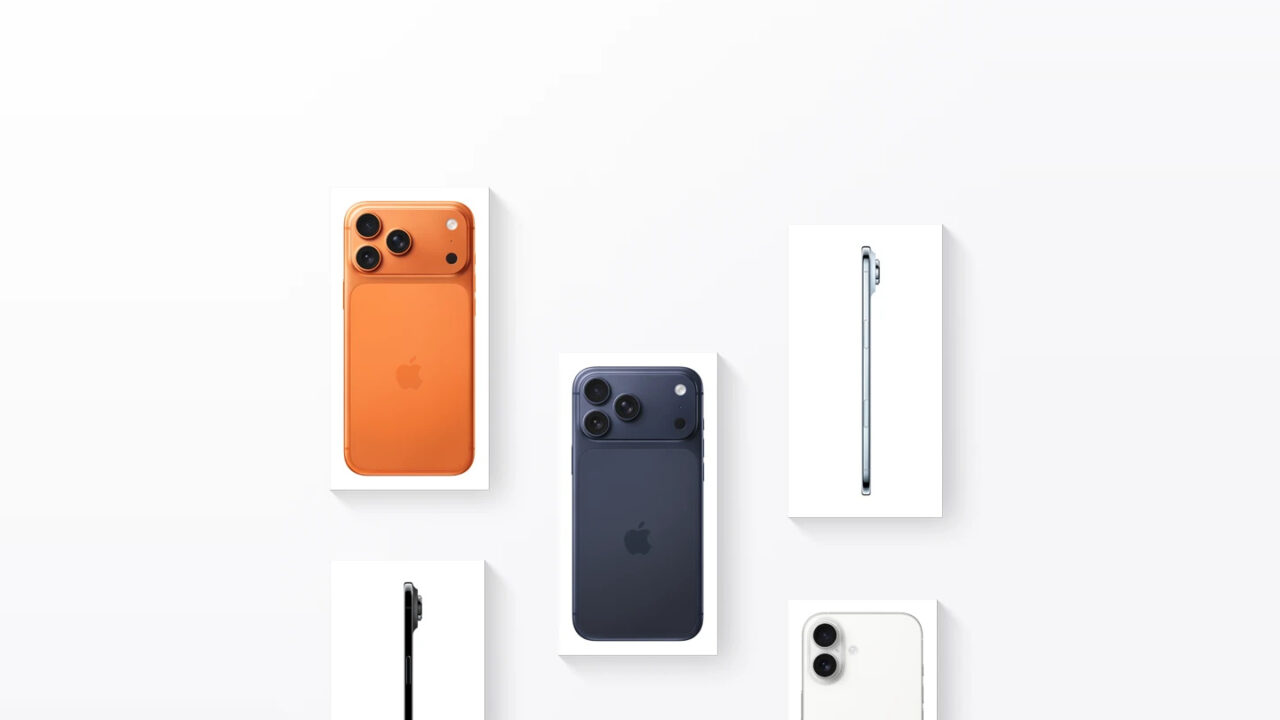
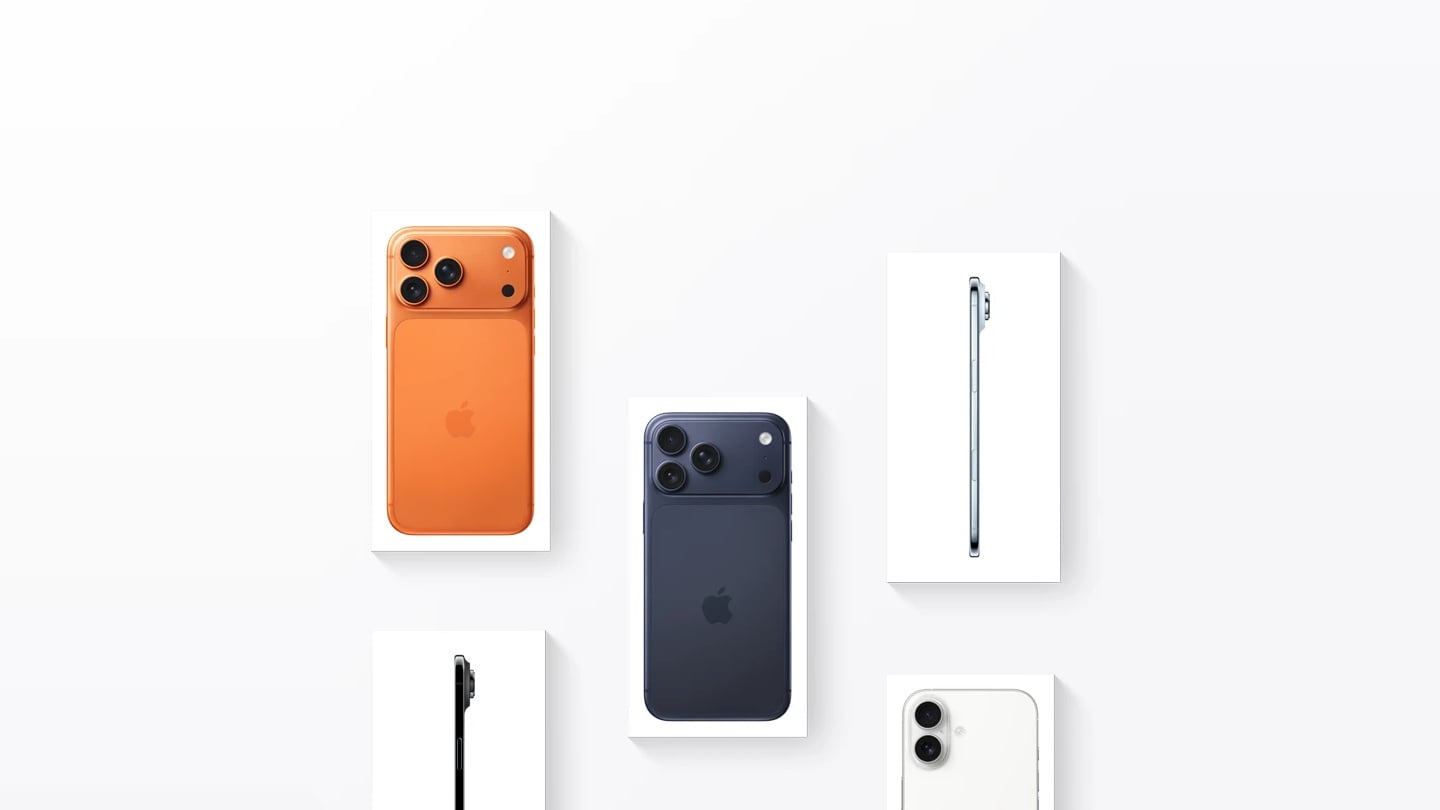
The battery drivers in the latest developer beta list six iPhones that don't yet exist – complete with their internal codenames. The list ranges from the iPhone 18e to the foldable iPhone Ultra, thus covering the entire upcoming generation. However, two models are missing.
Apple released iOS 27 Beta 5 to developers on Monday after a week's delay. References to six devices that the company has not yet announced were discovered in the beta's system files by Macworld. Unlike reports from suppliers, this is code delivered from Apple's own software – thus confirming the existence of the models, but not their specifications.
Key Facts at a Glance
- iOS 27 Beta 5 lists six unreleased iPhone models with internal codenames from V62 to V69.
- The iPhone 18, iPhone 18 Pro, iPhone 18 Pro Max, iPhone 18e, iPhone Air 2 and iPhone Ultra are mentioned.
- The source is located in the system components for battery drivers and battery intelligence.
- This is the first time that the entire next generation appears together in the code.
- The document contains no information regarding equipment, prices, or dates.
Six code names in the battery driver
The identified names fit seamlessly into Apple's internal numbering system. In addition to the devices already available, the beta lists these six entries:
| Code name | Model | Expected start |
|---|---|---|
| V62 | iPhone Air 2 | expected at the beginning of 2027 |
| V63 | iPhone 18 Pro | Autumn 2026 |
| V64 | iPhone 18 Pro Max | Autumn 2026 |
| V67 | iPhone 18 | expected at the beginning of 2027 |
| V68 | iPhone Ultra | Autumn 2026 |
| V69 | iPhone 18e | expected at the beginning of 2027 |
Code names have surfaced repeatedly in previous beta cycles, but usually individually and rarely in such complete form. The fact that an entire product generation is now in a publicly distributed beta is the real difference compared to previous findings.
Why battery management in particular?
The location is no coincidence. The system needs to know the charging curves, capacities, and protection mechanisms of each model before the first device is shipped – corresponding profiles are therefore incorporated into the code early on.
Two other anomalies had already surfaced in this cycle. In June, iOS 27 provided increasing evidence of a foldable iPhone, and in July, a model with two separate batteries was added. Both describe configurations that no current iPhone has, and both fit with a foldable device whose battery cells are distributed across two halves of the casing.
Placed side by side, the three findings form a coherent sequence: first the display fundamentals, then the power supply, now the model assignment. The current discovery is therefore less of a surprise than the final missing piece.
The gap in V65 and V66
What's striking is what's missing from the list. There are two numbers that don't appear in the code, separating the iPhone 18 Pro Max (V64) and the iPhone 18 (V67).
Apple doesn't necessarily assign its internal identifiers consistently, and the findings aren't sufficient for a reliable interpretation. Possible explanations include discontinued development lines, regional variants, or simply numbers reserved for later devices. In any case, the gap doesn't serve as proof of a seventh or eighth model – it's an open question, not hidden information.
Two waves instead of one keynote
The discovery supports expectations that Apple will split the iPhone generation for the first time. The two Pro models, along with the foldable iPhone Ultra, are expected to be released in the fall. The second wave, in spring 2027, will then include three devices: the regular iPhone 18, the iPhone 18e, and the iPhone Air 2.
This significantly shifts the focus of the fall event upwards. The stage will exclusively feature devices above the Pro price point, while the entire mid-range and entry-level segments will be moved to spring – a break with the rhythm Apple has followed since the iPhone X.
A leak at the end of June had already suggested six new iPhone models within a year. The fact that exactly six unreleased devices are now found in the code aligns with this number – although the code reveals nothing about the timing of their release.
What a codename proves and what it doesn't
The difference to a supplier report is significant. A codename in delivered software indicates that a device has progressed internally to the point where the system software is being prepared for it. This is considerably more compelling evidence than an order quantity in the supply chain, which could also refer to a discarded prototype.
What it doesn't show: dates, prices, display sizes, chips. None of that is in a driver profile, and the temptation to build a complete datasheet from a single line of code regularly backfires. Even the association of V68 with the iPhone Ultra remains, until the official launch, a plausible derivation from Apple's naming scheme, not an official announcement from the company.
For you, this means one thing above all: If you're planning on getting a new iPhone this fall, only the expensive models will be available initially. The regular iPhone 18, the successor to the best-selling model, isn't expected until spring – so if you don't want to pay the extra for the Pro version, you'll have to wait half a year longer than in previous years. The anticipated price increases for the Pro and foldable models further exacerbate this situation.
There are only a few weeks until the keynote
Invitations to the fall event are expected in the coming weeks, with the final version of iOS 27 arriving in mid-September. Further betas are likely to surface before then, and experience shows that the number of such discoveries tends to increase rather than decrease shortly before a product launch. So far, the only certainty is what Apple is working on – not when each piece of information will be released. Expectations are most concrete regarding the iPhone 18 Pro, where reports about the camera, chip, and casing have been consistent for months. (Image: Apple)
- iOS 27 Beta 5: All new features at a glance
- Apple Reference Image: iOS 27 is intended to identify photos as authentic
- Ascension: Apple TV orders horror series from Alfonso Cuarón