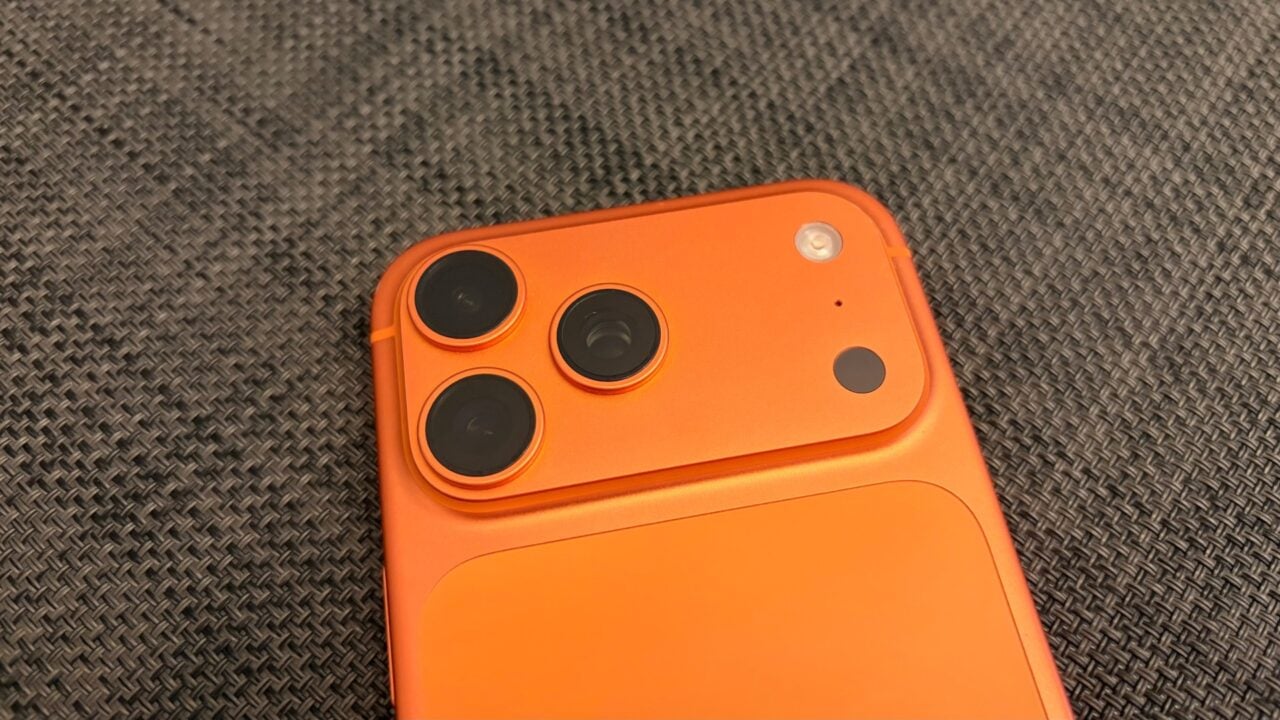
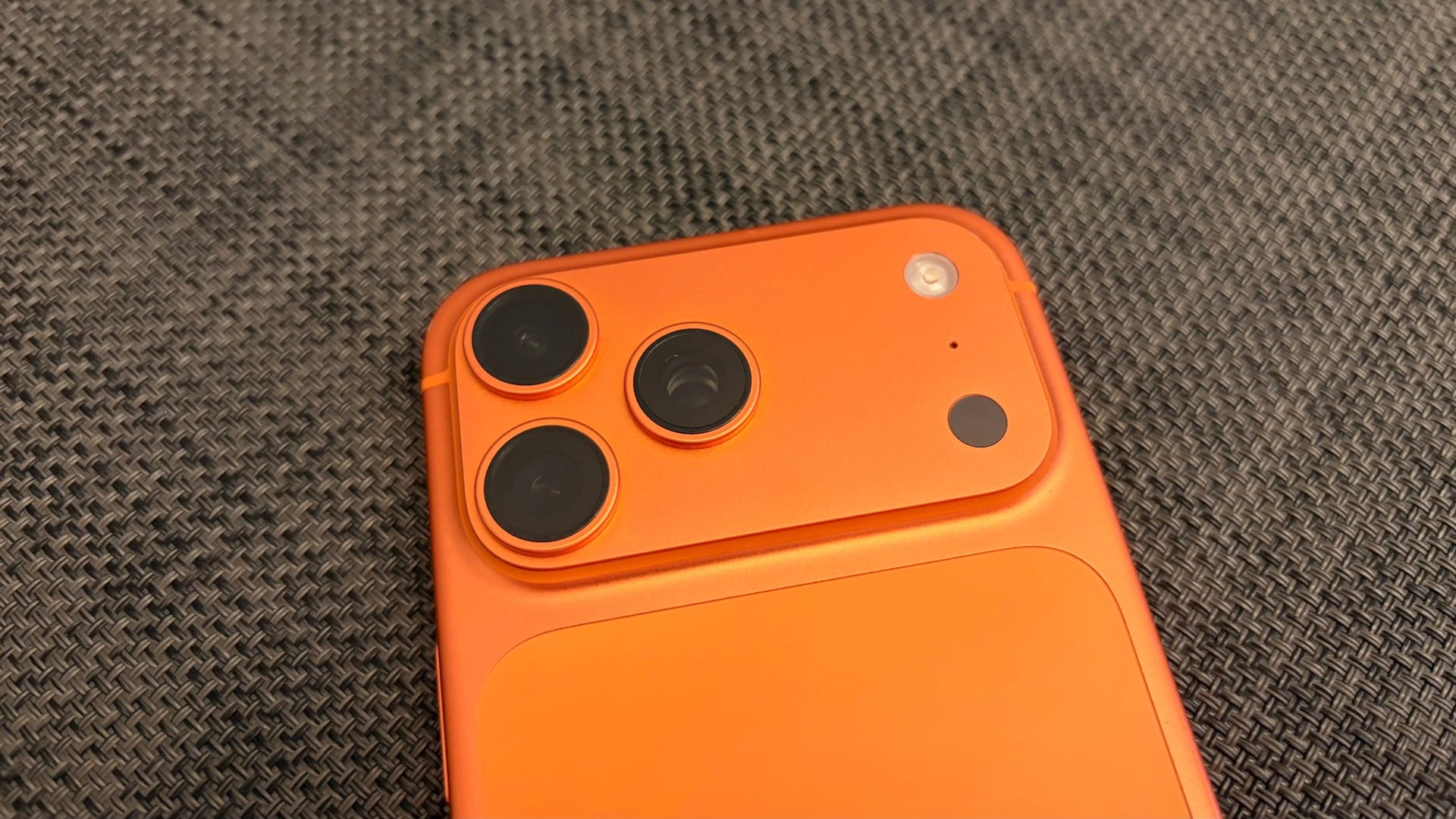
The code in the fifth iOS 27 beta contains a feature that takes the opposite approach to AI-based labeling: Instead of marking artificial images, it verifies that a photo was actually taken with an iPhone camera. The verification process runs on Apple's server infrastructure – without Apple ever seeing the image itself.
The fifth test version of iOS 27 offers little visible change on the surface, as a glance at the ongoing beta cycle already reveals. However, beneath the surface lies a discovery that goes far beyond mere polishing: code snippets point to a feature called Apple Reference Image, which links the origin of a photo to the camera hardware used to capture it. This feature surfaced in an analysis of the beta by 9to5Mac. Apple has not announced it.
Key Facts at a Glance
- Code in iOS 27 Beta 5 references Apple Reference Image, a feature for proving the camera origin of a photo.
- The evidence is based on data that is clearly linked to the image sensor of the recording iPhone.
- A dedicated reference mode must be active when the shutter is released – normally taken photos cannot be confirmed afterwards.
- The analysis is performed via Private Cloud Compute; according to reports, Apple only receives sensor information and metadata, not the raw image.
- The function is disabled by default and not yet activated in the code.
What's in the beta code
This approach differs from what other providers have built so far. Google's SynthID adds invisible watermarks to AI-generated material, while Meta marks recognized AI content in its networks with a notification. Both rely on the artificial image and must reliably recognize it – something such systems regularly fail to do in practice.
Apple Reference Image reverses the burden of proof. Instead of marking the generated image, the genuine image receives verifiable proof of its origin.
| Approach | It starts with | How it works |
|---|---|---|
| SynthID | AI-generated image | An invisible watermark is embedded during generation. |
| Social media tagging | AI-generated image | A notification will be displayed after automatic detection. |
| Apple Reference Image | Real photo | Evidence is bound to the image sensor during recording. |
The idea isn't entirely new to Apple: Back in 2024, the tagging of images from Image Playground already included source information in the metadata. However, this only extends as far as the metadata itself remains intact.
The reference mode must be active before triggering
The most practically significant limitation concerns the timing. Evidence is created at the time the photo is taken, not afterwards. Anyone who takes a photo in normal camera mode cannot later have it verified – the necessary source data is simply missing.
According to the code snippets, the feature will be activated via the camera settings and a dedicated reference mode. The German names for the menu items are not yet known; the feature is not enabled in the beta version, and Apple has not released any names.
The verification process itself is not automatic. A photo taken in reference mode initially only contains the source data. Only when users explicitly initiate the verification process are the raw image and source data sent to the servers for verification; the photo then receives a unique identifier.
How the test should work without access to the image
The processing takes place at Private Cloud Compute, the server environment that Apple built for computationally intensive tasks involving sensitive data, and which has been partially running on Google infrastructure since June. According to the code snippets, only certain sensor information and metadata are sent back to Apple, not the image itself.
One noteworthy feature is the recall mechanism: If Apple concludes that a sensor has been compromised, previously issued certifications for that sensor can be revoked. A certificate issued once would therefore not be a permanent seal, but rather tied to the continued trustworthiness of the hardware.
The principle remains the same when sharing. A verified photo can be shared, and the recipient's Apple devices can locally check whether the verification is still valid – without Apple knowing which images are being viewed there.
What comes with sharing
The amount of data transmitted depends on the method used and whether it is the original, an edited, or a verified version. One point deserves attention: According to reports, those who include all photo data when sharing may also transmit unique hardware identifiers and uncropped material.
A separate option is provided for transferring files via cable to a Mac or PC, which also sends the source data. Even unconfirmed photos may contain hardware identifiers and uncropped material.
Anyone sharing images should therefore make this choice consciously. A hardware identifier that uniquely assigns a photo to a specific device is precisely the information that provides proof – and at the same time, information that one wouldn't want to include in every context.
Why proof of authenticity goes further than an AI label
The transparency obligations of the European AI Regulation have been in effect since August 2nd and require disclosure in cases of deceptively realistic artificial content. They thus address the same issue as SynthID and network identifiers: the creator of the artificial image. This works as long as all parties comply – and fails precisely when faced with those who deliberately circumvent the rules.
A proof of origin tied to the camera hardware reverses this. It demands nothing from the other party, but rather adds something to the genuine image that cannot be replicated. For newsrooms, insurance companies, courts, and authorities, this would provide a more reliable basis.
However, we expect the widespread benefit to remain limited initially. A verification process that must be activated before the image is captured and can only be checked locally between Apple devices offers little practical help – questionable images will inevitably appear in messaging apps, social networks, and search engines, which remain unaware of this feature. The function is primarily conceivable in situations where someone needs to prove an image's authenticity for professional reasons. Until then, skepticism towards individual images remains the more effective approach, as described in our overview of deepfakes and AI-powered fraud.
What can become of the find
Whether the feature will appear with iOS 27 this fall remains to be seen. Code references in a beta version document development work, not a release date – Apple has repeatedly stretched out preparations of this kind across several system generations or abandoned them altogether. Until an announcement, the Apple Reference Image remains a discovery in the underlying system, the significance of which will only become clear when it is accepted by various stakeholders. (Image: Apfelpatient)
- Ascension: Apple TV orders horror series from Alfonso Cuarón
- iOS 27 Beta 5: Apple pushes ahead with the major update
- Apple Immersive: Baseball is shown live on the Vision Pro for the first time