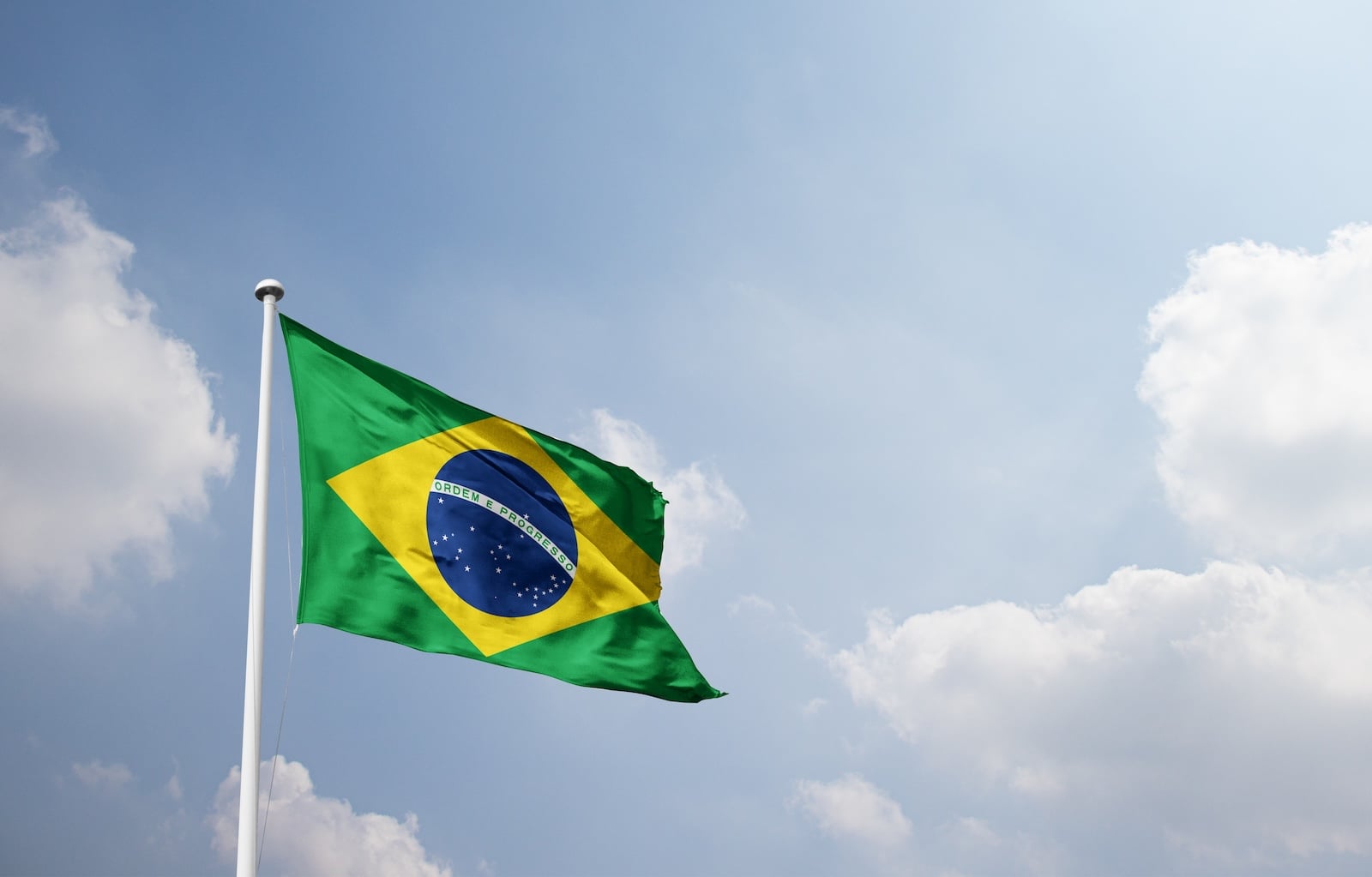
In the iOS 26.5 release candidate, Brazil is newly listed as a supported region for sideloading – alongside Japan and the European Union. With this, Apple is technically implementing the requirements of the Brazilian competition authority, even though the feature will not be active at the update's launch.
What developers find when scouring new beta versions often provides the clearest indication of Apple's true plans. This is exactly what happened at the Brazilian Apple blog iHelpBR: iOS 26.5 RC contains Brazil in its code as a third market where sideloading is supported by the system. While official confirmation from Apple is pending, this move suggests a rollout in the coming weeks.
Sideloading – the installation of apps from outside the official App Store – was available exclusively in the European Union for years, later followed by Japan. Brazil would now be the third market worldwide. This is due to an agreement between Apple and the Brazilian competition authority CADE at the end of 2025, which ended a long-standing antitrust dispute. The country is already considered strategically important for Apple – not least because Brazil is now the second-largest market for Apple TV worldwide.
What can be found in the code
The discovery stems from publications surrounding the iOS 26.5 Release Candidate, which was distributed on May 4, 2026. Brazil is explicitly listed in the RC among the regions where sideloading is supported. The system therefore already recognizes that Brazilian users should receive the alternative app distribution – the technical foundation is in place.
What's still missing is the final activation. Anyone currently using an iPhone in Brazil cannot yet install apps from outside the App Store, even after updating to iOS 26.5. Apple needs to make further server-side adjustments. The step from code entry to actual availability is therefore only a matter of time – the rollout is being closely watched, especially around the time of the public release of iOS 26.5, which is expected in the coming days.
The trigger: the CADE settlement
The background to the code change is an agreement between Apple and the Brazilian Conselho Administrativo de Defesa Econômica (CADE) at the end of 2025. This competition authority had obligated Apple to allow alternative app distribution and third-party payment systems in the country.
The legal proceedings began in 2022 with a complaint from the Latin American e-commerce giant MercadoLibre. Apple was accused of abusing its control over app distribution and payments on iOS. After several years, through rulings and appeals, the parties reached an out-of-court settlement at the end of 2025. The settlement compels Apple to grant Brazilian users key freedoms that have been in place in the EU since iOS 17.4 as a result of the Digital Markets Act.
Apple's well-known position
Apple has maintained a consistent approach to similar changes in the past: adjustments are only made where required by regulations and are accompanied by public statements addressing security and privacy concerns. This was also the case in Brazil. In a statement to US media, the company explained that the changes would introduce new privacy and security risks, while simultaneously maintaining protections for younger users.
The argument aligns with the one Apple already used when implementing EU regulations. There, too, Apple continues to emphasize that sideloading creates additional attack vectors – a point that, in parallel with the recently tightened age verification in the App Store, is likely to have an impact in Brazil as well.
What Brazil is getting – and what's still missing
With this implementation, Brazilian iPhone users will have two key options: installing apps from alternative sources and using third-party payment systems within App Store apps. However, the exact details of how Apple will implement this are still unclear.
In the EU, the company has implemented a comparatively complex model – with alternative app marketplaces, a core technology commission for developers, and multi-stage security audits. Whether Apple directly translates this model to Brazil or formulates its own rules also depends on what CADE accepts in detail. The years-long dispute between Apple and the EU Commission demonstrates just how protracted such negotiations can be.
Apple: A pattern becomes visible
With Brazil becoming the third market after the EU and Japan, it's clear: sideloading is no longer a one-off concession for Apple, but a model the company rolls out regionally depending on regulatory pressure. Other countries like the UK, Australia, and South Korea have similar investigations underway. Whether new code entries will one day appear in an iOS beta version there will likely depend primarily on how quickly the respective authorities reach decisions.
For Brazilian users, iOS 26.5 marks the beginning of a new phase. The technical foundation is in place; now all that's missing is the final approval from Cupertino. (Image: Shutterstock / em_concepts)
- OpenAI brings ChatGPT for Intune to the App Store
- Apple confirms end-to-end encryption for RCS in iOS 26.5
- iOS 26.5 Release Candidate: Final version is imminent
- Mac shortages persist: Hope rests on TSMC's 2-nanometer chips
- Apple unveils the new Pride Collection 2026
- Apple escalates dispute with India's antitrust authority
- WhatsApp is working on Liquid Glass for the chat interface
- Apple Hearing Study: New insights into hearing health
- Apple discontinues 256GB version of the Mac mini
- Tim Cook cites five reasons for the iPhone 17's success
- Apple CFO hints at delay in next iPad
- Apple Q2 2026 Earnings Call: The most important details and division figures
- Apple applies for customs refunds – and plans reinvestment in the USA
- Apple Q3 2026: Guidance promises double-digit growth
- China business: Cook explains why Apple is gaining ground again
- John Ternus: First earnings call appearance as Apple's designated CEO
- iPhone 17: Apple's most popular lineup ever
- Mac lineup is booming: Cook confirms supply shortage of the Mac mini
- iPhone 17: Tim Cook speaks of demand "off the charts"
- Apple Q2 2026: Record quarter with $111.2 billion in revenue
- iPhone 17 Pro and iPhone Air: Charging problem after completely empty battery
- Apple AI is testing multiple solutions in parallel
- Satellite smartphones: Apple clearly dominates the market