One of the world's largest hearing studies has yielded new results – and shows how valuable the hearing features of AirPods can be for understanding one's own hearing health. A surprising link between hearing ability and mobility was also demonstrated.
Apple has been collaborating with the University of Michigan for years on one of the most ambitious hearing studies ever conducted. More than 160,000 participants have registered for the so-called "Apple Hearing Study"—with the goal of gaining a better understanding of how people experience their hearing in everyday life and how hearing loss affects other areas of life. The newly published findings are significant.
One of the world's largest hearing studies
This series of studies is among the most comprehensive data collections on hearing health ever conducted. The sheer number of participants alone makes it a benchmark: 160,000 volunteers in the United States contributed data over several years. Apple provides the technical infrastructure via AirPods, while the University of Michigan is responsible for the scientific analysis.
The results now published are based on two partial analyses with different focuses – and both reveal findings that are surprising in their clarity.
When clinically normal doesn't mean suitable for everyday life
Perhaps the most revealing finding comes from an analysis of approximately 85,000 participants. All were classified as having good hearing according to the clinical standards of the World Health Organization (WHO) – their hearing threshold was 25 decibels or better. Nevertheless, 16 percent of these people rated their own hearing as only moderate or poor.
This discrepancy between clinical measurement and subjective experience is anything but trivial. The study points out that many affected individuals report difficulties understanding conversations with background noise or concentrating on individual voices – precisely the situations that frequently occur in everyday life. Hearing ability classified as "normal" is therefore not automatically suitable for everyday use.
Hearing loss and walking speed are related
A second analysis with 57,183 participants yielded a finding that extends far beyond mere hearing health. The researchers found a clear correlation between poorer hearing and slower walking speed – particularly pronounced in people over 60.
Walking speed is considered an important indicator of mobility and physical health in medicine. A slower pace can indicate, among other things, reduced balance, decreased activity, or the onset of frailty. The fact that this is statistically associated with impaired hearing is medically significant: it suggests that coping with hearing loss affects not only communication but also, in the long term, mobility and thus quality of life.
What this means specifically for AirPods users
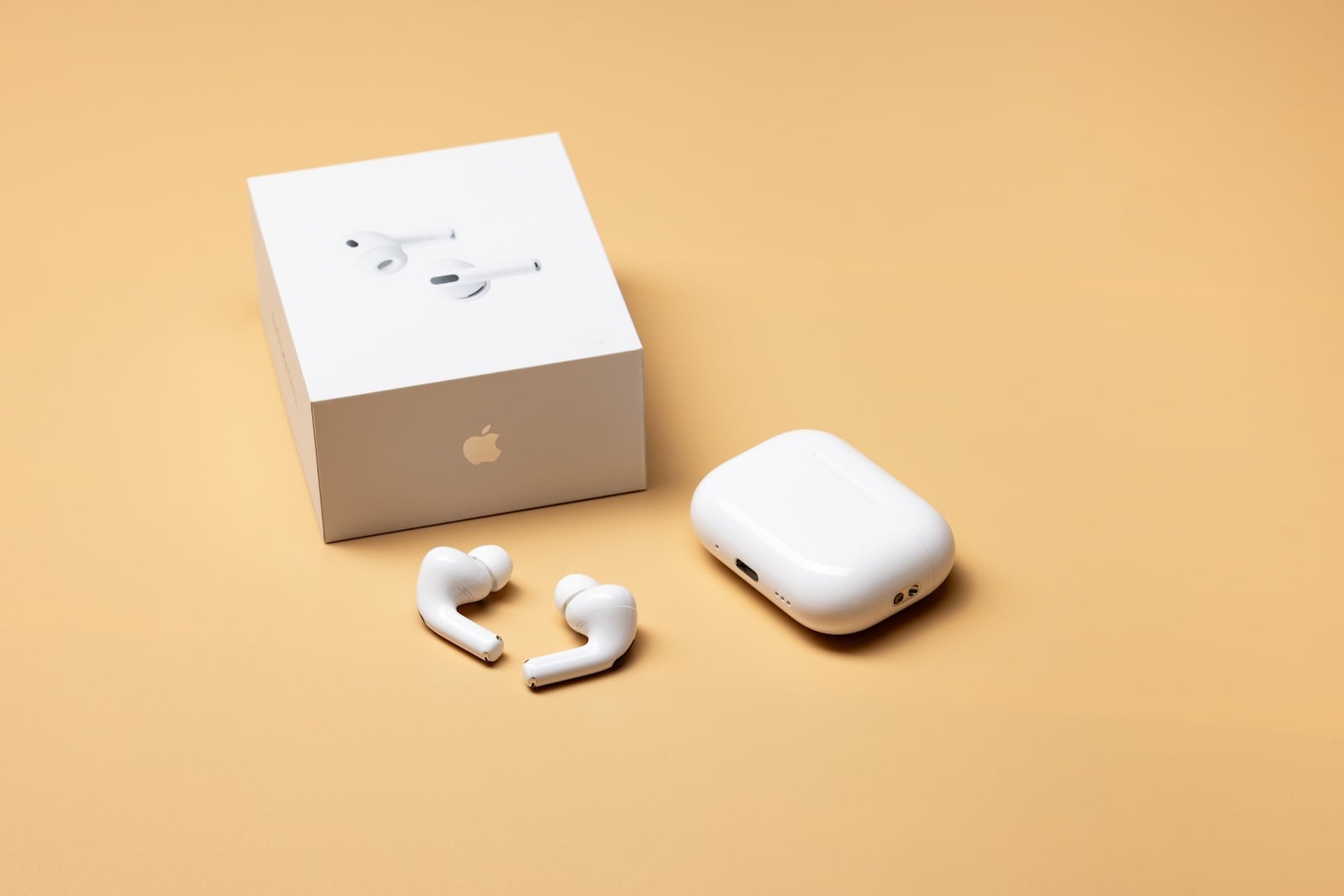
The study concludes with a clear message for users: Regularly monitoring your hearing allows you to detect changes early – even when clinical tests still show "normal" results. This is precisely where Apple's AirPods hearing features come in. With the AirPods Pro 2, Apple was the first company worldwide to receive FDA approval for a hearing aid function – and these features have continued to evolve ever since.
Specifically, three features are available: a clinically validated hearing test that can be performed directly at home in minutes using an iPhone and AirPods; a hearing aid feature for those with mild to moderate hearing loss; and a hearing protection feature that reduces loud ambient noise in real time. These features are integrated into the Health app and allow users to monitor their hearing over months and years.
The current AirPods Pro 3 generation further expands these capabilities – for example, through improved noise cancellation, which makes the hearing test more reliable in noisy environments, and through automatic conversation amplification for people using hearing aids.
Why this study is strategically important
For several years now, Apple has consciously positioned AirPods not just as an audio product, but as a health wearable for the ear. The Hearing Study provides the scientific basis for this. If independent researchers confirm that regular self-tests are medically beneficial, Apple's feature set gains additional weight – both with users who currently suspect no hearing problems and with regulatory authorities in other markets.
Also noteworthy is what the study reveals about the relationship between subjective perception and clinical standards. If 16 percent of nominally healthy adults rate their own hearing as moderate or poor, this implicitly calls into question the rigid WHO threshold of 25 decibels. Apple's approach of bringing a low-threshold self-test directly to the iPhone could fill a gap that neither audiologists nor general practitioners routinely address to date.
Hearing health is becoming a focus for Apple
With the newly released analysis, the Apple Hearing Study delivers more than just statistical data. It reveals a healthcare landscape where subjective perception and objective tests don't always align – and where hearing ability impacts the body far beyond mere hearing. For AirPods users, this makes it clearer than ever that the seemingly secondary features surrounding hearing tests, hearing aids, and hearing protection can offer genuine health benefits. Apple is likely to continue down this path – the study's data provides strong evidence to support this. (Image: Shutterstock / photoschmidt)
- Apple discontinues 256GB version of the Mac mini
- Tim Cook cites five reasons for the iPhone 17's success
- Apple CFO hints at delay in next iPad
- Apple Q2 2026 Earnings Call: The most important details and division figures
- Apple applies for customs refunds – and plans reinvestment in the USA
- Apple Q3 2026: Guidance promises double-digit growth
- China business: Cook explains why Apple is gaining ground again
- John Ternus: First earnings call appearance as Apple's designated CEO
- iPhone 17: Apple's most popular lineup ever
- Mac lineup is booming: Cook confirms supply shortage of the Mac mini
- iPhone 17: Tim Cook speaks of demand "off the charts"
- Apple Q2 2026: Record quarter with $111.2 billion in revenue
- iPhone 17 Pro and iPhone Air: Charging problem after completely empty battery
- Apple AI is testing multiple solutions in parallel
- Satellite smartphones: Apple clearly dominates the market
- Ternus needs to decide on iPhone prices and US production early
- Apple vs. Epic Games: Appeals Court lifts suspension
- Apple TV receives six nominations at the Gotham TV Awards
- UBS raises price target for Apple – shortly before the quarterly results
- Apple Vision Pro: First cataract surgery worldwide successful
- Claude is getting nine new connectors for creative tools
- Ted Lasso Season 4: Starts August 5 on Apple TV
- Apple TV: Survey of subscribers on content and sports
- App Store: New monthly subscriptions with a 12-month commitment are coming