
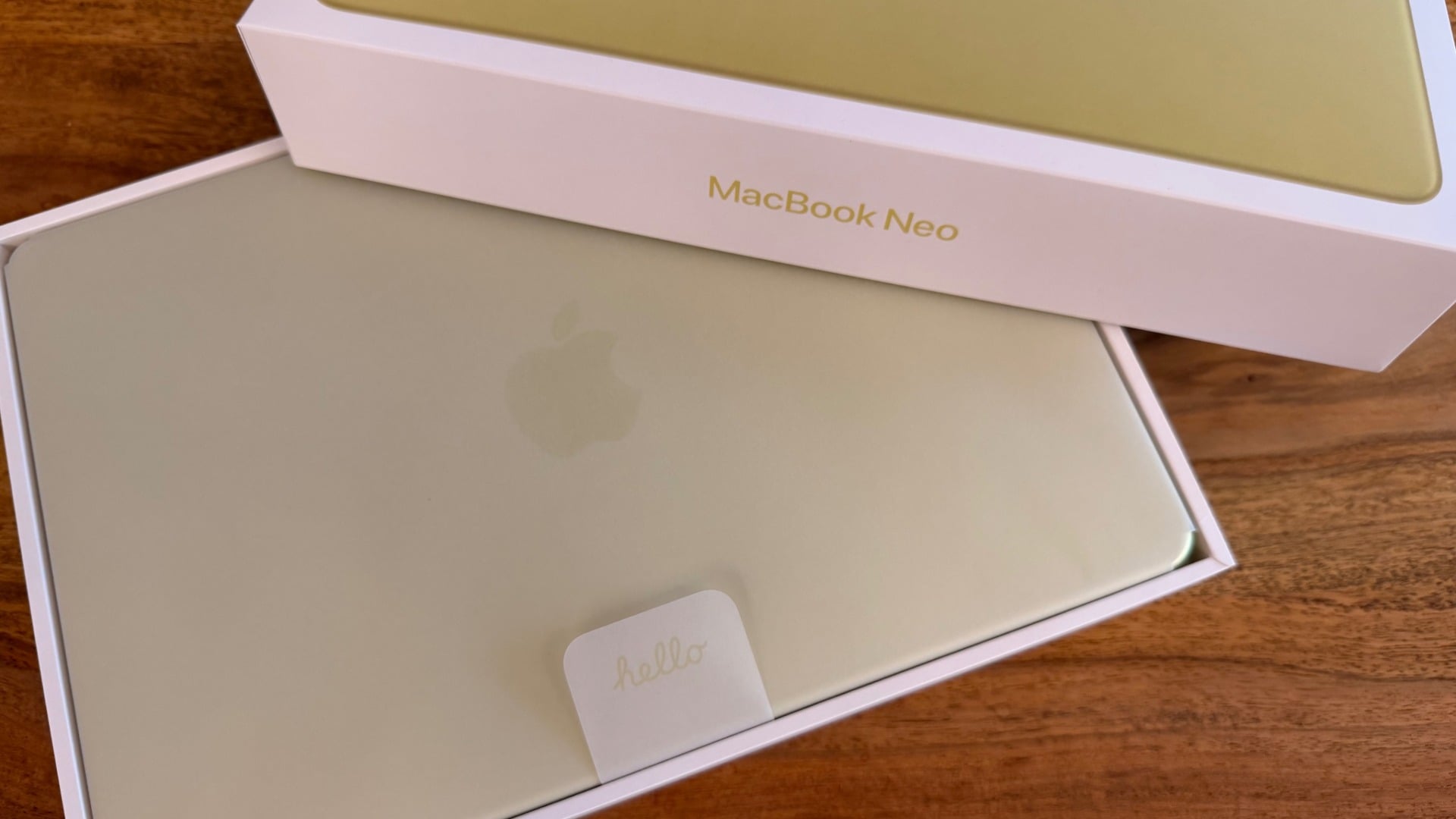
For months, Apple built up a Chinese memory manufacturer to put pressure on Samsung and SK Hynix. The plan has apparently failed - so completely, in fact, that the two Korean companies now have more pricing power than before. The reason lies in a machine that China is not allowed to buy.
Since early summer, Apple has been pursuing a two-pronged strategy: While raising prices for Macs, iPads, and the Vision Pro for end customers, it aims to reduce costs by sourcing components from a new supplier. The candidate for this role was ChangXin Memory Technologies, or CXMT for short, a state-backed manufacturer from China. However, a report by DigiTimes, citing South Korean and Chinese trade publications, now describes the opposite of the desired outcome.
Key Facts at a Glance
- Apple wanted to use CXMT as leverage in negotiations against Samsung and SK Hynix – but the leverage isn't working.
- CXMT is excluded from modern EUV exposure and therefore produces more expensive products instead of cheaper ones.
- When Apple demanded a lower price for LPDDR5X, CXMT refused and remained at the level of the Korean suppliers.
- Huawei and Xiaomi have secured the majority of CXMT capacity through long-term contracts.
- Without a credible alternative, the pressure on Samsung and SK Hynix to lower their own prices decreases.
Why CXMT simply cannot offer a lower price
The core of the problem is a machine. EUV lithography is the most efficient method for manufacturing modern memory chips, but CXMT is barred from using it by US export controls. The company has to resort to older DUV technology.
This technique works, but it comes at the cost of throughput. According to a cost analysis cited by TechTimes, CXMT needs around 30 percent more wafer starts for the same output volume. Each additional wafer costs material, machine time, and personnel.
This reverses the logic Apple had relied on: For CXMT, the price level of Samsung and SK Hynix is not the upper limit they could undercut, but rather the floor. When Apple demanded a cheaper offer for LPDDR5X memory, CXMT refused and kept its prices at or above the level of the Koreans.
Huawei and Xiaomi have long since tied up the capacity
A second point further weakens Apple's negotiating position. According to a report by Digital Daily, Huawei and Xiaomi have secured the majority of CXMT production through long-term contracts at high prices.
A manufacturer whose production lines are already at full capacity doesn't have to take on a new customer – not even if that customer is Apple. The usual power dynamic between Apple and its suppliers simply doesn't apply here.
This is a comfortable situation for Samsung and SK Hynix. Both are shifting production capacity towards high-bandwidth memory for AI servers, further tightening the supply of standard RAM. If, at the same time, the only significant alternative is no longer available, the incentive to lower their own prices decreases.
How the thread has developed since June
The process has been dragging on for about six weeks and has been politically charged from the start: at the end of July, US politicians called on Apple to completely stop using Chinese storage.
| Date | Development |
|---|---|
| June 27, 2026 | Apple is lobbying in Washington for approval of Chinese storage devices |
| June 29, 2026 | A permit is considered difficult to obtain. |
| July 8, 2026 | Apple begins qualifying CXMT chips |
| July 25, 2026 | The dispute over Chinese storage facilities is reaching the political level |
| July 31, 2026 | Tim Cook says the price effect of additional suppliers is unclear. |
| August 6, 2026 | The negotiating leverage is ineffective. |
This explains Cook's cautious wording from the conference call. He had said that more suppliers would help on the supply side, but the effect on prices was unclear – and then added this qualification in the same breath. Anyone who already knew at that point that CXMT couldn't undercut would have phrased it exactly that way.
No relief before September
Regarding the reliability of this report, it's important to note: DigiTimes is simply relaying reports from other trade publications; this is not original research and certainly not an endorsement from Apple. However, the technical explanation is plausible regardless and aligns with Apple's own public statements.
For buyers in German-speaking countries, the practical consequence is inconvenient. According to Apple, the €100 surcharge for the MacBook Neo and the other price increases from June were not a temporary dip. If this last lever for cost reduction now also fails, there is no longer any argument for a reversal – and the question of whether Apple will follow suit with the iPhone in September becomes more likely than not.
Here we leave the source material: We expect that Apple will not sever ties with CXMT. This is supported by the fact that a qualified secondary supplier increases security of supply even without a price advantage, and this is precisely what Cook stated as the primary purpose. On the other hand, there is political resistance in Washington, which could make a long-term supply relationship expensive. (Image: Apfelpatient)
- OpenAI requests that Apple's lawsuit be dismissed in court
- iCloud Private Relay reveals the real IP address
- Ted Lasso Season 4 is here: Ted trains a women's team