
Four weeks after Apple filed a lawsuit alleging trade secret breach, OpenAI is going on the offensive: The company has filed a formal motion to dismiss the case altogether. The allegations are baseless, and ordinary business practices are being taken out of context. Two hearings will now determine the next steps.
The dispute between the two companies has been ongoing since July 10, when Apple filed a lawsuit against OpenAI, accusing the company of harvesting confidential hardware information. Since then, the proceedings have escalated rapidly – from expanding the lawsuit to include more employees to a request for a preliminary injunction. The motion to dismiss now filed is OpenAI's first formal legal response to the lawsuit itself, after previously only issuing public statements. Bloomberg was the first to report on the filing.
Key Facts at a Glance
- OpenAI has filed a motion to dismiss Apple's lawsuit alleging the theft of trade secrets in its entirety.
- Two legal arguments: Apple never specified which information should be considered a protected secret, and never plausibly demonstrated any unlawful conduct.
- The same document concerning Apple's offboarding process is interpreted in opposing ways by both sides.
- OpenAI must formally respond to Apple's request for a preliminary injunction by August 17th; the hearing is scheduled for October 1st.
- The ChatGPT connection in Apple Intelligence is not the subject of the proceedings.
The application is based on two arguments
OpenAI's lawyers argue that Apple has failed to meet the legal hurdle of even identifying tangible trade secrets. As long as it remains unclear what information is supposed to be protected, the accusation is unfounded. As a second argument, the submission states that Apple has not plausibly demonstrated any unfair conduct.
The document states that the lawsuit was filed without sufficient investigation. There is no interest in OpenAI's confidential material because they are building something different from everything Apple is doing.
According to Axios, the submission comprises 31 pages, and variations of the word "fail" appear almost fifty times – the text consistently frames the process as an attempt to conceal its own difficulties. Additionally, OpenAI cites Apple's own security practices: the fact that employees were allowed to use private iCloud accounts for work and that private messages were later viewed on company devices is what created the remaining access rights in the first place.
How the two accused are being defended
Two names are at the center of the controversy. Tang Yew Tan spent 24 years at Apple, most recently as Vice President of Product Design for iPhone and Apple Watch. After leaving Apple, he co-founded the hardware company io Products with former Apple design chief Jony Ive, which merged with OpenAI in July 2025. Today, he is responsible for hardware at OpenAI. OpenAI states that Tan used industry-standard recruitment practices when speaking with Apple employees.
The difference in interpretation becomes particularly clear with a document describing Apple's offboarding process, which Tan had retained. Apple sees it as a tool to circumvent security checks during recruitment. OpenAI reverses this interpretation: Tan intended to ensure that newly hired employees adhered precisely to Apple's exit process.
The second defendant is systems engineer Chang Liu. Apple accuses him of accessing confidential hardware files for weeks after discovering an authentication flaw. OpenAI counters that Liu was merely assisting a former Apple colleague with his own work, citing excerpts from messages the company published earlier this week along with a public response. Apple maintains that it never claims Liu ever shared a file with OpenAI or used it in hardware development.
The dispute in its current course
Apple has recently significantly expanded its lawsuit: The evidence is now said to extend to dozens more employees, and Apple claims its own investigations have uncovered eleven additional former employees. The lawsuit also cites the number of more than 400 former Apple employees who now work at OpenAI. It remains striking that Jony Ive himself does not appear as a defendant in any of the filings.
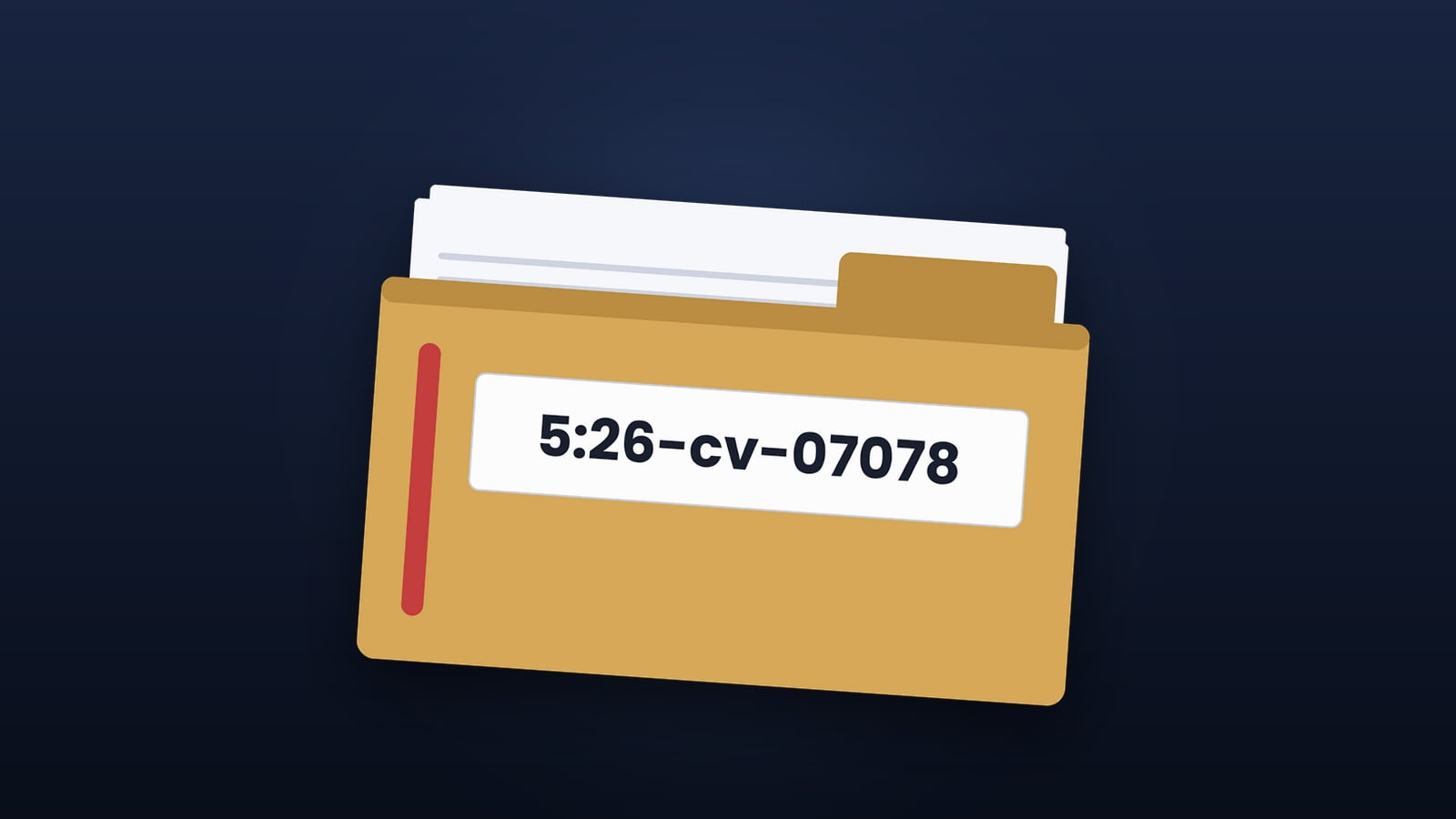
The case is being heard under the name of the first defendant engineer: Apple Inc. v. Liu et al., case number 5:26-cv-07078-VKD, before the Federal District Court for the Northern District of California in San Jose. The fact that the complaint does not include OpenAI in the title is a formality of the order of the defendants – in addition to Liu and Tan, the OpenAI Foundation, the OpenAI Group PBC, and io Products are also defendants.
| Date | Procedure step |
|---|---|
| July 10, 2026 | Apple files lawsuit for alleged theft of trade secrets |
| August 4, 2026 | Apple requests a preliminary injunction and expedited evidence proceedings; OpenAI responds publicly. |
| August 6, 2026 | OpenAI requests that the lawsuit be dismissed. |
| August 17, 2026 | Deadline for OpenAI's formal response to the injunction request |
| October 1, 2026 | Hearing on the application for an interim injunction |
OpenAI reiterated one point in its submission: the accusation that it did not respond to Apple's attempts to contact them in February. The company claims the failure to respond was due to a mix-up of two similar-sounding surnames by Apple's external law firm – an account that aligns with the email glitch that came to light in July.
Nothing changes for ChatGPT on the iPhone
For roughly two years, both companies worked on the ChatGPT integration for Siri before OpenAI's foray into hardware development strained the relationship. This interface is not affected by the proceedings: the lawsuit concerns personnel and hardware development, not the software collaboration.
Users of the connection on a German iPhone can continue using it unchanged – instructions on how to set it up and deactivate it can be found in our guide to ChatGPT integration in Apple Intelligence. Neither Apple nor OpenAI have indicated any intention to modify the existing integration.
Why October 1st carries more weight than today's application
A motion to dismiss is the standard first move by the defendant and, in itself, says little about the chances of success. Our expectation, expressly as an assessment and not a report: A complete dismissal is unlikely, but a partial reduction of the charges is quite possible. Supporting this is the fact that the question of the specific identification of a trade secret regularly becomes a point of contention in proceedings of this kind; conversely, Apple has already submitted message histories and access logs that a court is unlikely to dismiss without hearing evidence.
The more practically relevant date is October 1st. On that day, the same court will hear Apple's application for a preliminary injunction – and thus the question of whether OpenAI can continue working as before during the ongoing proceedings. If this decision is in Apple's favor, it would directly impact OpenAI's hardware plans. The main proceedings themselves are likely to drag on for years; for everyone waiting for the first OpenAI device, the autumn date is a far more concrete milestone. (Image: Apfelpatient)
- iCloud Private Relay reveals the real IP address
- Ted Lasso Season 4 is here: Ted trains a women's team
- Foldable smartphones: Market expected to grow by 20 percent