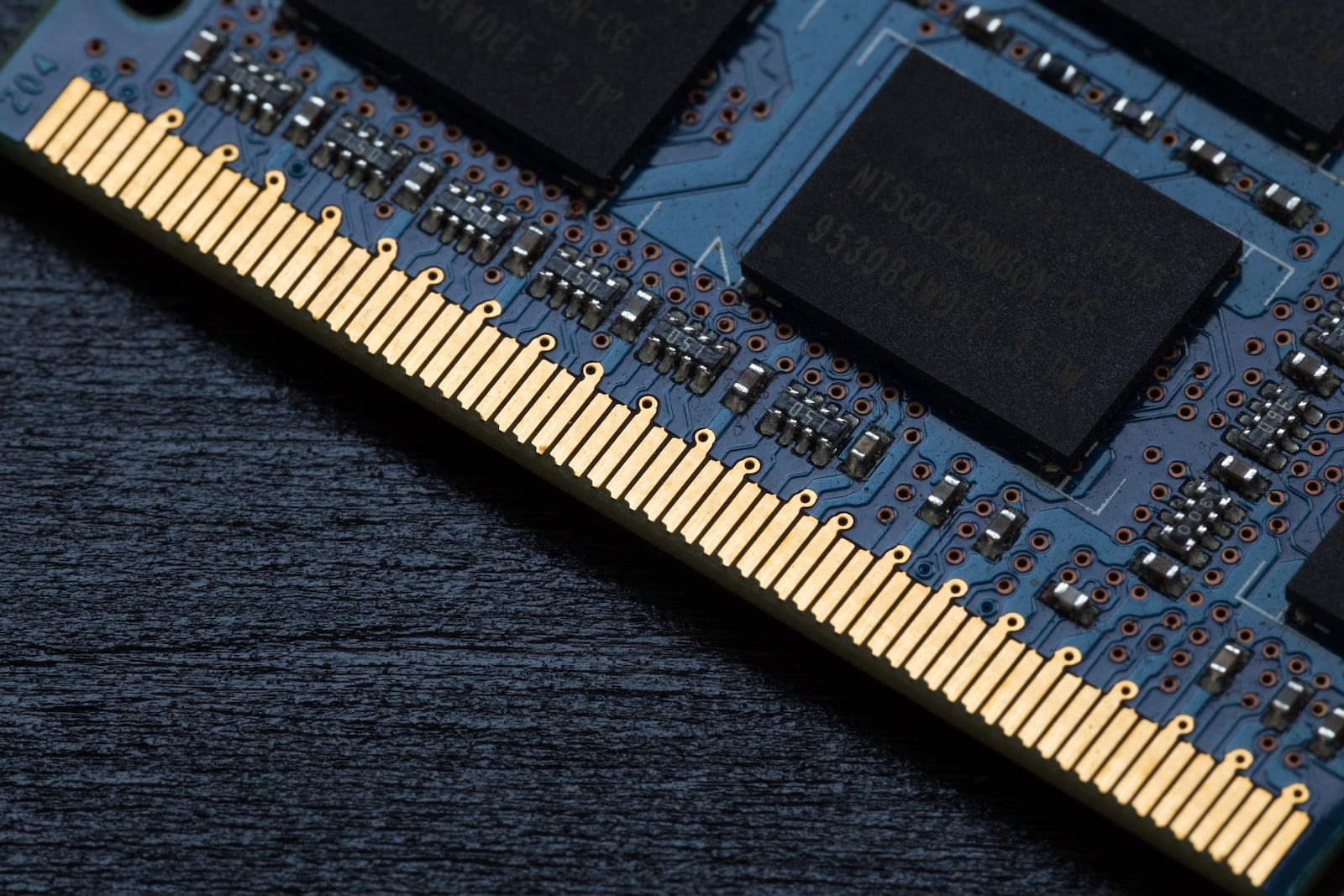
Apple is testing memory chips from the Chinese state-backed manufacturer CXMT – the very component whose global shortage is currently driving up the prices of Apple devices. According to a report, the company has already sent the chips for technical testing. However, nothing is set in stone yet.
The global shortage of RAM recently forced Apple to take an unusual step: The company announced it would be raising prices on several product lines because it could no longer absorb the increased costs. It is precisely in this environment that Apple is searching for new suppliers – and has turned to a provider that is politically sensitive.
From discussion to practical test
According to the Financial Times, Apple is now testing DRAM memory from ChangXin Memory Technologies (CXMT). Last week, it was initially leaked that the company was in talks with CXMT and the Chinese manufacturer Yangtze Memory Technologies (YMTC) about potential suppliers – though no deal had been finalized. The new information suggests that Apple has progressed further with CXMT and is having its chips undergo the technical qualification process that typically precedes approval for mass production.
Apple has not yet made a commitment. According to the report, the company is not yet using the chips commercially – and is simultaneously leading a lobbying initiative among US technology companies to obtain the green light in Washington for wider use of the products.
Why Apple is under pressure regarding storage
The underlying cause is a serious cost crisis. Contract prices for standard DRAM are expected to have risen by an estimated 55 to 60 percent by the beginning of 2026, because the demand for AI servers is diverting enormous quantities from the consumer device market. For Apple, which plans to install even more memory per model in upcoming devices, this exacerbates the situation twofold.
An additional, qualified supplier would help Apple in two ways: as leverage in negotiations with established suppliers like Samsung, SK Hynix, and Micron – and as a safeguard against further price increases due to shortages. CXMT is no lightweight: from a heavily subsidized niche manufacturer, it has become the world's fourth-largest DRAM producer, with around 11 percent of global production capacity – and that figure is rising.
The political catch
As attractive as the price is, the origin is problematic. Both CXMT and YMTC are on a US Department of Defense list of companies with ties to the Chinese military. In practice, this primarily blocks orders from the Department itself, not normal commercial purchases—so legally, nothing prevents Apple from sourcing CXMT chips. However, YMTC is also on a stricter trade list that requires an export license for transactions.
What Apple reportedly wants from the US government is a guarantee that CXMT will not also be placed on this stricter list – which would effectively cut off its supply. This move has a history: a previous attempt with Chinese memory manufacturers failed in 2022 due to resistance from Washington. This time, Tim Cook is said to have raised the issue directly with government officials – but not everyone there is reportedly on board.
Chinese storage for the Chinese market only
For buyers in Germany, one detail is crucial: Cook is reportedly framing the plan in such a way that Chinese memory would be specifically directed into devices for the Chinese market. This would leave more chips from Samsung, SK Hynix, and Micron available for products sold elsewhere. An iPhone sold in Germany would therefore not suddenly contain CXMT memory.
The real benefit for European customers lies elsewhere: If an additional supplier relieves pressure on the global market, the price pressure, which has recently reached Europe as well, will decrease. Whether this will actually happen, however, depends less on technology than on politics in Washington.
Between cost pressures and geopolitics
Apple's move demonstrates how closely supply chains, prices, and geopolitics have become intertwined. The company is trying to protect itself against the storage crisis without making itself politically vulnerable – a delicate balancing act. Whether this practical test leads to a real supply contract ultimately depends not only on Cupertino but also on how Washington reacts to the rapprochement with a Chinese state-owned enterprise. (Image: Shutterstock / Godlikeart)
- Apple loses in EU court: Gatekeeper status confirmed
- Apple expands US chip production with Broadcom
- Cook and Ternus meet with Bavaria's Minister-President Söder
- Claude Cowork is coming to iPhone, iPad and the web
- Nocturne: Apple TV adapts Lars Kepler's bestseller into a film
- China: iPhone discounts put Apple in second place
- JP Morgan raises Apple price target to $345
- iOS 27 Beta 3: These are the new features included
- Edge AI: Apple Watch almost single-handedly dominates the smartwatch market
- Julia Garner stars in Apple's new true-crime thriller
- Epic dispute: Apple wants to pause the App Store process
- Home AI in iOS 27 requires the 2TB iCloud+ plan
- Apple asks via a popup before AI data is sent to Google
- Siri AI arrives on the Apple Watch with watchOS 27 Beta 3
- iOS 27 Beta 3: Development enters the next phase
- iOS 26.6 Beta 4: The testing phase continues
- Why the Mac mini is becoming the preferred AI machine
- Apple and Broadcom extend their chip deal until 2031
- WhatsApp receives a green light for online contacts