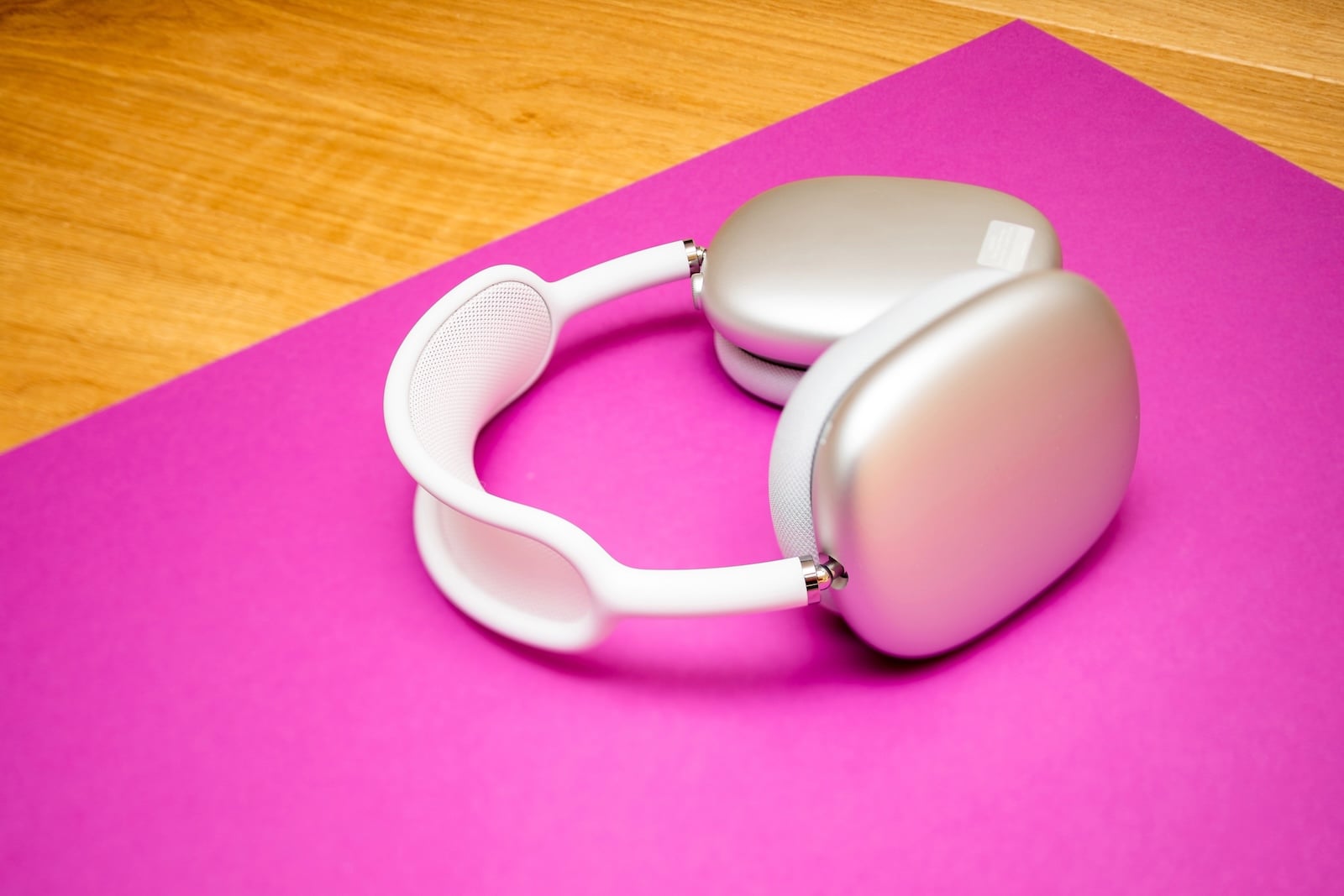
The AirPods Max 2 are available from today – and Apple is already hinting that the built-in H2 chip is far from being fully utilized.
The AirPods Max 2 are officially available in stores today. Outwardly, nothing has changed on Apple's premium over-ear headphones – the real revolution lies beneath the surface. In an interview with TechRadar, Apple's VP of Platform Architecture Tim Millet and Audio Product Marketing Director Eric Treski have now spoken in detail for the first time about the technical background. Their statements make it clear: The H2 chip is not just an upgrade, but a platform with significant potential for future expansions.
Custom-made chips instead of standard products
In the interview, Tim Millet emphasizes a crucial difference between Apple and many competitors: Apple doesn't sell its chips on the open market. This gives the development team the luxury of knowing exactly which product a chip is being created for. Instead of relying on an off-the-shelf component, the H2 was developed from the ground up as a specialized audio streaming processor in collaboration with the acoustics and firmware teams.
According to Millet, the goal is for the AirPods Max 2 to eventually be limited only by the laws of physics – not by a lack of processing power. The H2's processing capacity reaches a level of performance in certain audio areas that, in a general context, even surpasses what a Mac offers. The key here is latency: the human ear is difficult to fool, which is why every process must occur in real time.
AirPods Max 2: 1.5x stronger noise cancellation – without any hardware changes
One of the most striking features of the AirPods Max 2 is the 1.5-fold improvement in active noise cancellation (ANC). What makes this leap particularly remarkable is that Apple hasn't changed a single physical component. No new driver, no additional microphones, no altered case design. The entire improvement is based solely on the increased processing power of the H2 chip and improved algorithms.
In the interview, Eric Treski clarifies that the 1.5 factor is not an exaggerated figure. The improvement is measured across an average of all frequencies – Apple isn't singling out individual frequency bands that perform particularly well. The first reviews of the AirPods Max 2, which consistently confirm the ANC improvements, demonstrate just how significant this difference is in practice.
Adaptive audio and new features thanks to H2
The H2 chip brings numerous features to the over-ear headphones that were previously exclusive to the AirPods Pro. These include Adaptive Audio, conversation detection, voice isolation, personalized volume, and live translation. Treski particularly highlights the latter as a personal highlight. This feature uses beamforming microphones to selectively isolate a person's voice from the wearer—rather than the wearer's own. A technically demanding task that was accomplished without altering the physical microphone architecture.
According to Apple, the crucial factor isn't the individual function, but rather the system's ability to execute all these features simultaneously. The H2 processor is so energy-efficient that, despite the increased processing power, the AirPods Max 2 still achieve up to 20 hours of battery life with ANC enabled. For a detailed comparison of the differences to its predecessor, you can find a comprehensive overview here.
The H2 chip still has reserves
Perhaps the most intriguing statement of the entire interview also comes from Tim Millet. He describes the H2 as a platform that still has room for improvement. Specifically, this means that what the AirPods Max 2 can do today is not their maximum. Future firmware updates could unlock further features, similar to what Apple has already done with the AirPods Pro – where features like the Hearing Health Suite and Adaptive Audio were added over the years via software updates.
Apple is thus pursuing a strategy where powerful hardware serves as the foundation, with software unlocking new possibilities throughout the product's lifespan. Whether this also paves the way for a future AirPods Max model with a new design remains to be seen.
AirPods Max 2: More than just a chip upgrade
The AirPods Max 2 exemplify how Apple defines innovation in 2026: not through radical external changes, but through profound technological advancements beneath the surface. The identical design might be disappointing at first glance, but the combination of a custom-designed chip, significantly improved noise cancellation, and the prospect of further software updates makes the second generation a product built for the long term. Apple's promise that the H2 chip hasn't yet reached its limits should be a strong selling point for future buyers. (Image: ifeelstock / DepositPhotos.com)
- Tim Cook in an interview: "It is definitely still his company"
- AirPods Max 2 available starting today
- Apple patches iOS 18 against DarkSword exploit
- Iran war threatens India's smartphone exports – Apple has the advantage
- MacBook sales in 2026: Apple defies the market slump
- ChatGPT in CarPlay: OpenAI brings AI chat to the car
- Apple declares three devices vintage and obsolete
- NASA Artemis II: Rocket launch is recorded immersively
- iOS 26.5 Beta 1: All new features at a glance
- AirPods Max 2: First Reviews at a glance
- Apple introduces privacy rules for third-party providers
- WhatsApp is testing a CarPlay app with a new interface
- Apple is testing a new audio feature for third-party providers
- Apple is preparing to introduce advertising in Maps with iOS 26.5
- iOS 26.5 opens the system to accessories in the EU
- iOS 26.5 introduces new Subscription features in the App Store
- iOS 26.5 brings E2EE back to beta for RCS
- Apple Intelligence briefly appeared in China without authorization
- iOS 26.5: No new Siri features in the beta
- iOS 26.5 and more: Apple launches the next beta phase
- Apple subsidiary violates Russia sanctions
- Apple hires Google Manager for AI Strategy