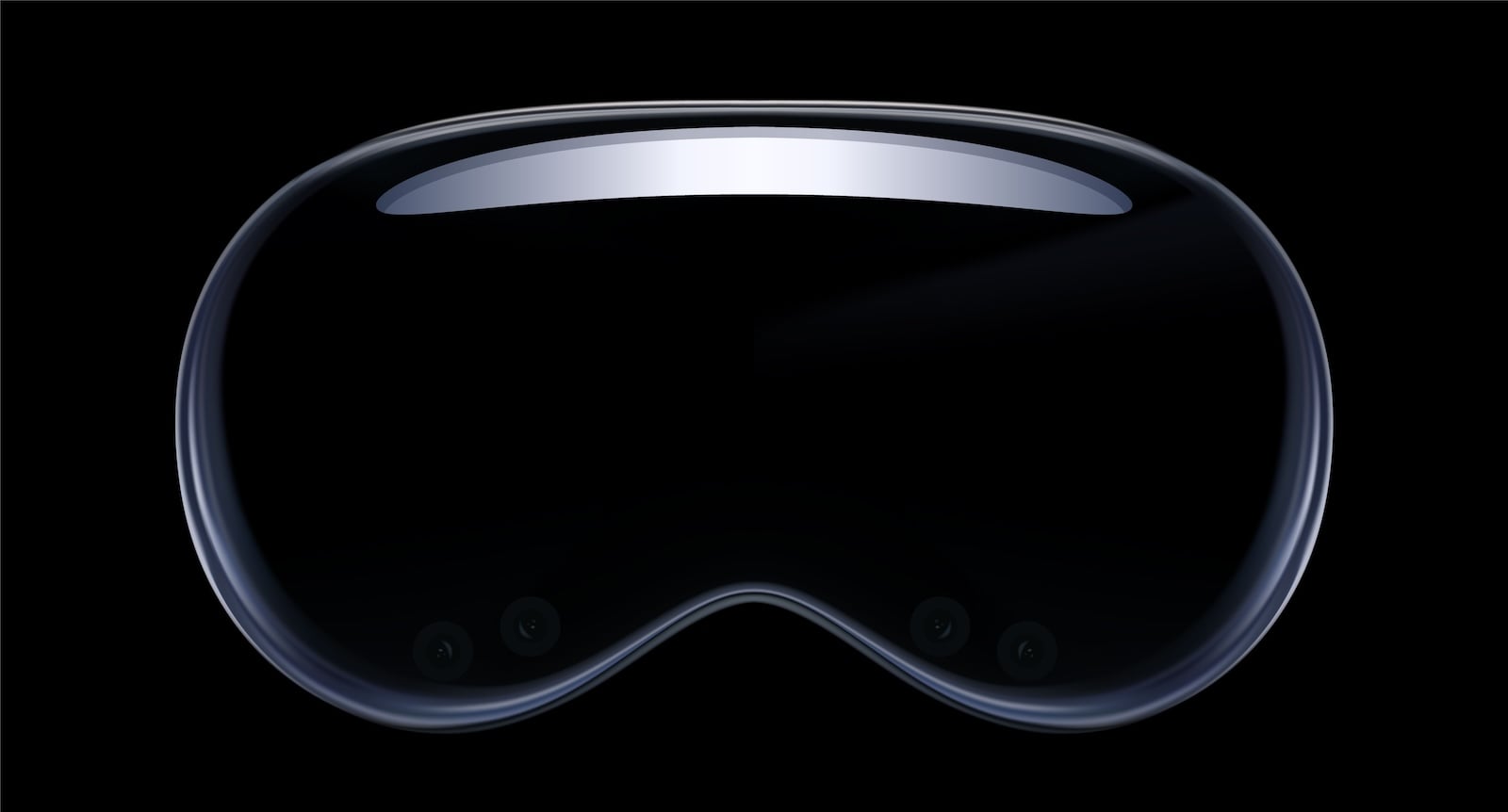
The NASA Artemis II mission is one of the most important space projects of our time. It is not only the first crewed mission in the Artemis program, but also represents a new way of portraying space exploration in the media. The planned rocket launch will be recorded for the first time in an immersive video format developed specifically for Apple Vision Pro. This will change how such an event can be perceived.
Space exploration has traditionally been conveyed primarily through classic video recordings, live streams, and documentaries. NASA Artemis II adds a new dimension. The use of modern camera technology and immersive formats creates a significantly more intense experience. This technological advancement makes it possible not only to see an event like a rocket launch, but to experience it in a way that is closer to reality than previous recordings.
NASA Artemis II: First crewed mission of the Artemis program
NASA's Artemis II mission is planned as a roughly ten-day orbit around the moon. A landing is not planned. The goal is to test key systems under realistic conditions and pave the way for future crewed lunar landings.
This mission differs significantly from unmanned flights. The presence of astronauts adds an extra dimension that is both technically and emotionally relevant. Risks, responsibilities, and expectations are higher than in purely uncrewed test missions.
Recording of the rocket launch in immersive format
The launch of NASA Artemis II is being documented by the company Cosmic Perspective. Special Blackmagic cameras have been installed at the launch site in Florida for this purpose. These cameras are designed to produce images in an immersive format.
The Apple Immersive Video format is used. This utilizes 180-degree stereo video in combination with spatial audio. This creates a significantly enhanced visual and auditory experience compared to conventional video recordings.
The goal of this technique is to depict the scale and intensity of a rocket launch as realistically as possible. Aspects such as the size of the rocket, the force at launch, and the noise level are captured in a way that cannot be fully conveyed by conventional recordings.
Cosmic Perspective and the specialization in space photography
Cosmic Perspective specializes in recording space launches in 3D and immersive formats. The company already has experience with such productions but is increasingly focusing on high-quality immersive content.
Participation in NASA Artemis II represents the company's most prestigious project to date. The mission offers a combination of technical complexity and global attention that is particularly well-suited for immersive filming.
The company has confirmed that production is specifically for Apple Vision Pro and uses the Apple Immersive Video format.
Apple Vision Pro and the expansion of immersive content
Apple is continuously expanding its range of immersive content for Apple Vision Pro. So far, the focus has been primarily on areas such as sports, concerts, and nature documentaries.
The recording of a NASA moon mission creates a new content category. Even though the recording is done by a third party, it significantly expands the spectrum. Space exploration thus becomes part of a growing ecosystem of immersive content.
Why NASA Artemis II was chosen for this format
The choice of NASA Artemis II for an immersive recording is understandable from a content perspective. Unlike unmanned missions, this mission transports people. This increases the emotional significance of the event.
A manned mission brings with it not only technical challenges but also human factors. Aspects such as risk, expectations, and anticipation play a greater role. These elements can be conveyed more effectively in an immersive format than in traditional video formats.
How NASA Artemis II is recombining technology and experience
NASA Artemis II combines two developments: the return of manned missions to lunar orbit and the use of new media technologies. The immersive recording of the rocket launch represents a further step towards making space exploration accessible to a wider audience.
The combination of technological innovation and manned mission ensures that both space exploration itself and its portrayal are breaking new ground. NASA Artemis II thus represents not only progress in space, but also changes in the way such events are documented and perceived. (Image: Shutterstock / BATKA)
- iOS 26.5 Beta 1: All new features at a glance
- AirPods Max 2: First Reviews at a glance
- Apple introduces privacy rules for third-party providers
- WhatsApp is testing a CarPlay app with a new interface
- Apple is testing a new audio feature for third-party providers
- Apple is preparing to introduce advertising in Maps with iOS 26.5
- iOS 26.5 opens the system to accessories in the EU
- iOS 26.5 introduces new Subscription features in the App Store
- iOS 26.5 brings E2EE back to beta for RCS
- Apple Intelligence briefly appeared in China without authorization
- iOS 26.5: No new Siri features in the beta
- iOS 26.5 and more: Apple launches the next beta phase
- Apple subsidiary violates Russia sanctions
- Apple hires Google Manager for AI Strategy
- Apple explains: Lockdown Mode has never been overcome
- Apple tightens rules for Medical Apps in the Store
- iCloud: Why "Hide email" doesn't always protect you
- Mac Pro discontinued: Apple confirms final demise
- Social Media Apps: Court Confirms Addiction Risk
- Apple adds new partners to its Manufacturing Program
- Apple sets new standards in AI image captioning
- Apple reaches settlement with former employee after Vision Pro data theft
- Apple defies weak smartphone market in China