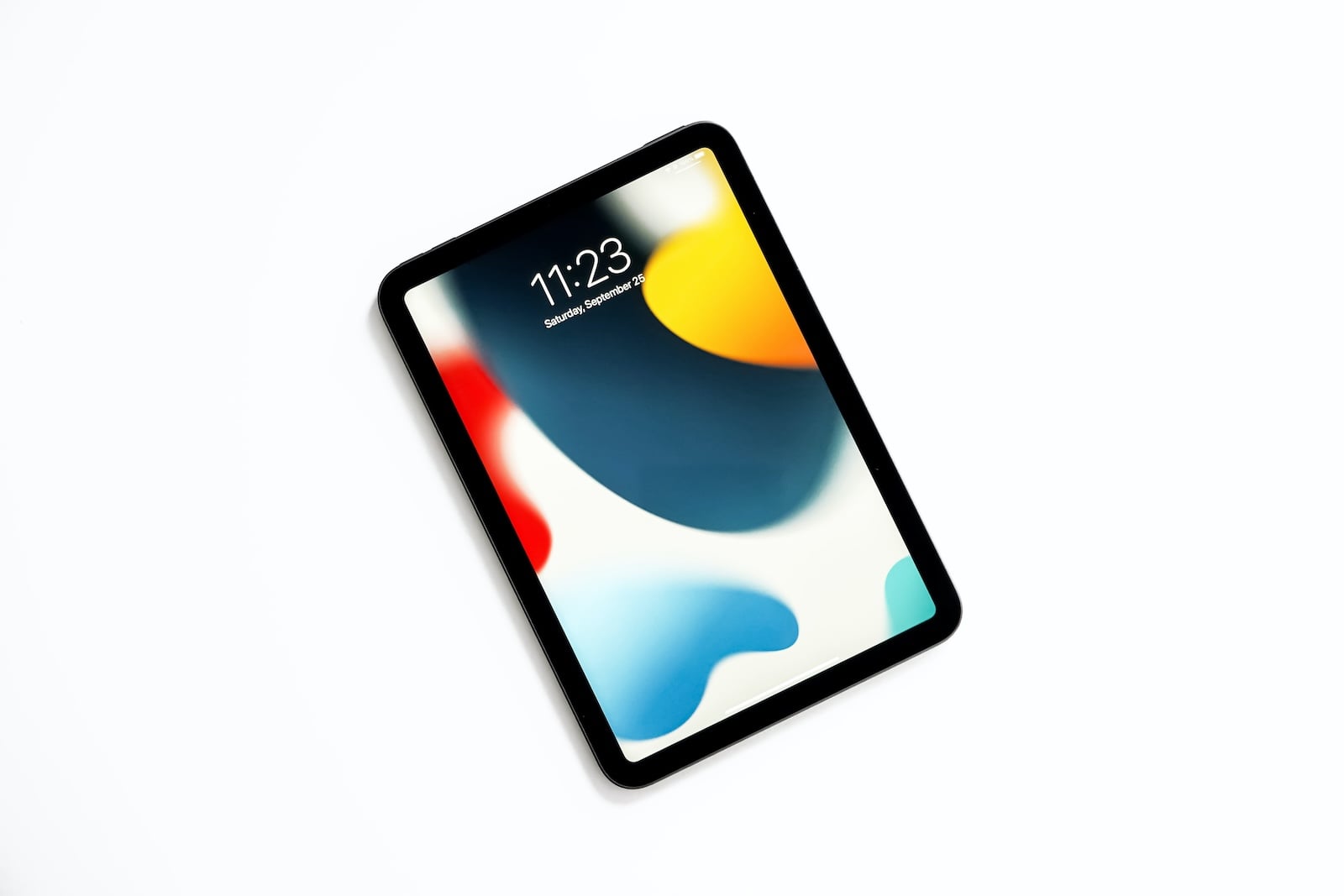
The first iPad mini with OLED is expected to stick with a 60Hz refresh rate instead of getting ProMotion. However, this claim comes from a source with a mixed track record – and a second detail from the same leak doesn't support it as definitively as it initially appears.
A leaker on the Korean blog Naver has revealed details about the upcoming iPad mini. According to the leaker, Apple will use an 8.4-inch hybrid OLED panel with an LTPS backplane, running at a fixed 60Hz refresh rate. This information reportedly comes from Apple's supply chain. For a device expected to launch in late 2026, this would be perhaps the most important undisclosed specification – and the most disappointing answer for many potential buyers.
LTPS or LTPO – everything depends on it
The difference sounds technical, but it makes all the difference to the user experience. The iPad Pro models use a dual-layer OLED panel with an LTPO backplane. This technology allows the refresh rate to be dynamically varied between 10 and 120 Hz – this is the basis of ProMotion. The screen runs smoothly when there is movement on it and reduces the refresh rate to just a few frames per second when static text is displayed. This saves energy.
LTPS panels don't support this dimming. They run at a fixed rate, usually 60, 90, or 120 Hz, and are generally somewhat dimmer than LTPO displays. If the leak is accurate, the iPad mini 8 would therefore not only have the lower refresh rate but also the weaker panel generation.
One detail from the same leak doesn't fit the picture
What's remarkable is what the leaker also provides: the small iPad is already in mass production, specifically on Samsung Display's A2 line at their Asan plant in South Korea. However, this very line produces both LTPO panels and the simpler LTPS panels. Therefore, the production location doesn't serve as evidence for the 60Hz claim.
Furthermore, there's the issue of the sources. The Naver account in question has a mixed track record, and the leak currently stands alone. That mass production of the OLED panels is underway has been confirmed regardless – but that says nothing about the specific panel technology. The supplier itself is equally unsurprising: Samsung and LG are largely splitting Apple's OLED orders this year between them.
60 Hz is not a fluke for Apple
As inconvenient as the news sounds, it wouldn't be a break with Apple's established practice. The company consistently treats ProMotion as a premium differentiator and omits it where profit margins need to be protected. The iPhone 17e demonstrates that Apple will continue to use OLED displays with a fixed 60Hz refresh rate, and ProMotion is also expected to be absent from the iPhone 18e.
The fact that the regular iPhone 17 now offers a 120Hz display fuels the expectation that a newly developed iPad would have to follow suit in 2026. Apple evidently sees things differently and focuses less on current technological trends and more on the size of the respective market. The iPad mini is the smallest niche in the iPad lineup.
Even at 60 Hz, OLED remains an improvement
Despite all the criticism, it's worth taking a sober look at the facts. The iPad mini 7 currently uses a 60Hz LCD. Even an OLED panel with the same refresh rate would offer significantly higher contrast, true blacks, and better energy efficiency. The refresh rate would remain the same – everything else would be noticeably better.
The leak is therefore not disappointing in comparison to its predecessor, but in comparison to the expectations that many had built up after a twenty-month wait.
The price round makes the question more pressing
The timing adds further weight to the matter. At the end of June, Apple raised prices for iPads, Macs, and other products, driven by increased storage costs. A successor that enters the higher price bracket and remains at the 60Hz display limit faces a tougher challenge than one released at the previous price point. How you weigh this against the rest depends heavily on the intended use of the device: those primarily reading will hardly miss the higher refresh rate, while those who draw or scroll will definitely notice it.
Little has been confirmed so far
The only confirmed fact at present is that an OLED iPad mini is in development and panel production has begun. The refresh rate is unknown, as is an official release date. Should Apple unveil the device as expected towards the end of the year, it would be the first iPad mini in over two years – and the display issue will likely determine whether the wait was worthwhile. (Image: Shutterstock / WML Image)
- iPhone 20: Factory apparently ready for glass design
- M6 Pro and M6 Max: AI is the reason for Apple's decision to forgo AI
- M7 Ultra: Up to 1.5 TB of RAM in Mac Studio
- New Apple Pencil with replaceable battery – due to pressure from the EU
- iPhone 17: Report predicts significantly lowered demand forecast
- iPhone Ultra: New leak reveals battery capacity
- Apple is testing significantly larger AI models directly on the iPhone
- iPhone 18 Pro Max: Component costs could rise by almost $300
- More affordable Vision Pro: Display project apparently on the verge of collapse
- iPhone Ultra: Mass production underway, no delays expected
- The iPhone 18 Pro could be noticeably thicker
- iPhone Air 2: First hint of a larger battery