

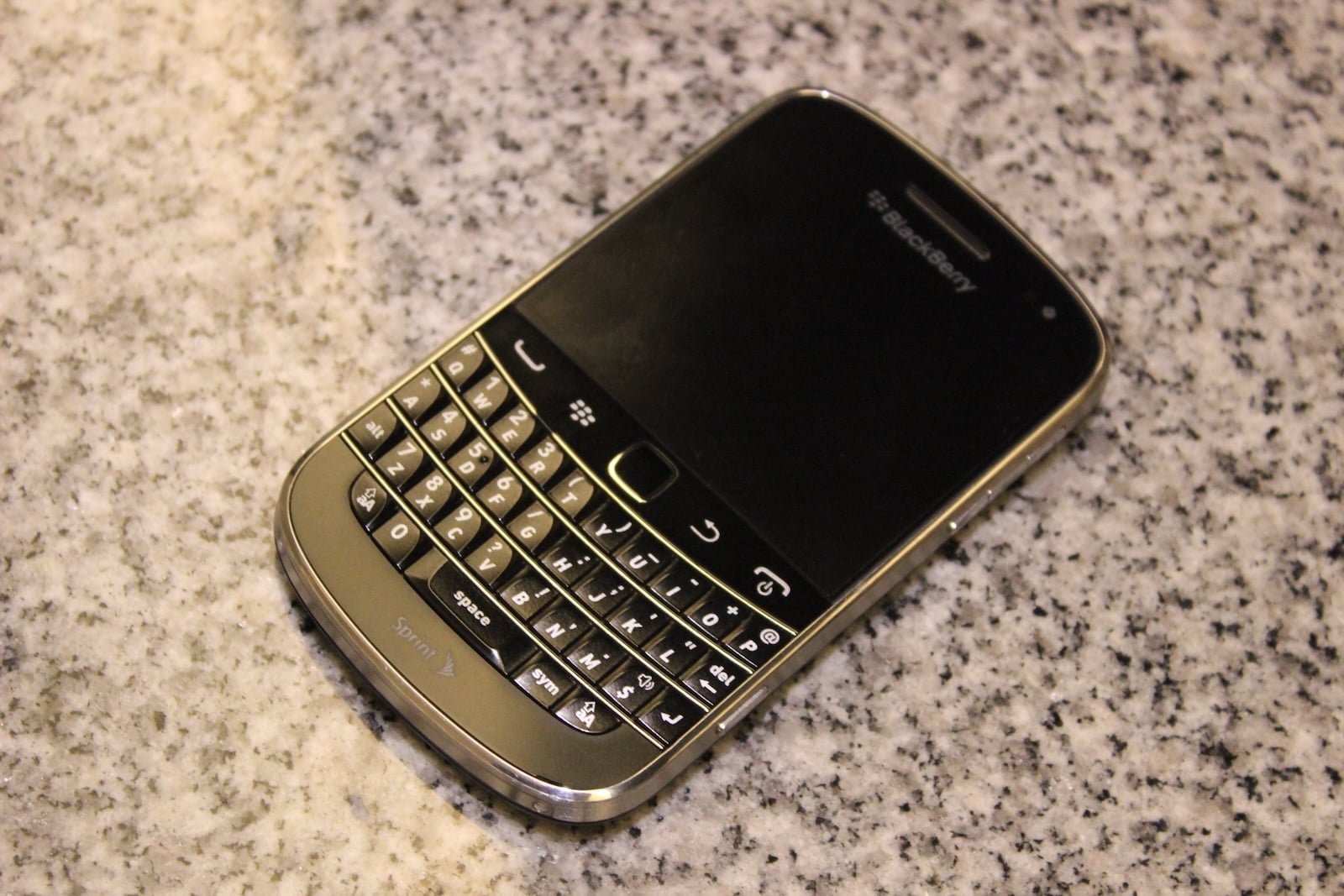
Apple is once again at the center of a patent dispute that, at first glance, seems to have little to do with the company itself. At its core, the case revolves around old licensing agreements with Blackberry, a manufacturer whose smartphones have long since disappeared from the market. Nevertheless, these very agreements are now playing a role in a lawsuit directed against iPhone competitor Xiaomi.
This case shows how strongly past technology deals can influence the present and why even old contracts are becoming a risk for Apple.
Patent disputes are commonplace in the tech industry. Conflicts arise regularly, especially regarding fundamental technologies like mobile communication standards. Companies that own patents try to generate revenue from them, while manufacturers like Apple or Xiaomi rely on licenses to be able to produce their devices in the first place.
In the current case, several interests are clashing: patent firms want to make money, Xiaomi is looking for better negotiating arguments, and Apple is trying to protect confidential information.
Blackberry is gone, but the patents remain
Blackberry ceased smartphone production in 2022. While the company still exists, it has sold its technology patents and previously entered into numerous licensing agreements.
These existing contracts have now become relevant again. Patent law firms want access to the details of these old agreements, especially the terms under which companies like Apple obtained licenses.
Patent firms versus Xiaomi
The focus is on the companies Key Patent Innovations and Malikie Innovations. Both are pursuing Xiaomi for alleged patent infringements.
These companies do not manufacture any products themselves. Their business model consists of managing patents and generating revenue either through lawsuits or licensing agreements. Therefore, they are often referred to as "patent trolls.".
The legal proceedings are underway not only in the US, but also in Germany and India. At the same time, the companies are trying to compel Xiaomi to make licensing payments.
Why Apple is being dragged into this case
Xiaomi wants to know what licensing fees other companies have already paid. This information could help negotiate better terms or contest the demands of patent firms.
For this reason, old contracts between Blackberry and Apple became part of the proceedings. A district court in Texas has already granted Xiaomi access to these documents.
It is unclear which specific contents were disclosed and which were not. However, it is certain that Apple wants to prevent this access.
Apple's arguments in court
Apple has appealed the court's decision. The company argues that access to the documents was granted without sufficient safeguards.
Specifically, Apple had demanded that only external lawyers be granted access to the sensitive information. The court rejected this restriction and instead allowed two internal Xiaomi lawyers limited access.
This is precisely what Apple views critically. According to attorney Joseph R. Palmore, the company would be "severely harmed" if highly confidential licensing agreements were to fall into the hands of internal employees of a direct competitor.
A key problem is the lack of control over how this information might be used later, particularly outside the US. Furthermore, Palmore pointed out that these same internal lawyers are also involved in price negotiations.
He questioned whether it was realistic for these individuals to be able to strictly separate the information they received from their negotiating work.
The reaction of the other side
The opposing side assesses Apple's concerns quite differently. Malikie Innovations' lawyer, Steffan N. Johnson, rejected the arguments and even ridiculed them.
He explained that one might think the court had forced Apple to hand over "the keys to its technological kingdom".
In his view, this is not about highly sensitive secrets like the "Coca-Cola formula" or complex AI algorithms. Instead, it concerns standard-essential patents and their licensing terms.
Standard-essential patents and FRAND
The patents in question belong to the category of standard-essential patents (SEPs). These are indispensable for certain technologies, such as 5G. Without them, devices like smartphones could not be manufactured.
Companies like Apple or Xiaomi have to license such patents. At the same time, patent holders are obligated to offer them on fair terms.
This principle is known as FRAND, meaning "fair, reasonable and non-discriminatory". According to the opposing side, it is therefore common practice for license terms to be disclosed subject to certain safeguards.
Unclear details and possible strategy
It is not known which specific former Blackberry patents are involved in this case. However, since these are standard-essential patents, it can be assumed that several companies, not just Apple, have licensed them.
Therefore, it's reasonable to assume that Xiaomi is trying to collect as much comparative data as possible. This approach is often referred to as a "fishing expedition".
The actual importance of the requested information remains unclear. However, it is certain that it could help Xiaomi in negotiations.
Current status of the proceedings
The oral hearing in the case „Apple Inc. v Key Patent Innovators et al.“ took place on March 19, 2026 and lasted approximately 42 minutes.
The court is currently reviewing the case. A specific date for a decision has not yet been announced.
Apple caught between data protection and competition
The dispute demonstrates that even long-concluded contracts in the technology sector can still be relevant years later. For Apple, the primary concern is protecting confidential information and avoiding potential competitive disadvantages.
At the same time, it becomes clear how strongly patent firms and licensing models influence the market. Companies like Xiaomi try to use every available piece of information to improve their position.
Whether Apple can ultimately prevent access to its old contracts remains to be seen. What is clear, however, is that Blackberry's influence is still noticeable despite its disappearance from the smartphone market. (Image: Shutterstock / royaracer)
- OpenAI develops desktop super app for macOS
- Apple achieves record launch with affordable MacBook Neo
- Apple earned $900 million from AI Apps in 2025
- Apple grows strongly in 2026 despite a weak China market
- Google is working on a Gemini app for macOS users
- Apple Health is getting smarter with AI through Perplexity Health
- Apple extends its 50th anniversary celebration to more countries
- Apple vs. Masimo: Decision on the Watch function
- Apple warns of attacks: iOS update now required
- AppleCare One: Hints of an imminent launch in Europe
- Apple in the crosshairs: Brazil investigates NFC restrictions
- Apple TV expands cast of The Morning Show
- iPhone remains central: Tim Cook sees a great future
- macOS 26.4: These are the most important new features
- tvOS 26.4: Genius Browse delivers better recommendations
- Apple in AI lawsuit: Dispute over data and copyright
- iPhone security vulnerability: Why iOS 26.3 is so important
- iOS 26.4: Family Sharing becomes more flexible with payments
- iOS 26.4 Update: Release Candidate now available
- Apple and China: Conflict overshadows major anniversary celebration
- Apple is scrutiny: Why AI Vibe coding is under pressure
- WhatsApp replaces settings with a new profile tab
- Apple's Home Devices Manager moves to Oura
- iPhone 17e Teardown: New insights into the inner workings