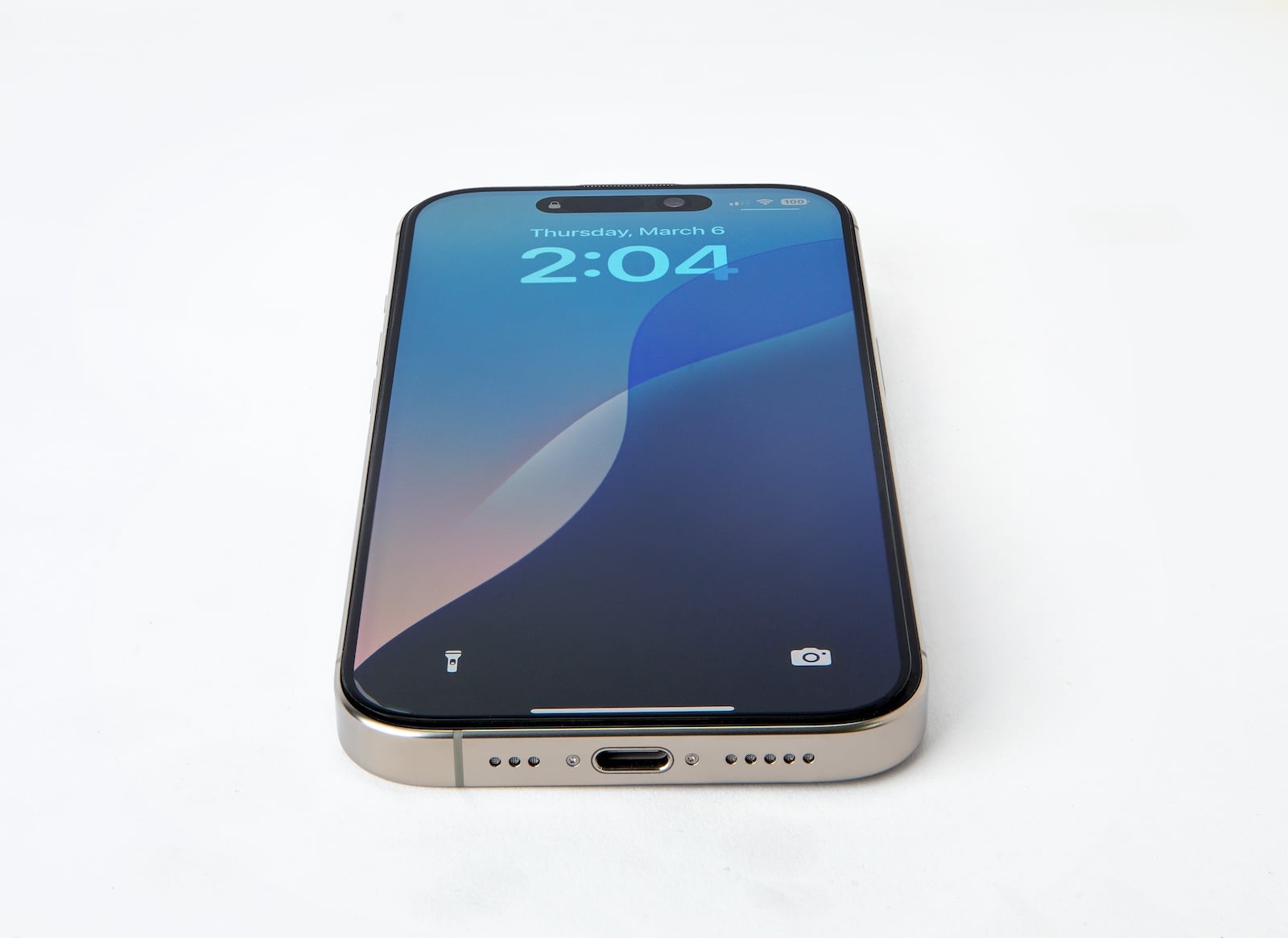
Apple is under pressure in Brazil over potential antitrust violations. The competition authority CADE is investigating whether access to the NFC function on the iPhone is being restricted, thereby disadvantaging other providers in the contactless payment sector.
This case is part of a larger trend: Closed systems like Apple's are increasingly coming under scrutiny from regulatory authorities worldwide. In Brazil, the widely used PIX payment system plays a particularly central role in this.
Starting point of the investigation
The investigation was launched last year following complaints from the Brazilian central bank, Banco Central, and the banking lobby, Febraban. They wanted to determine whether Apple was giving third-party providers less access to NFC technology than its own services, such as Apple Pay.
Apple's argument
Apple rejects the accusations and emphasizes that it is legally permissible to charge fees for its own services. Furthermore, its market share in the Brazilian smartphone market is only around 10 percent.
Furthermore, Apple emphasizes that third-party developers have had access to the iPhone's NFC functionality since 2024. The market for digital payments is generally well-positioned, and Apple Pay harms neither consumers nor competitors.
New request from the authority
CADE has now intensified its investigation and submitted a formal request on the 17th. They are demanding details regarding fees, technical requirements, and contracts with developers (via MacMagazine).
Apple must provide this information by March 30th.
Role of PIX
An important factor is the PIX payment system, which has been in use since 2020 and is the dominant payment method in Brazil. Although contactless payment is now possible, Apple does not implement this feature.
Apple justifies the move by stating that many users still prefer QR code payments. However, authorities view this decision critically.
Further regulatory issues
Additionally, there is the question of whether Apple could be classified as a "Payment Transaction Initiator." This would entail stricter requirements for opening up the system and collaborating with other providers. Apple is apparently trying to avoid this classification.
Apple had previously accused Brazilian banks of targeting the company specifically during the investigation.
Current status
Apple has not yet publicly commented on CADE's new request. The deadline for a response is the end of March.
Apple under increasing regulatory pressure
This case demonstrates how closely Apple and other tech companies in the payments sector are under scrutiny. Access to technologies like NFC, in particular, is becoming increasingly regulated.
The decision by the Brazilian authorities could have implications beyond the local market and influence how Apple designs its system globally in the future. (Image: Shutterstock / Runrun2)
- Apple TV expands cast of The Morning Show
- iPhone remains central: Tim Cook sees a great future
- macOS 26.4: These are the most important new features
- tvOS 26.4: Genius Browse delivers better recommendations
- Apple in AI lawsuit: Dispute over data and copyright
- iPhone security vulnerability: Why iOS 26.3 is so important
- iOS 26.4: Family Sharing becomes more flexible with payments
- iOS 26.4 Update: Release Candidate now available
- Apple and China: Conflict overshadows major anniversary celebration
- Apple is scrutiny: Why AI Vibe coding is under pressure
- WhatsApp replaces settings with a new profile tab
- Apple's Home Devices Manager moves to Oura
- iPhone 17e Teardown: New insights into the inner workings
- Apple releases BSI update for iOS 26.3.1 & Co.
- MacBook Neo: Camera protection without hardware light
- OpenAI officially introduces GPT-5.4 mini and nano
- Apple TV shows new trailer for the comedy "Outcome"
- Apple Anniversary: China is the next big stage
- Tim Cook speaks plainly about Apple, AI and resignation
- MacBook Neo: YouTuber upgrades storage to 1 TB
- Apple AI creates 3D models from just one image