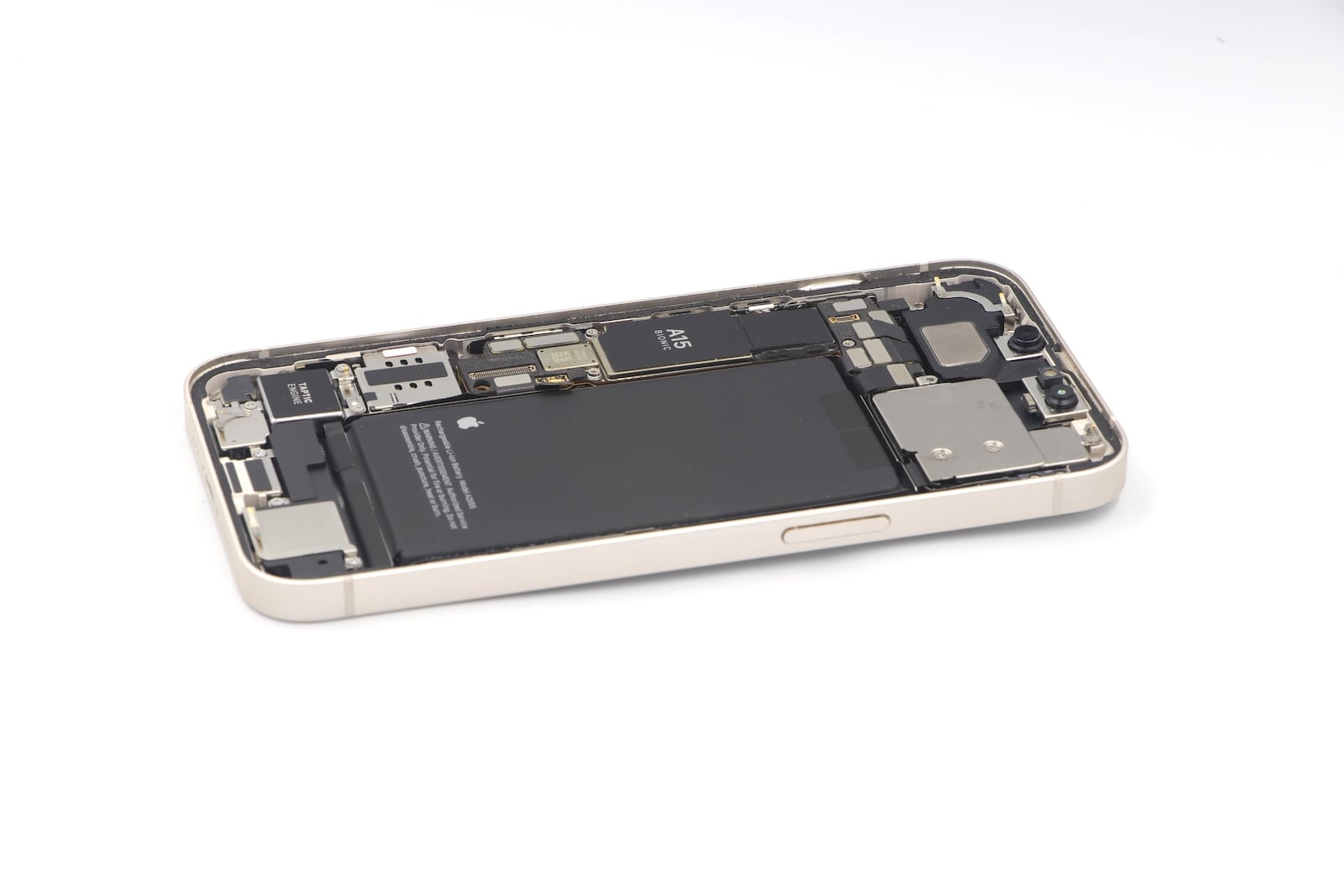
A claim is currently circulating that the EU will force Apple to release an iPhone with a removable battery and a flip back cover starting in 2027. This is not true. While there is a new EU battery regulation, modern iPhones already meet the criteria that exempt them from this requirement.
A rumor is circulating on social media that future iPhones in Europe could once again feature a removable battery compartment – just like mobile phones over a decade ago. There's a grain of truth to this, as a new EU regulation on battery replaceability will indeed take effect in 2027. However, the iPhone is affected differently than many posts suggest. The fact that an iPhone battery can be replaced is nothing new: Through its expanded self-repair program, Apple offers original parts and tools for battery replacement even outside of authorized service centers.
What's currently circulating on the internet
The viral claim, in short, goes like this: Starting in 2027, Apple will be required to sell iPhones in the EU with user-removable batteries – open the back, take out the battery, done. This is spread primarily through short videos and forum posts, often without consulting the actual legal text. And that's precisely the problem: The rule exists, but its crucial exception is being ignored.
What the EU rule really requires
The EU's ecodesign and battery regulations stipulate that batteries in portable devices must be easily removable and replaceable – without special tools and simply enough for an average adult to do it themselves. The deadline for user-removability is February 2027. At first glance, this would also apply to smartphones like the iPhone.
However, a crucial exception clause in Regulation (EU) 2023/1670 exempts devices from the requirement of user-removability if they meet three conditions: the battery retains at least 83 percent of its capacity after 500 full charge cycles and at least 80 percent after 1,000 cycles; and the device is protected against dust and water to at least IP67 standards. Importantly, the battery must still remain replaceable. The exception only applies to those who replace the battery themselves – instead of mandatory user replacement, professional replacement, for example at an Apple Store or via self-repair, is sufficient.
Why modern iPhones are excluded
Apple easily surpasses this threshold. Since the iPhone 15, the company has specified 1,000 charge cycles for the battery at 80 percent remaining capacity, and the current models are IP68 certified – meaning they are even more robust than the required minimum standard. The iPhone 17 Pro Max is already listed in the EU product database EPREL with the 1,000-cycle rating. This qualifies the iPhone as an exception, meaning it doesn't need a flip back.
For everyday use, nothing changes: If an iPhone battery needs replacing, the process remains the same: a visit to the Apple Store, an authorized service provider, or the self-repair program for a DIY replacement. A removable battery cover like those found on earlier mobile phones is not on the horizon.
Why Nintendo is fueling this topic
The fact that the debate is flaring up right now is due to a different device: Nintendo has confirmed that it will offer a revised Switch 2 with a user-replaceable battery in the EU. However, the reason isn't a special arrangement against Apple, but simply a different legal situation. The Switch 2 is neither a smartphone nor a tablet and falls under the EU Battery Regulation (EU) 2023/1542. No suitable exemption clause is available to Nintendo – and since the console offers no water resistance, the long-life exemption couldn't be used anyway. Nintendo must therefore comply with the regulations, while the iPhone does not.
Who the new rule could really affect
The regulation poses less of a problem for large manufacturers than for smaller suppliers. Those who lack the resources to redesign a device specifically for the EU market might prefer to withdraw certain products from sale altogether rather than adapt them to the rules. In the short term, this could therefore reduce the selection available in Europe. In the long term, however, the situation should normalize again, as future devices will be designed with the legal requirements in mind from the outset.
Much ado about a rule that Apple has long since complied with
The new battery legislation is real, but its impact on the iPhone remains minimal. Apple has already met the conditions for the exemption through long-lasting, waterproof batteries and an existing repair service, even before the deadline takes effect. There's no question of a forced redesign – the viral predictions of a flip-up iPhone back remain just that: a rumor.
The best products for you: Our Amazon storefront offers a wide selection of accessories, including those for HomeKit. (Image: Shutterstock / Orapruek)
- Apple Ring: All the rumors at a glance
- iPhone Air 2: All the rumors at a glance
- iPhone Ultra (iPhone Fold): All rumors and facts at a glance
- iPhone 18 Pro: All the rumors at a glance
- Apfelpatient Weekly #13
- Apple Watch Series 12: All the rumors at a glance
- AirPods Ultra: All the rumors at a glance
- Apple Maps in iOS 27: An overview of all new features
- Apple TV in July 2026: All the highlights at a glance
- iPhone 18e: All the rumors at a glance
- Apfelpatient Weekly #12
- iPhone 18: All the rumors at a glance
- Mac Studio M5: All the Rumors at a glance
- MacBook Ultra: All the rumors at a glance
- iPad mini 8: All the rumors at a glance