OpenAI's first in-house device is expected to be about the size of a hockey puck, include a battery, and cost between $300 and $400. It will also be mobile – and its shape is intended to refute Apple's theft accusations.
Rumors that OpenAI's first device would be a speaker with a camera surfaced as early as mid-July. A new report by Mark Gurman for Bloomberg now provides more details, including specific figures and a description of the device's form factor. Gurman is considered one of the most reliable sources within the Apple ecosystem and is consistently accurate regarding product details from the supply chain; however, a launch date is still missing, and OpenAI itself has not commented on any of the points.
Key Facts at a Glance
- The price is reportedly expected to be between $300 and $400.
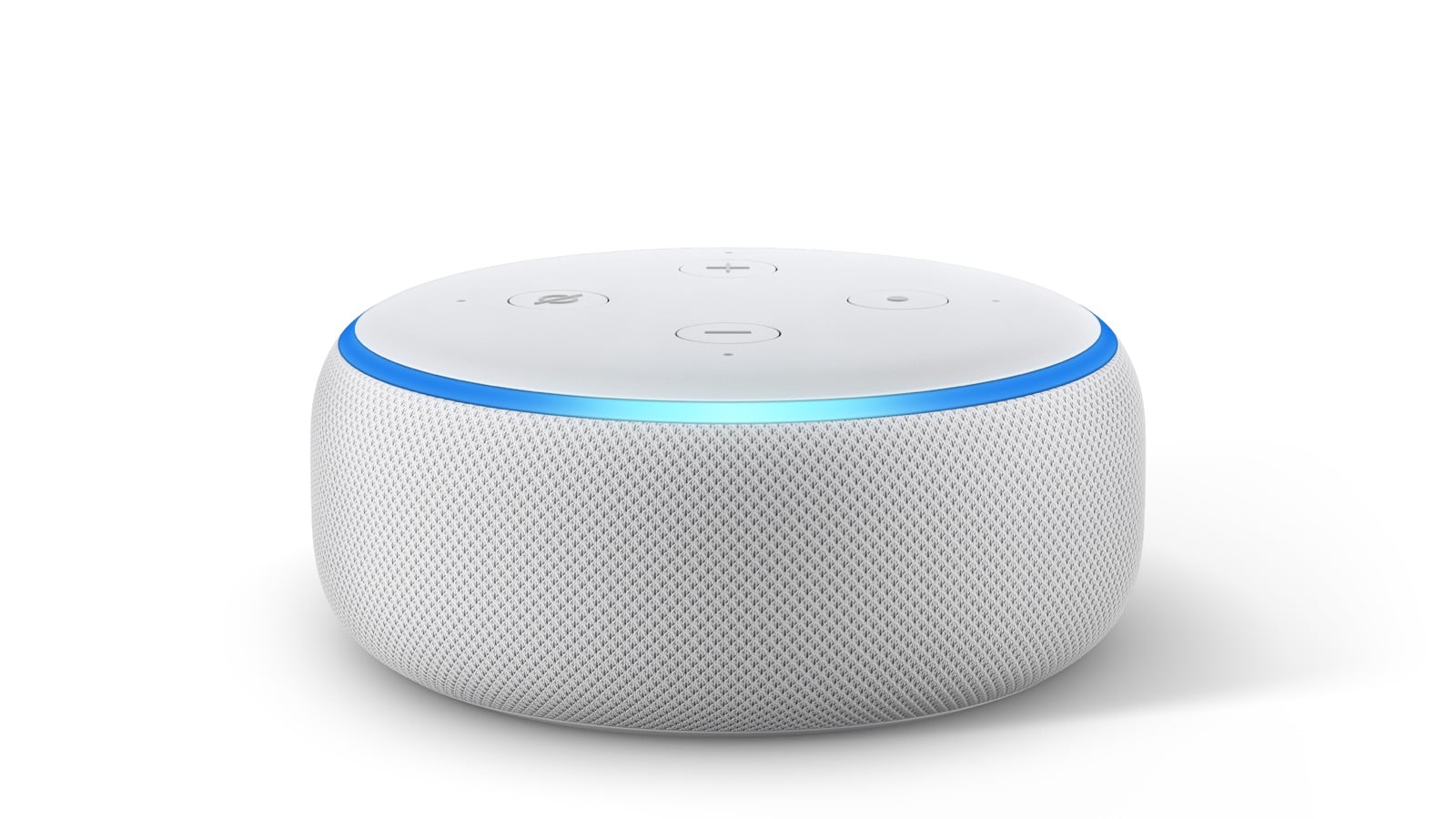
- The form factor is described as a donut, roughly the size of an ice hockey puck.
- The device is said to do without a display, but will include a camera, microphones and a battery.
- Parts of the casing should be able to move on their own in order to react to users.
- The design was therefore created in collaboration with LoveFrom, Jony Ive's company
What is being reported about the device
| Detail | Information according to the report |
|---|---|
| Design | round, donut-shaped, without a display |
| Size | about like an ice hockey puck |
| power supply | Battery, portable use |
| Sensors | Camera, microphones, speaker grille |
| Special feature | moving housing parts |
| material | high-quality metals |
| Price | 300 to 400 dollars |
| Design | together with LoveFrom |
| Date | open |
The device is intended as an assistant for daily life, comparable to the voice function of ChatGPT on the iPhone, but with more powerful models. Over time, it is designed to adapt to its user.
Two features set it apart from other speakers. The battery makes it portable, while the HomePod and HomePod mini are permanently plugged into a power outlet. And no other speaker in this class has yet featured moving parts – the report doesn't explain exactly how they're supposed to work.
Form as an argument in legal disputes
The most remarkable part of the report doesn't concern the technology. Sources familiar with the matter indicate that the device is expected to refute allegations that OpenAI used Apple's trade secrets. Following the lawsuit, OpenAI reportedly conducted an internal review to determine whether any proprietary Apple knowledge had been incorporated into the product.
This review would have taken place within a few weeks – Apple only filed the lawsuit in mid-July, and shortly thereafter extended it to include dozens of employees. By comparison, similar investigations in major patent cases typically take months.
Furthermore, it is not legally certain that a different casing would resolve the allegations. The original lawsuit concerned, among other things, a metal finishing process – that is, manufacturing knowledge, not design. A donut-shaped device made of high-quality metal would not automatically be exempt from this. OpenAI recently filed a motion to dismiss the lawsuit.
One detail remains striking: Jony Ive does not appear as a defendant in Apple's lawsuit, even though his company helped design the device. Why Apple is excluding him was already the subject of speculation in July.
Why the dollar spread says little about Germany
The mentioned $300 to $400 is a US price before taxes. A European price cannot be derived from this – in addition to German VAT, there are customs duties, certification costs, and the markup that manufacturers regularly add for European markets. Apple demonstrated in June how different this can be: the US price of the Apple TV rose from $129 to $199, while the German price increased from €169 to €229.
It also remains to be seen whether the device will even be available in Europe anytime soon. OpenAI regularly excludes the European Economic Area, Great Britain, and Switzerland from new features initially – most recently with the public release of ChatGPT sites and the health service. For a device with a permanently active camera and microphones, the data protection review is likely to be more complex than for a software function.
What could be behind the timing of the report?
The report appears in the middle of an ongoing legal proceeding, and it conveys a message that benefits OpenAI: the device looks different, therefore nothing was copied. The report doesn't identify who leaked the information – but its timing is no coincidence.
This changes little for the technical evaluation. A battery-powered speaker with a camera in this price range would be a direct attack on a segment where Apple is present with the HomePod mini and Amazon with the Echo devices – only without the need for a power outlet and with a significantly more expensive entry point.
None of this has been confirmed yet. Neither the price, nor the design, nor the release date have been confirmed, and with a product that is supposedly launching an entire line of devices, many things can change before its unveiling. (Image: Amazon)
- iPhone 18 Pro: Delivery times could be excessive at launch
- iPhone 20: All models are expected to get larger displays
- iPhone Ultra: Production line is up and running, delays are off the table