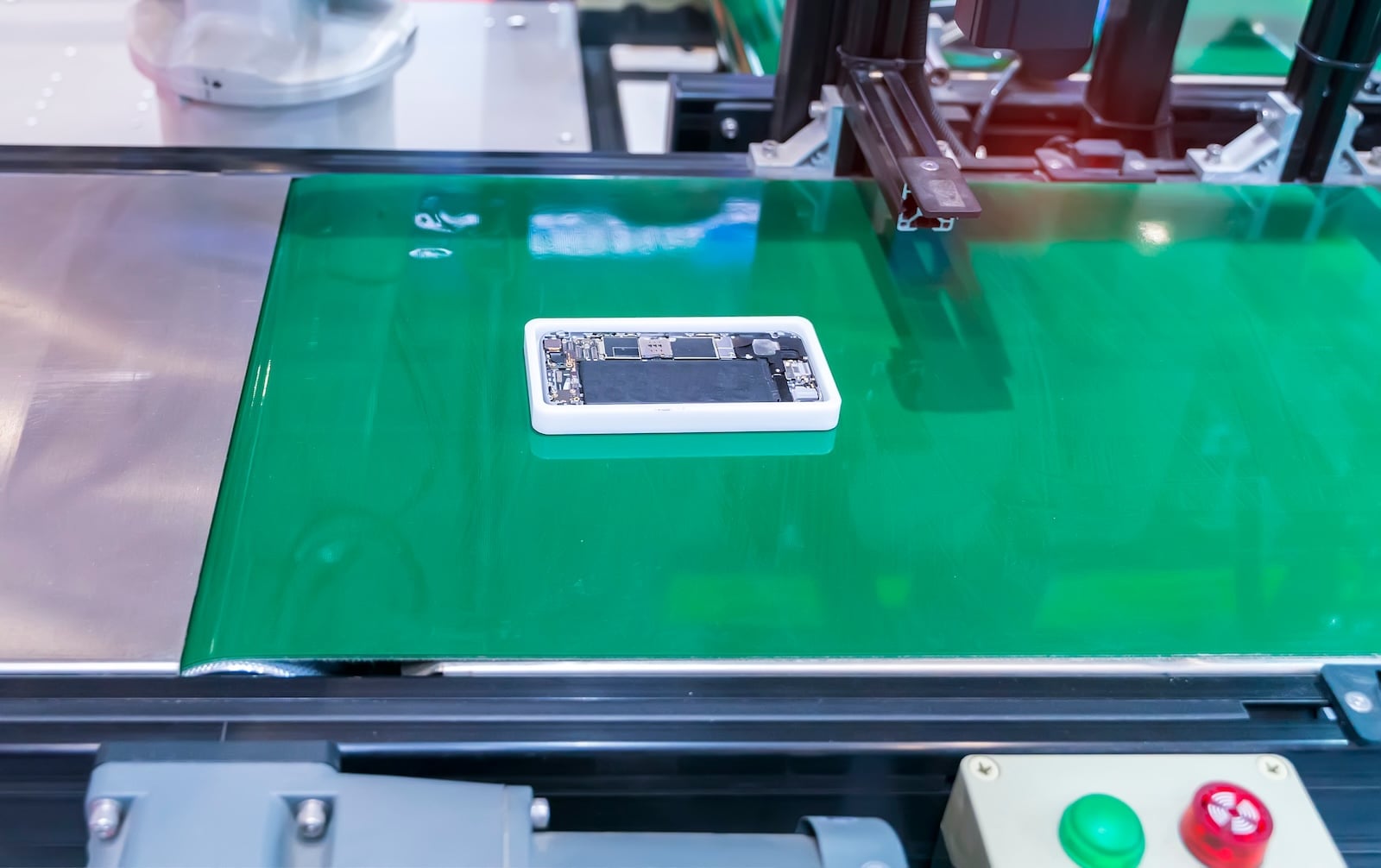
India has eliminated import tariffs on several key components for smartphones and other electronic devices. For Apple, which has been shifting its iPhone production from China to India for years, this move reduces costs for local suppliers – and is likely to further accelerate the relocation.
The Indian government has lifted import tariffs of 7.5 and 5 percent on a range of components used in the manufacture of mobile phones and other electronics. The exemption is valid until March 31, 2029, and is part of the stated goal of increasing domestic electronics manufacturing to $500 billion over the coming years. This is not the first time India has used regulatory incentives to attract Apple manufacturing: earlier this year, a tax reform reduced the risks associated with investing in production facilities, removing a key obstacle to expanding iPhone production. The current tariff waiver continues this trend – this time at the component cost level.
Which components are affected?
Specifically, tariffs have been lifted on components for manufacturing wireless charging modules for smartphones, displays for medical and automotive applications, and lithium-ion cells or the machinery used to produce them. The measure was implemented through several customs regulations that came into effect at the beginning of the week. Not only Apple, but all manufacturers that have production facilities in India – including competitors like Xiaomi – are expected to benefit. According to Manoj Mishra, a partner at the consulting firm Grant Thornton Bharat, the move is intended to strengthen cost competitiveness and increase local value creation; the exemption for lithium-ion cells could also stimulate investment in domestic battery production (via Reuters).
What this means for Apple
For Apple, this move fits into a strategy pursued for years: reducing dependence on China and shifting a growing portion of iPhone manufacturing to India. With factories from Foxconn and Tata increasingly assembling current iPhone models there, the country has already become the second pillar of the supply chain. Cheaper imports for the affected components lower the costs for local suppliers and make it more attractive to bring further manufacturing steps to India, rather than simply importing them.
One point, however, puts the immediate impact into perspective: The eliminated tariffs apply to charging technology, displays, and battery cells – but not to RAM and flash memory, the global scarcity of which is currently driving up the cost of future iPhones. The tariff waiver thus improves the manufacturing environment in India, but it doesn't address the cost driver that is currently putting the most strain on the next iPhone generation.
Ambition meets reality
This move demonstrates how consistently India is leveraging political means to expand its position as an electronics hub – from subsidies and tax breaks to now tariff reductions. At the same time, this development is not without its challenges. Apple's key Indian partner, Tata, has recently faced criticism: reports indicate a data breach involving tens of thousands of stolen documents, and investigations are underway into alleged water contamination near a supplier factory. This contrast highlights the fact that favorable conditions and reliable manufacturing are two very different things. Nevertheless, for Apple, India remains the primary alternative to China – and every tariff reduction provides further incentive to accelerate its progress. (Image: Shutterstock / asharkyu)
- macOS 28 drops support for encrypted HFS+ drives
- Apple TV achieves Emmy record: 87 nominations
- Apple is growing against the trend in the shrinking PC market
- Apple is testing controversial memory from China
- Apple loses in EU court: Gatekeeper status confirmed
- Apple expands US chip production with Broadcom
- Cook and Ternus meet with Bavaria's Minister-President Söder
- Claude Cowork is coming to iPhone, iPad and the web
- Nocturne: Apple TV adapts Lars Kepler's bestseller into a film
- China: iPhone discounts put Apple in second place
- JP Morgan raises Apple price target to $345
- iOS 27 Beta 3: These are the new features included
- Edge AI: Apple Watch almost single-handedly dominates the smartwatch market
- Julia Garner stars in Apple's new true-crime thriller
- Epic dispute: Apple wants to pause the App Store process
- Home AI in iOS 27 requires the 2TB iCloud+ plan
- Apple asks via a popup before AI data is sent to Google
- Siri AI arrives on the Apple Watch with watchOS 27 Beta 3
- iOS 27 Beta 3: Development enters the next phase
- iOS 26.6 Beta 4: The testing phase continues