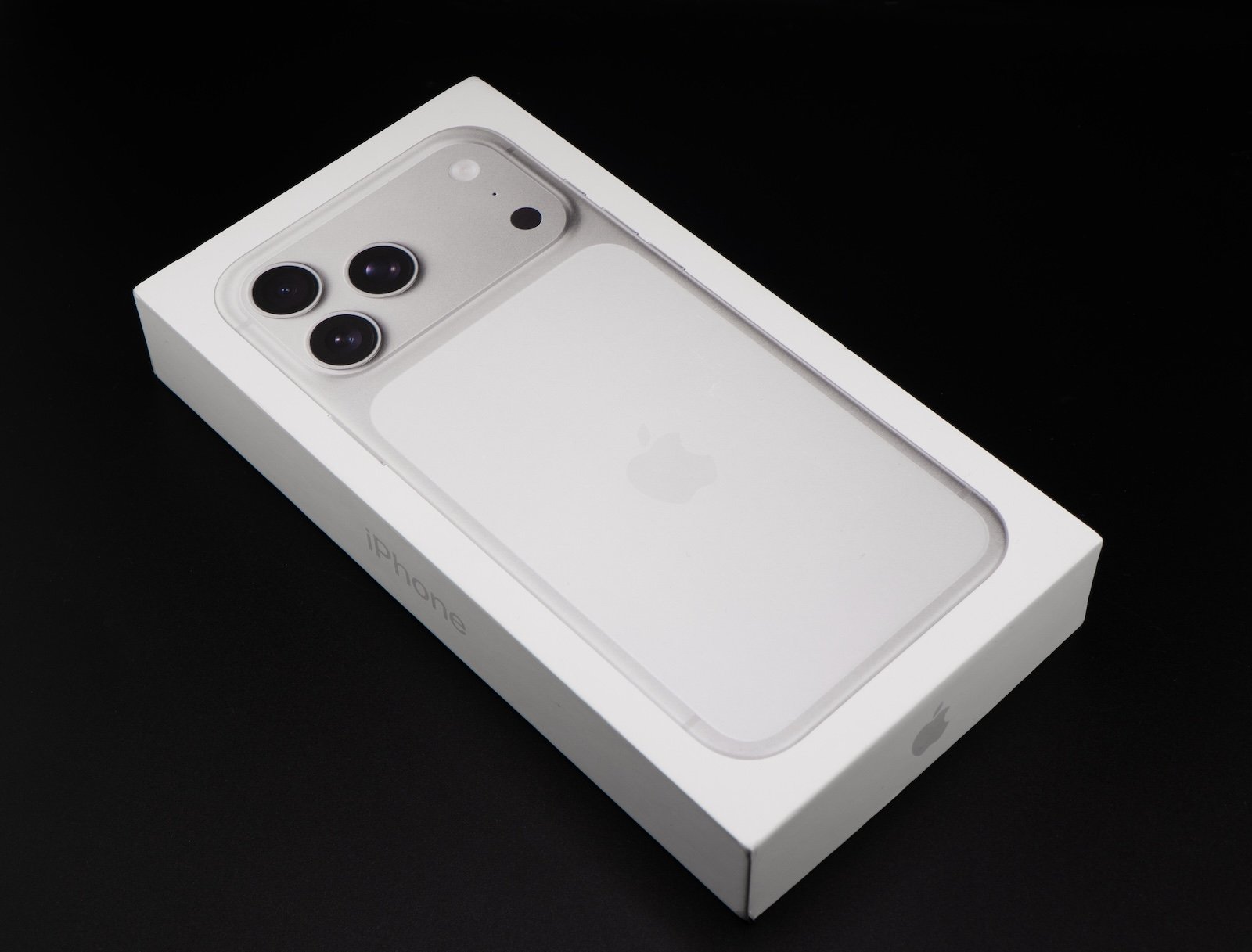
Apple plans to maintain the entry-level price of the iPhone 18, despite rising memory chip costs and anticipated shortages in 2026. This is due to expected pressure on the memory market, which is likely to affect many smartphone manufacturers. Nevertheless, the strategy remains: keep prices stable for as long as possible, even if components become more expensive and this impacts profit margins in the short term.
Apple analyst Ming-Chi Kuo predicts that DRAM shortages will very likely affect the smartphone industry in 2026. At the same time, he assumes that Apple will want to avoid iPhone price increases "as much as possible." He believes that at least the starting price of the iPhone 18 models will remain unchanged, even though Apple has to pay more for key components.
Why the storage market could become a problem in 2026
Kuo describes a tight situation regarding memory components, exacerbated by demand from the AI industry. LPDDR and NAND flash memory are particularly affected by shortages and higher prices, as memory manufacturers prefer to reserve capacity for advanced memory in AI servers rather than for memory intended for smartphones.
In addition, DRAM shortages are likely to become noticeable in 2026. Industry speculation suggests that rising memory prices could drive up smartphone costs for several brands.
Apple's negotiations: Price adjustments in focus, quarter by quarter
A key point in Kuo's assessment: Apple negotiates memory prices with suppliers on a quarterly basis. This puts certain time windows particularly in focus:
- Kuo expects price increases in the second quarter of 2026.
- This upcoming increase is expected to be similar to the one in the first quarter, when Apple already had to pay more for storage.
- According to estimates, storage prices are already 10 to 25 percent higher compared to the previous year.
This is relevant because such increases are not just a one-off effect, but directly impact iPhone pricing across large quantities.
Impact on iPhone margins and why Apple can remain calm
Higher storage costs will impact the iPhone's gross margins. Kuo expects exactly that to happen: higher costs, less room for maneuver in the hardware margin.
Nevertheless, he sees Apple in a strong position because the company can secure contracts that guarantee a stable supply. Kuo emphasizes the power factor here. For most non-AI brands, there is no guarantee of receiving the desired quantities, even if they are willing to pay more. According to Kuo, the fact that Apple can even conclude such supply contracts demonstrates the company's influence.
The strategy behind it: secure chips, absorb costs, gain market share
Kuo outlines Apple's approach as quite clear: not only to "survive" the current market chaos, but to use it to their advantage. The logic behind it:
- Apple secures the scarce memory chips through contracts.
- Part of the additional costs is absorbed instead of being passed on immediately through price increases.
- If other brands come under greater pressure due to supply problems or higher costs, Apple can gain market share.
And the second part of the equation: What hurts in the short term in terms of hardware margin should be recouped later through services.
What Apple might say about this soon: Conference call on January 29th
Apple may have to address the rising memory prices very specifically during its earnings call for the first fiscal quarter of 2026. This quarter covers October through December 2025. The earnings call is reportedly scheduled for January 29th. Kuo believes it's possible that Apple will have to address the memory price increases during this call.
The iPhone 17 serves as an example of price stability despite increased costs
Apple has not passed on such cost increases directly to prices in the past. The iPhone 17 is cited as an example:
- The base model of the iPhone 17 has not become more expensive and remains at a starting price of 799 US dollars.
- At the same time, Apple introduced a new minimum storage requirement of 256 GB for the iPhone 17.
- In this context, the iPhone 17 Pro was priced $100 higher.
This shows the pattern: Keep the entry price as stable as possible, while higher costs are offset elsewhere depending on the model mix.
The risk remains: Not only storage space can become scarce
The report also contains a clue that goes beyond storage. Other components could also become scarce in the coming months. This would trigger additional problems in the supply chain and could ultimately force price increases. Storage is currently the most visible cost driver, but not necessarily the only one.
Apple leverages supply chain strength in a tight market
Apple is facing a balancing act with the iPhone 18: rising memory prices and potential shortages on the one hand, and stable entry-level prices on the other. Ming-Chi Kuo expects memory price increases, particularly in the second quarter of 2026, after prices are already expected to have risen by 10 to 25 percent year-over-year. This puts pressure on gross margins, but Apple can secure chips through strong supply contracts, partially offsetting costs and thus gaining an advantage, while other brands come under greater pressure. At the same time, the risk remains that other components will become scarce and further exacerbate the supply chain situation. (Image: Shutterstock / BigTunaOnline)
- iPhone Fold forces Samsung to develop new foldables
- iPhone Air 2: Leak reveals new details about Face ID hardware
- Apple is planning its next chip: Will the M6 arrive sooner than expected?
- Tim Cook in focus: Resignation rumors and Apple's plans
- Apple plans to deeply integrate Siri into core apps in the future
- A new MacBook Pro generation is expected, but not immediately
- Apple will reveal new Siri features in just a few weeks
- Apple plans to manufacture some of its own chips with Intel
- iPhone 18 Pro: This is how much the new Dynamic Island is shrinking
- Apple Design under new leadership: John Ternus in focus
- iPhone Rumors 2027: All-Screen Later Than Expected?
- Report: Apple changes AI strategy under Craig Federighi
- Apple Home Hub: New evidence of a rotatable robot base
- Apple plans AI pin: New wearable could arrive in 2027
- iOS 27: Siri becomes a chatbot with deep system access
- Apple is using AI chatbots internally to increase productivity
- iPhone 18: New leak suggests extremely bright display
- iPhone 18 Pro: Smaller Dynamic Island instead of a radical redesign
- iPhone Air 2: Will there be an update in 2026 or not until 2027?
- iPhone 18 Pro: Leaker contradicts rumors about the front camera
- iPhone 18 Pro and Face ID: What Apple is planning for the display
- M5 Max MacBook Pro before release: Performance predictions
- iPhone 18 Pro: New front design with camera on the left?