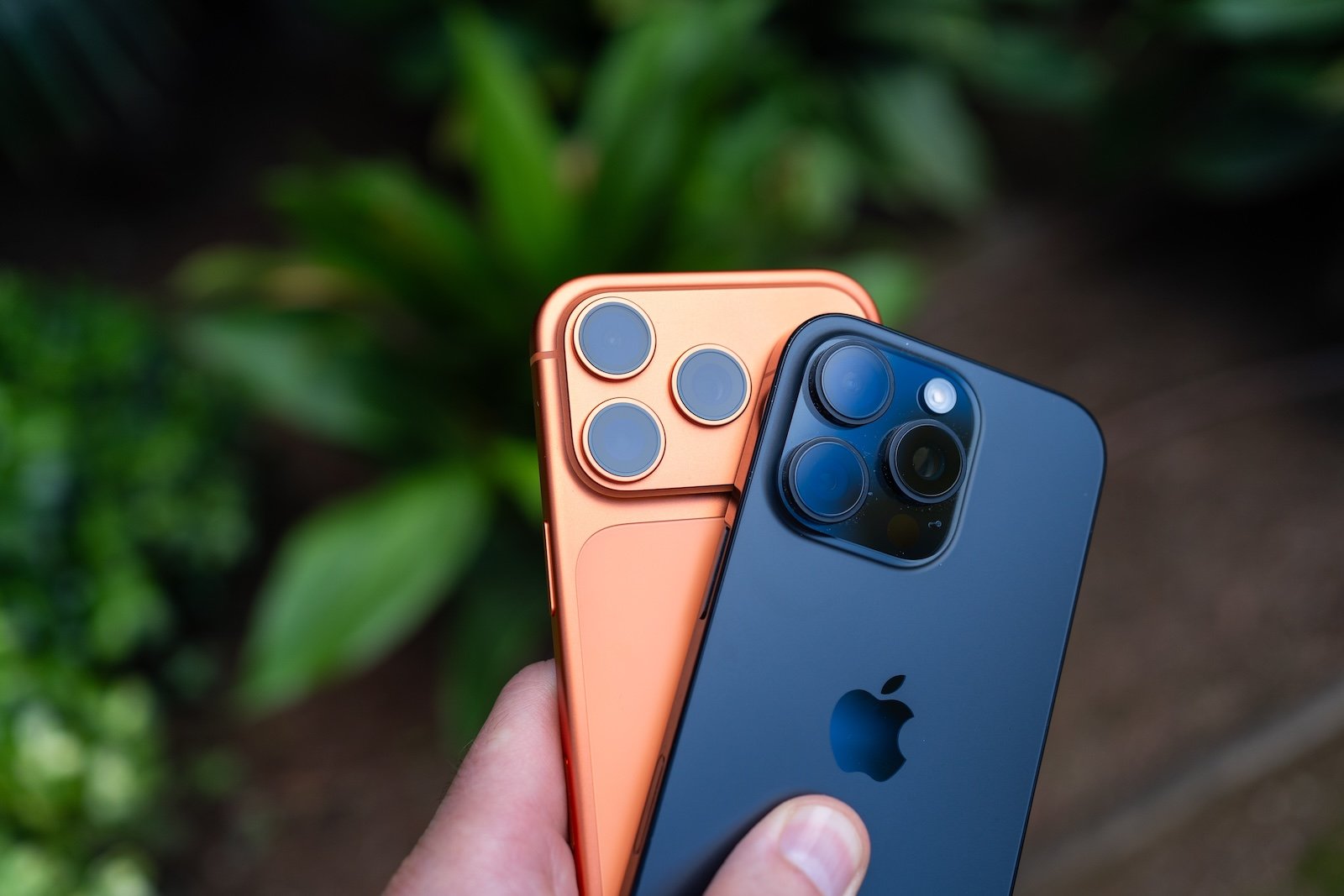
The iPhone could see a significant leap forward in camera technology in the coming years. New assessments from analysts indicate that Apple is focusing on significantly higher resolutions in the long term, while simultaneously restructuring its supply chains. The focus is on a 200-megapixel camera, which, according to current forecasts, is expected to be used in the iPhone starting in 2028. This development is closely linked to new suppliers, changes in production, and stable pricing strategies.
It has been expected for some time that Apple will upgrade the iPhone to 200-megapixel cameras. This technology is already commonplace in the Android world, while Apple has deliberately opted for lower resolutions so far. New information from analysts now provides the first concrete details about when this move might occur and why Apple isn't making it sooner. It appears that the reason is less about pure technological enthusiasm and more about strategic decisions regarding costs, suppliers, and production locations.
200-megapixel camera planned for release from 2028
According to analysts at the investment bank Morgan Stanley, the iPhone will be equipped with a 200-megapixel camera starting in 2028. Specifically, the analysts expect that the iPhone 21, not the iPhone 18 series, will be the first model to receive this camera. This pushes back the expected timeline by several years.
In a statement to investors, Apple explained that it is deliberately delaying this step. A key reason for this is the planned diversification of its supply chains to reduce dependence on individual suppliers.
Samsung as a new camera supplier
According to Morgan Stanley, the 200-megapixel cameras will be supplied by Samsung. This would mark the first time Apple has relied on Samsung for iPhone camera sensors on a significant scale. The goal is to establish multiple sources of supply and thus secure the long-term supply.
At the same time, it is suspected that this change is also related to the fact that Sony, the previous main supplier of iPhone camera sensors, could not keep pace technologically with Samsung's 200-megapixel technology. Reports suggest that Apple is therefore looking for alternatives.
Production in the USA as an additional factor
Another aspect is the potential expansion of iPhone component production in the US. Previous reports had already indicated that Samsung could manufacture CMOS image sensors for the iPhone at its factory in Austin, Texas. This would align with Apple's efforts to shift some manufacturing closer to its home market and reduce geopolitical risks.
Changes to LiDAR, but not to Face ID
In addition to the camera, Morgan Stanley is also analyzing other sensors in the iPhone. Sony is currently responsible not only for the camera sensors but also for the LiDAR sensors. According to the analysts, Apple is currently in talks with STMicroelectronics to establish another supplier for LiDAR technology.
Analysts, however, do not expect any changes to the supply chain for Face ID. The Face ID sensors currently come from a single supplier, LITE, and this is not expected to change for the time being.
Nevertheless, Morgan Stanley anticipates technical innovations for Face ID. Analysts predict that in-display Face ID could be introduced in 2027. This would coincide with the 20th anniversary of the first iPhone.
Cost control and stable prices
All these steps are intended to help Apple avoid supply problems and better control costs. Morgan Stanley continues to assume that Apple will absorb rising costs for individual components internally, rather than passing them directly on to customers.
This assessment is based on past developments. It was repeatedly expected that Apple would raise the prices of the iPhone 17 series due to tariffs. Instead, the company increased storage capacities, so prices remained at the level of the iPhone 16.
Strategic decisions for the iPhone from 2028 onwards
Current forecasts paint a clear picture of Apple's long-term iPhone strategy. The introduction of a 200-megapixel camera starting in 2028 is less a short-term technological leap and more part of a comprehensive realignment of suppliers, production, and cost structure. With new partners like Samsung, potential US production sites, and targeted adjustments to sensors, Apple is preparing the iPhone for the coming years without prioritizing higher prices. (Image: Shutterstock / vfhnb12)
- iPhone 17e: Mass production is expected to start soon
- iPhone 18: This is how expensive Apple's new A20 chip will be
- Affordable MacBook 2026: All the details on the new entry-level model
- OpenAI is preparing new audio models and its own device
- Apple is focusing on new Fitness+ programs and challenges
- Apple Vision Pro is not a flop, it's just misrated
- Apple updates vintage list for Macs, iPhones and more
- Apple Fitness+ officially announces big plans for 2026
- Apple raises $3 million to fight AIDS
- iPhone 17 Pro: Reports of static noise while charging
- Apple better prepared: Notebook market under pressure in 2026
- More Roomba models support Matter for HomeKit
- Pluribus Season 1: The finale was planned completely differently
- Apple receives a reprieve from US tariffs on Chinese semiconductors
- Cyberattack on Apple supplier: Background and consequences
- Tesla is working on native car keys for smartphones
- Apple and the billion-dollar App Store ruling in the UK
- macOS Gatekeeper bypassed via two-stage malware chain
- Apple Intelligence must pass China's AI censorship test
- Ted Lasso Season 4: Producers announce possible release date
- Apple allows alternative app stores on iOS in Brazil
- iOS 26.3 receives praise from the EU for new features
- WhatsApp is testing a new quiz feature for channels
- Apple and China: Government-level meeting confirmed
- Apple under pressure: Italy imposes millions in fines