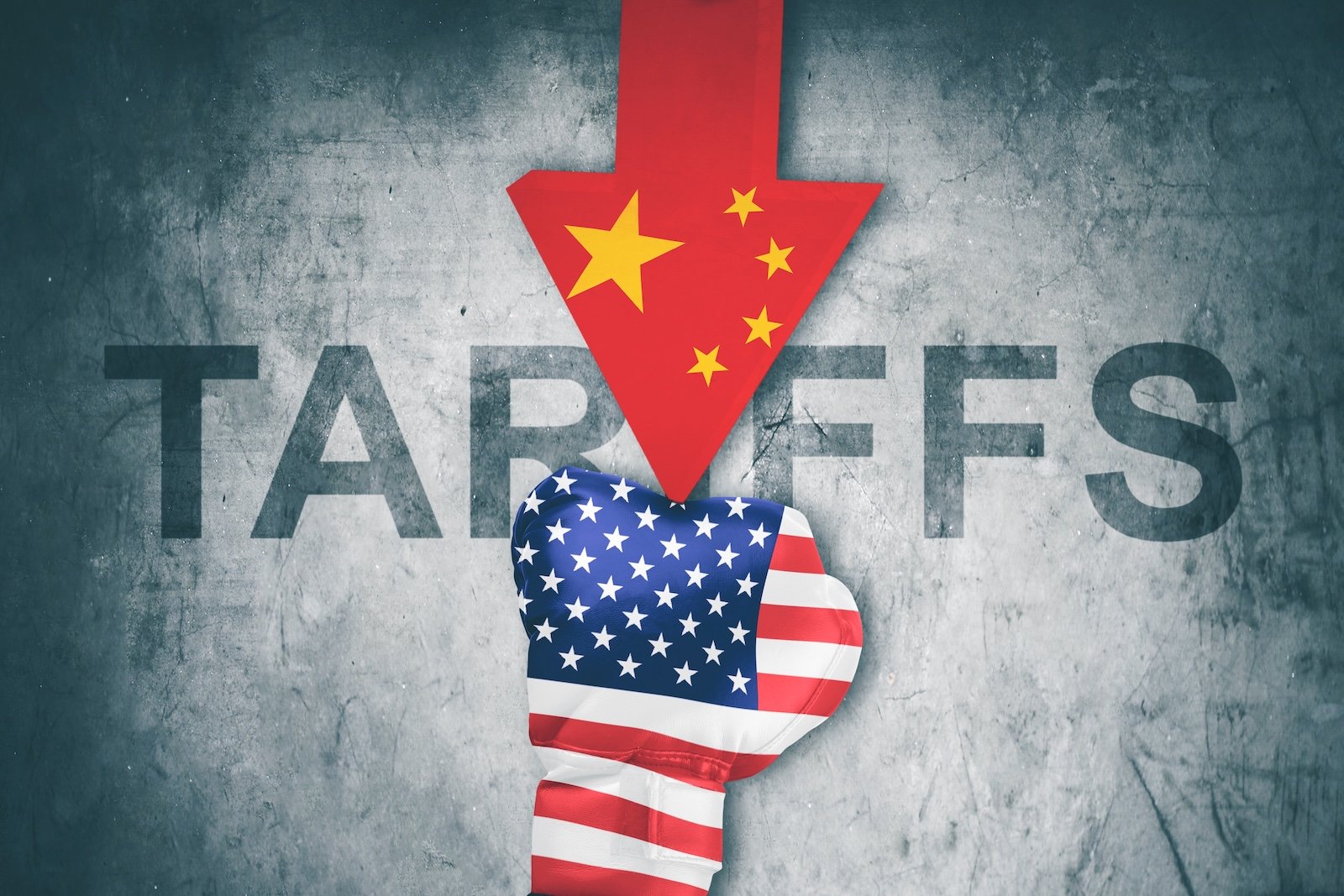
Apple has been granted a significant reprieve from the planned US tariffs on semiconductor imports from China. Although new tariffs are being formally introduced, the actual costs for the company will not be incurred until mid-2027. This spares Apple from higher import duties in the short term, while preserving the political and legal framework for future measures.
International trade in semiconductors has been heavily influenced by politics for years. In particular, the relationship between the US and China is shaping new regulations, tariffs, and strategic decisions. These developments are crucial for Apple, as a large part of its supply chain remains in Asia. While the recent decision by the US government doesn't completely alleviate concerns, it does provide valuable planning certainty.
Tariffs imposed, costs temporarily suspended
The US is imposing new tariffs on semiconductor imports from China. According to a publication in the Federal Register, which CNBC also cites, the effective tariff rate will be set at zero percent for approximately 18 months. This arrangement will remain in effect until June 23, 2027. From that date, the tariff rate is scheduled to increase, with the exact percentage being officially announced at least 30 days in advance.
Legally, the tariffs come into effect immediately. Economically, however, their effect is not immediate. The zero rate effectively functions as a deferral mechanism, not a complete suspension.
Impact on Apple
For Apple, this decision means that there will be no immediate increase in import costs for semiconductors from China. The risk of additional burdens is thus postponed.
Although Apple develops its own A-series and M-series processors, which are manufactured by the Taiwan Semiconductor Manufacturing Company in Taiwan, the company remains heavily reliant on Chinese suppliers. This applies to numerous other semiconductor components used in iPhones, iPads, Macs, and other devices. These include, among others:
- integrated circuits for energy management
- Display driver chips
- Connectivity controller
- Supporting logic chips for internal control functions
Many of these components would fall under China-specific semiconductor tariffs once the tariff rate is increased from 2027 onwards.
Zero tariffs as a strategic instrument
The current zero tariff rate is not a sign of a de-escalation of the trade conflict. Rather, the full regulatory framework remains in place, allowing for future tariff increases. This avoids short-term economic repercussions while preserving the US's negotiating power for future talks.
At the same time, this structure reduces the risk of immediate trade conflicts and provides clarity for companies like Apple regarding long-term decisions about production, procurement and investment.
Importance for Apple's supply chain strategy
The delay comes at a crucial moment for Apple. The company has been working for some time to shift more of its production and sourcing outside of China. This is partly due to earlier concerns about potential import tariffs of up to 100 percent on semiconductors.
In August, Apple announced plans to invest approximately $600 billion in domestic manufacturing and infrastructure. These investments are intended to reduce dependencies and make the supply chain more stable in the long term. The postponement of semiconductor tariffs gives Apple additional flexibility to implement this strategy before new costs actually materialize.
Postponement of chip tariffs gives Apple time
Apple has escaped relatively unscathed from the new US tariffs on Chinese semiconductors, at least for now. Although the tariffs have been formally introduced, there will be no direct financial burden until June 2027. For Apple, this means a reprieve and planning certainty during a period of supply chain realignment and major investments. However, the issue is likely to regain significance no later than 2027, once the actual tariff costs are determined and take effect. (Image: Shutterstock / Creativa Images)
- Cyberattack on Apple supplier: Background and consequences
- Tesla is working on native car keys for smartphones
- Apple and the billion-dollar App Store ruling in the UK
- macOS Gatekeeper bypassed via two-stage malware chain
- Apple Intelligence must pass China's AI censorship test
- Ted Lasso Season 4: Producers announce possible release date
- Apple allows alternative app stores on iOS in Brazil
- iOS 26.3 receives praise from the EU for new features
- WhatsApp is testing a new quiz feature for channels
- Apple and China: Government-level meeting confirmed
- Apple under pressure: Italy imposes millions in fines
- Apple warns employees with visas against international travel
- Data retention: Government wants to store IP addresses
- Apple TV cancels "The Last Frontier" after one season
- Apple showcases new AI research on smartphone photography
- Apple indirectly forces iPhone users to update to iOS 26
- Samsung is entering the 2nm era earlier with Exynos 2600
- AirPods Pro 3: Background noise persists even after updates
- ChatGPT extends the chat history with an important new function
- Apple introduces UniGen 1.5: An AI model for all images
- A macOS bug has caused Studio Display to flicker for months
- Apple plans to increase advertising in App Store search starting in 2026
- ChatGPT now supports Apple Music directly within the app
- Apple opens App Store in Japan and changes iOS rules
- Apple TV expands Monarch universe with new spin-off