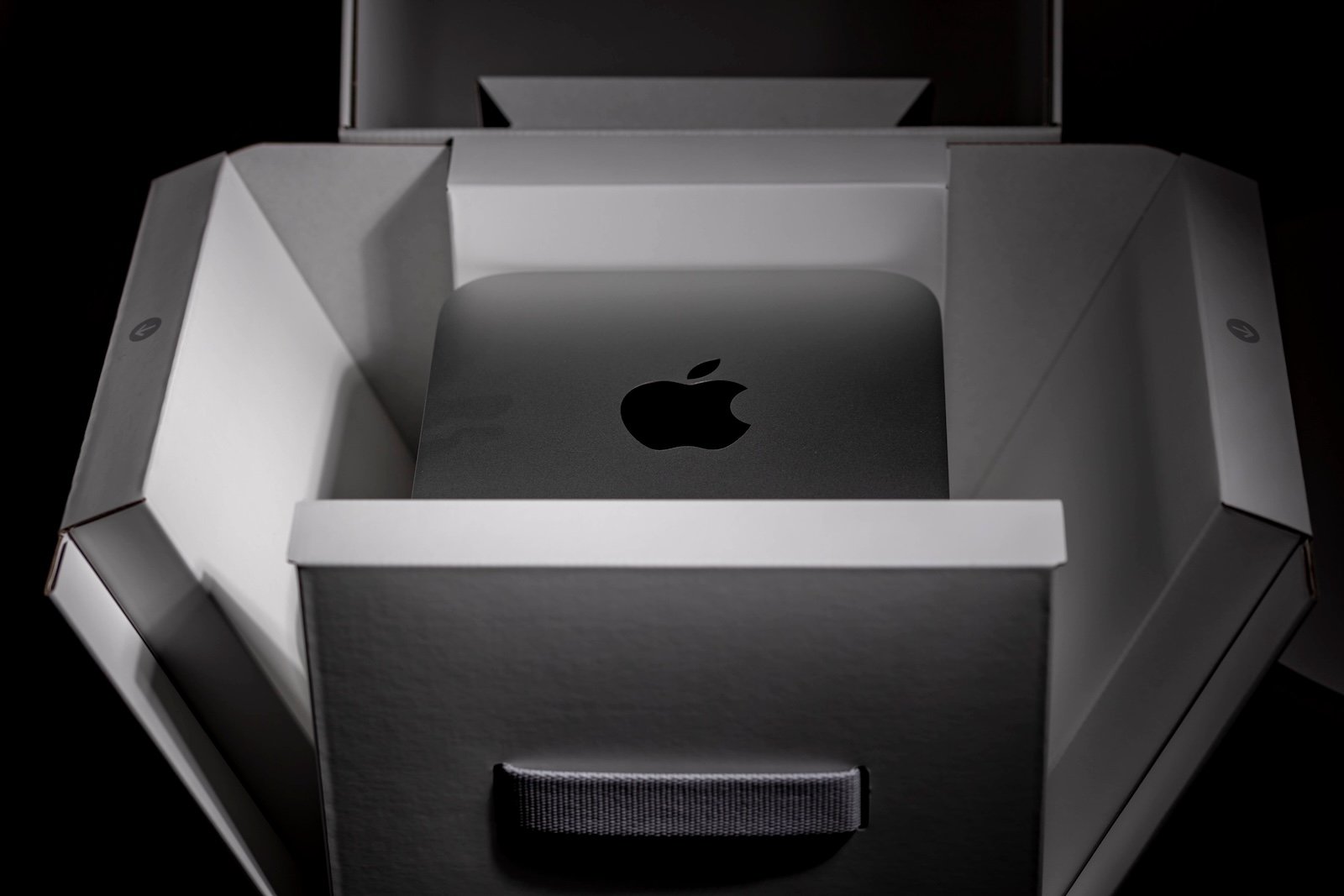
As soon as delivery times for a product like the Mac Studio increase in the Apple Online Store, speculation about an imminent relaunch begins. The pattern seems familiar: decreasing stock levels, longer waiting times, new rumors. But in 2026, the situation is more complex than before. External factors are influencing production and availability more than ever. Therefore, current Mac Studio stock levels are not a reliable indicator of an imminent market launch.
The assumption initially sounds logical. Apple traditionally operates with very tight inventory levels. It's often said that the company maintains stock for no more than about 30 days. So, if a custom-configured Mac Studio used to be delivered within two days and now takes several weeks, the conclusion seems clear: the old model is being discontinued, and a new one is on the way.
This line of reasoning regularly fuels the rumor mill. But it's not that simple. Longer delivery times initially only mean one thing: delivery takes longer.
The classic misconception surrounding new Apple products like the Mac Studio
The argumentation usually follows this pattern:
- A new model is expected.
- Apple is reducing production of the current model.
- Inventory levels are decreasing.
- Delivery times are increasing.
- The market launch is imminent.
This logic seems convincing because it can be true in individual cases. If Apple is close to a product launch, production of an older device will likely be reduced or stopped as soon as sufficient stock is available.
No one would expect an Apple Store to aggressively sell off such an expensive device as a Mac Pro shortly before the presentation of a new version. Nevertheless, this pattern cannot be reliably applied to every product.
Previous examples show: bottlenecks are not proof
In recent months there have been several reports of allegedly low stocks:
- iPhone 16e supply shortages
- iPad Air delays
- In October 2025, reports surfaced of limited stock of the Apple TV 4K and the HomePod mini.
Four months after these reports, however, no new models of these products had appeared. This means: The theory may be correct, but it doesn't have to be.
Apple's complex global supply and distribution system
Apple operates one of the world's most complex supply networks. This system was recently restructured to minimize the impact of international tariffs. Such structural adjustments directly affect production and supply processes.
For example, an unexpected surge in demand for iPhones in China can lead to a redistribution of stock in other regions. This redistribution affects global availability – and indirectly other product lines such as the Mac Studio.
The pandemic has clearly demonstrated how fragile global supply chains can be. At that time, iPhone deliveries were delayed by months. Production outages and logistical bottlenecks had a massive impact.
In January 2026, Tim Cook publicly confirmed that Apple was unable to fully meet the demand for the iPhone 17 series. Such shortages affect priorities and capacities across the entire company.
2026: Additional uncertainties exacerbate the situation
Delivery forecasts for 2026 are even more unpredictable than before. There are several specific reasons for this.
TSMC is working at its limit
Chip manufacturer TSMC has reportedly reached its maximum production capacity. Furthermore, Apple is no longer automatically the largest customer, taking every available batch. This limits flexibility.
RAM shortage due to AI and server farms
Demand for RAM increased dramatically in 2026. AI applications and large server farms are driving demand far beyond supply. This trend affects the entire technology sector.
This allows manufacturers to charge higher prices, increasing cost pressures. As a result, even iPhone prices could rise.
Renegotiation of storage contracts
Apple may have to renegotiate its memory contracts sooner than planned. This could lead to production decisions being postponed until new terms are agreed upon or components are available.
All these factors lead to delays. Whether longer delivery times for the Mac Studio are due to a strategic production halt or simply to a lack of components is difficult to distinguish from the outside.
Observations on Mac Studio since October
Since October, there have been repeated waiting times of up to two months for individually configured Mac Studio models. At the same time, it has become apparent that many of these devices are being delivered significantly earlier than originally announced.
This suggests that the displayed delivery times are often conservative estimates and do not necessarily reflect real bottlenecks.
Why publications are difficult to predict reliably
There is no truly precise method to predict the timing of a new Mac Studio product generation. Even analyzing previous release cycles offers no guarantee.
The combination of global demand, supply chain problems, production capacities, component shortages, and strategic decisions makes forecasts uncertain.
Longer delivery times therefore do not automatically mean that a new version is imminent.
Time of purchase and practical considerations
The concern is understandable: Nobody invests a lot of money in a Mac Studio only to see a new model presented the next day. Even if the purchased device fully meets one's expectations, an uneasy feeling remains.
Apple typically offers a 14-day return period. This provides some protection in case an update is released shortly after purchase.
From a practical standpoint, however, it usually makes more sense to buy the device when it is needed. Trying to time it perfectly based on stock levels or delivery times rarely leads to a reliable result.
Mac Studio: Between demand, production, and speculation
The Mac Studio remains a powerful system for professional applications. However, extended delivery times in 2026 are not a reliable indication of an imminent new release.
Global supply chains, production limits at TSMC, RAM shortages due to AI, contract negotiations and regional shifts in demand are having a greater impact on availability than traditional product cycles.
Those who use inventory levels as a release indicator often overinterpret normal fluctuations. Ultimately, delivery times primarily only show how long you have to wait. The best products for you: Our Amazon storefront offers a wide selection of accessories, including those for HomeKit. (Image: Shutterstock / Maarten Zeehandelaar)
- Meta plans facial recognition for smart glasses
- Apple wins third patent lawsuit against Optis
- Apple study reveals expectations for AI agents
- Apple assures: New Siri will arrive as promised in 2026
- Google: EU targets advertising business
- Apple releases new beta firmware for AirPods
- The YouTube App for Apple Vision Pro is here
- Apple Creator Studio: Criticism of AI usage limits
- Cyberbullying: EU Commission plans reporting app
- Apple Store shortages: iPhone 16e & iPad Air almost sold out
- WhatsApp banned: Russia blocks messenger
- Apple News: FTC investigates political discrimination
- Apple acquires all rights to "Severance"
- Safari 26.3: All new features and details at a glance
- Apple Music doubles penalties for streaming fraud
- iOS 26.3 and similar updates fix critical security vulnerabilities.
- ChatGPT: Improved overview in Deep Research mode
- Apple releases iOS 26.3 and other system updates
- Is Apple facing shortages? Sharp factory closing
- Apple TV: Sequel to "F1: The Movie" in the works
- Apple acquires Kuzu: Details of the acquisition
- AirDrop interoperability is growing in the Android market