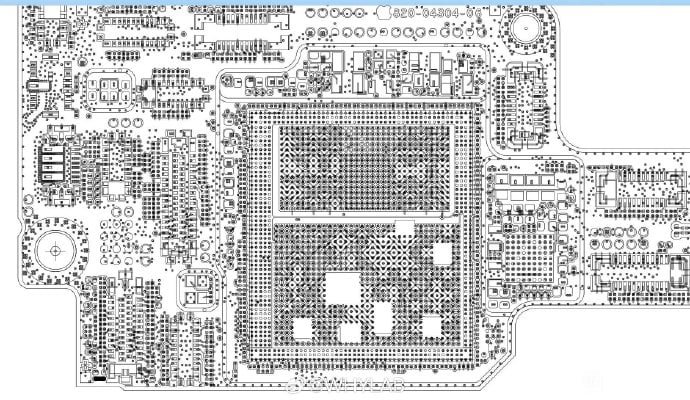
A photograph allegedly taken of the iPhone 18 Pro's mainboard provides the most concrete clue yet about how Apple is constructing the A20 Pro. The focus is on a change in packaging technology, designed to improve heat dissipation and maintain more stable performance under sustained load. The image hasn't been officially confirmed, but its details fit with the existing picture.
A photo of the upcoming A20 Pro chip has surfaced, purportedly showing the mainboard of the iPhone 18 Pro. It was shared via the Weibo accounts WHYLAB and Ice Universe. The image shows the chip embedded in a new packaging architecture from TSMC – the so-called Wafer-Level Multi-Chip Module, or WMCM for short. This design would explain why Apple is aiming for a significant performance boost with the Pro model. The iPhone 18 Pro is expected to be released in September alongside the Pro Max and the foldable iPhone Ultra, and will primarily feature a significant increase in internal performance.
What the leaked image shows
The circuit board pictured is said to contain the A20 Pro chip in its WMCM packaging. This would represent a departure from Apple's previous design – a detail that, while seemingly technical at first glance, would have a direct impact on temperature and sustained performance in practice. There is no official confirmation of the photo's authenticity. However, indications of the use of WMCM technology in the iPhone 18 Pro and iPhone 18 Pro Max have been circulating for some time, which at least makes the image plausible.
WMCM instead of Package-on-Package
Up to now, Apple has used a package-on-package (PoP) design for its iPhone chips: The RAM is stacked directly on top of the processor. This saves space, reduces power consumption, and shortens latency – but it also concentrates the heat generated precisely in the packaging area.
In contrast, the WMCM approach involves moving the DRAM to the side of the processor. This would reduce the thermal coupling between the processing unit and the memory, allowing for better heat dissipation under sustained load. Especially under continuous stress - such as during demanding games or extended AI calculations - the iPhone 18 Pro could thus maintain its peak performance for longer before thermal throttling occurs.
LPDDR6 and a larger Neural Engine
Beyond the packaging, the image suggests two further innovations. The A20 Pro is expected to use LPDDR6 memory and a 96-bit memory bus, promising more energy-efficient bandwidth. The actual chip area would remain roughly the same as the A19 Pro – with one exception: the Neural Processing Unit, the block responsible for AI calculations, appears to be significantly larger. This would be a clear indication that Apple intends to specifically enhance the AI performance of the Pro model.
The 2nm manufacturing process as a foundation
The WMCM leap is only part of the story. The A20 Pro is also expected to be the first iPhone chip manufactured using TSMC's 2-nanometer process, internally designated N2. Compared to the A19 chips, this is expected to deliver up to 15 percent more performance and around 30 percent better energy efficiency – a leap closely linked to TSMC's new production line for Apple's A20. In addition, there's an innovation in the chip's power supply: N2 introduces so-called SHPMIM capacitors (Super-High-Performance Metal-Insulator-Metal), which are said to more than double the capacitance density compared to the previous generation. Together with the WMCM packaging, this would not only increase computing power but also improve voltage stability and energy efficiency.
What the iPhone 18 Pro and iPhone Ultra have in common
The A20 Pro chip won't be exclusive to the classic Pro model. The foldable iPhone Ultra is also expected to use the A2 chip. According to reports, the devices will also share several other features: 12 GB of RAM, 48-megapixel rear cameras, and Apple's own C2 modem. All three models are expected to launch in September of this year.
The performance leap is taking shape
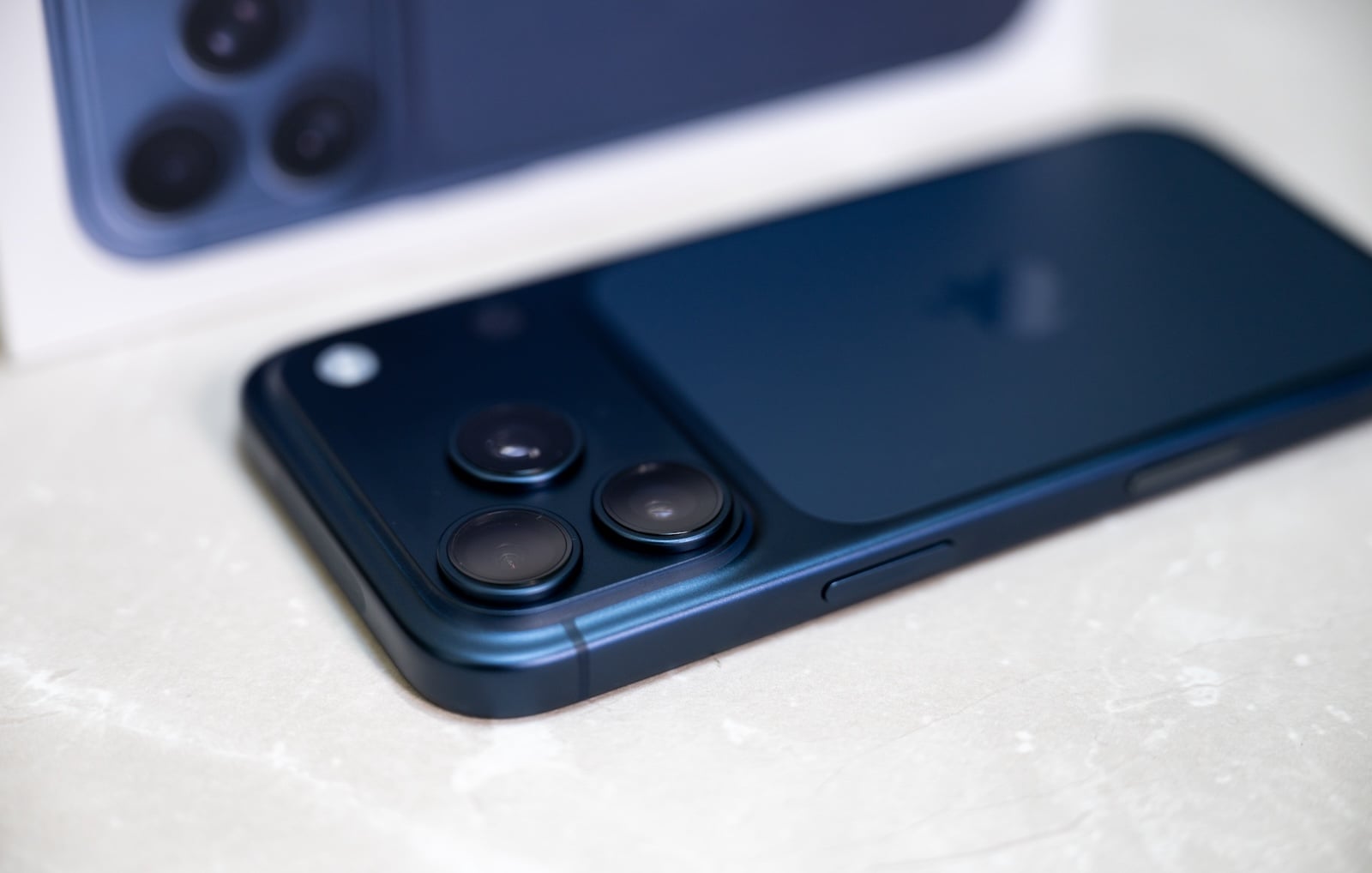
Should the details of the leaked image be confirmed, the A20 Pro would present a coherent overall picture: a more modern manufacturing process, a cooler design, and a larger AI unit. While the external design of the iPhone 18 Pro is likely to remain close to its predecessor, the real progress would once again lie within – where it manifests itself in speed, efficiency, and AI capabilities. However, final clarity will only come with the official unveiling this fall. (Image: Shutterstock / Anna Hoychuk)
- iPhone 18e: ProMotion is reportedly left out, according to leak
- Apple is lobbying for Chinese storage: The supply gap is the real reason
- Mac Studio: M5 Ultra this year, M7 Ultra not until 2028
- iPhone 18 Pro: Up to $200 price increase expected
- iPhone 18 and 18e: 9 GB RAM and A20 chip expected
- MacBook Ultra: Apple surprisingly opts for M5 Pro and M5 Max
- Apple iRing? The rumor about the smart ring is back
- iPhone 18 Pro and foldable iPhone: Prices expected to rise
- Storage crisis: Apple is also said to be partly responsible
- Apple is heading towards record market shares in 2026
- Apple hints at further price increases
- Apple is raising prices: Macs, iPads and more are getting more expensive
- Siri AI should clearly reject URL summaries
- Stolen iPhone: Apple tightens its recommendations
- Eddy Cue promises Apple TV "better and more"
- App Store fees: Antitrust complaint against Apple in China
- Eddy Cue honored as Entertainment Person of the Year
- iOS 27 Beta 2: These are the new features included in the update
- Siri AI on HomePod and Apple TV: Code provides clues
- Prime Day 2026: The best Apple deals at the start