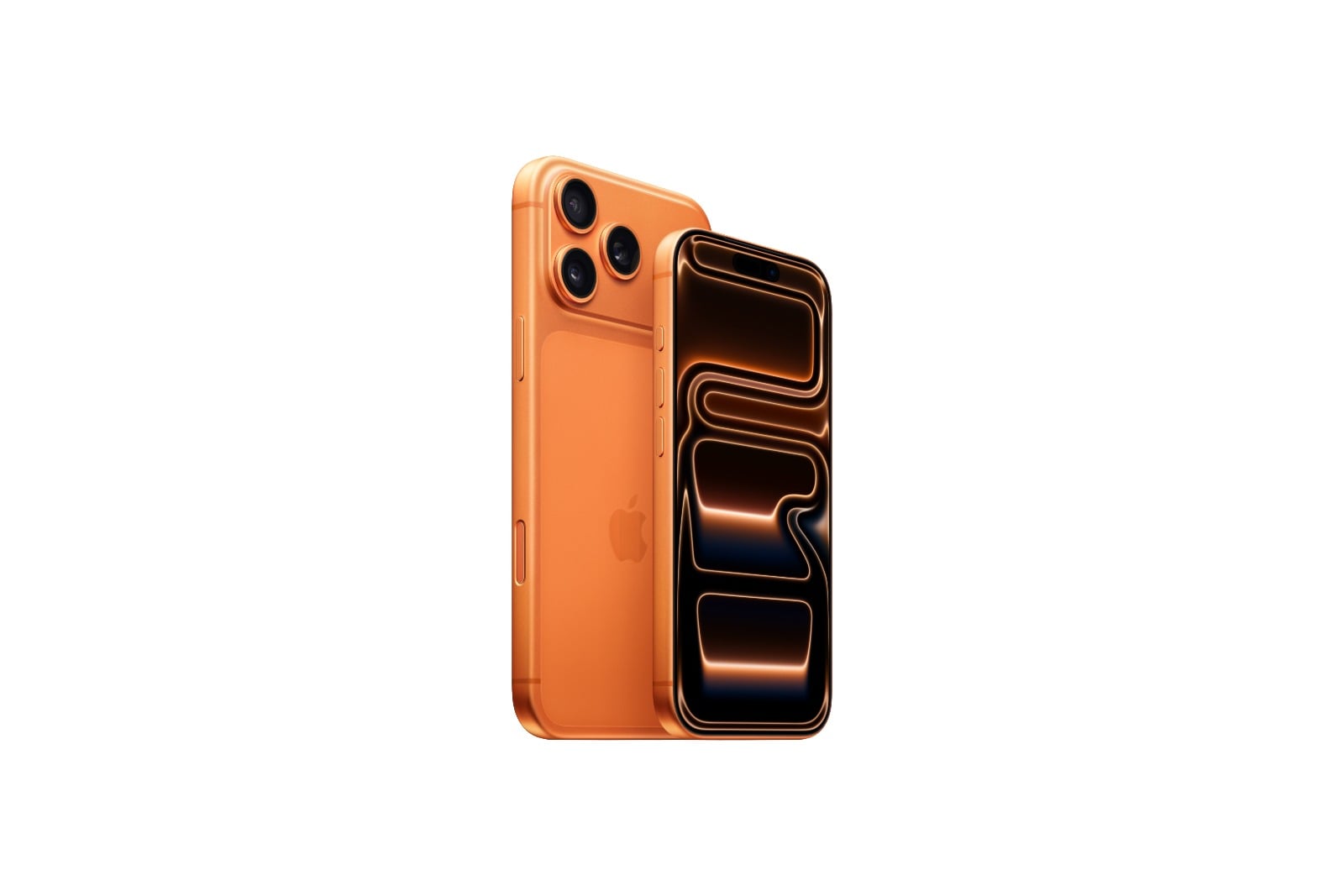
iOS 27 contains a system that reduces an iPhone to a handful of apps if payments are missed. Since its discovery, suspicions have been that it was built for the new leasing program. Apple now explicitly denies this – while simultaneously leaving open who the mechanism is intended for.
The timing practically demanded it: Just days before Apple's upgrade launched in the US on July 28, the technical building blocks for remotely locking financed devices appeared in the iOS 27 beta. Apple has now clarified to The Verge that missed lease payments do not trigger this so-called Restricted Mode. The company failed to explain what the system was designed for instead. What remains is a fully implemented infrastructure waiting for a use case that no one has yet identified.
What Apple has explained about device locking
The statement is brief and refers exclusively to Apple's own leasing offer: Those who fall behind on payments for Apple Upgrade should not expect their leased iPhone to be reduced to emergency operation. This dismisses the most obvious interpretation of the discovery.
The second half of the question remains unanswered. Apple has neither explained which partner is supposed to use the mechanism, nor in which markets it could be implemented. A denial about its own program is not an answer about third-party financing models – and the system's architecture is precisely designed for such models: Apple doesn't decide on the block, but rather the app of an authorized financing provider.
The lease agreement addresses payment defaults in a different way
The fact that Apple Upgrade doesn't have a technical lock makes sense when you look at the contract terms. If a payment is missed, it rolls over to the following month without a late fee. Only after three consecutive missed payments does the lease agreement end, and the entire remaining balance becomes due – less the device's value if the product is returned. If collection still fails, Klarna's debt collection agency takes over.
This is a classic debt collection method, similar to that used in car leasing. Blocking the device wouldn't change anything: the contract has already ended, and the debt remains regardless of whether apps can still be opened. Klarna also offers a one-month deferral and early contract termination with an installment plan. In this scenario, Restricted Mode would be a useless tool.
The code is still in the fourth beta
The system hasn't disappeared, however. The components first appeared in the initial beta and describe a locking mechanism for funded iPhones, which remained unchanged until the fourth beta. On devices with developer mode enabled, there's now even a dedicated testing section for it in the settings.
At the heart of the system is a service called App Managed Features, which allows an authorized provider app to register a device, check the contract status, and activate restrictions. When these restrictions are triggered, the system blocks most apps from launching via the ManagedSettings framework. Only a fixed set of system applications, the financing provider's app, programs approved by the provider, and apps authorized to send critical alerts remain available.
This is complemented by a second layer designed to prevent circumvention. It's based on the framework behind the "Find My" function, which allows lost Apple devices to be located and locked, but only uses the locking component: The financing partner does not gain access to the location. Instead, a separate locking mechanism is used, which also intercepts a reset device upon activation.
India as a possible deployment location for the barrier
It's obvious that this feature could be used by mobile network operators, retailers, or financial service providers outside of Apple's own program – especially in markets where remotely disabling financed phones is already common practice. India provides the most concrete example. Lenders there worked with smartphone manufacturers to remotely disable devices when payments were missed. At the end of 2024, the Reserve Bank of India prohibited non-banks from doing this after concerns arose about passing on payment defaults to device manufacturers.
In May of this year, the same agency proposed a limited re-approval. Under this proposal, lenders would be allowed to disable certain functions of a financed phone once a loan is at least 90 days overdue – provided the borrower has agreed to this measure in the contract and has been informed in advance. Incoming calls, emergency calls, internet access, and government alerts would have to remain available. This scope aligns remarkably closely with what is included in iOS 27.
Why the block remains an issue in this country even without an Apple upgrade
Apple Upgrade is a US-only program. Participation is limited to adults who reside in the US and possess a valid US social security or tax identification number; even US territories are excluded. The program does not exist in Germany, Austria, or Switzerland, and Apple has not announced a timeline for its expansion.
The code, however, knows no borders. It's part of iOS 27 and will therefore arrive on your iPhone this fall, regardless of whether a financing partner is ever authorized to use it. Nothing will be activated without a contract and an authorized provider app – but the prerequisites for this will then be universally available. Whether Apple will release the feature for individual markets or leave it silently in the system will likely only become clear once the first partner launches it. (Image: Apple)
- Ted Lasso Season 4: World Premiere in Los Angeles
- Apple stock: Goldman Sachs raises price target to $370
- Apple is worth five trillion dollars for the first time
- Apple Upgrade launches: Leasing instead of buying – initially only in the USA
- Ternus commits to Apple TV's course
- Severance: Filming for season 3 has begun
- iOS 26.6 closes 78 security vulnerabilities on iPhone and iPad
- Amazon plans 5,105 satellites for iPhone features
- iOS 26.6 is here: These are the new features the update brings
- Silo Season 4 starts in summer 2027