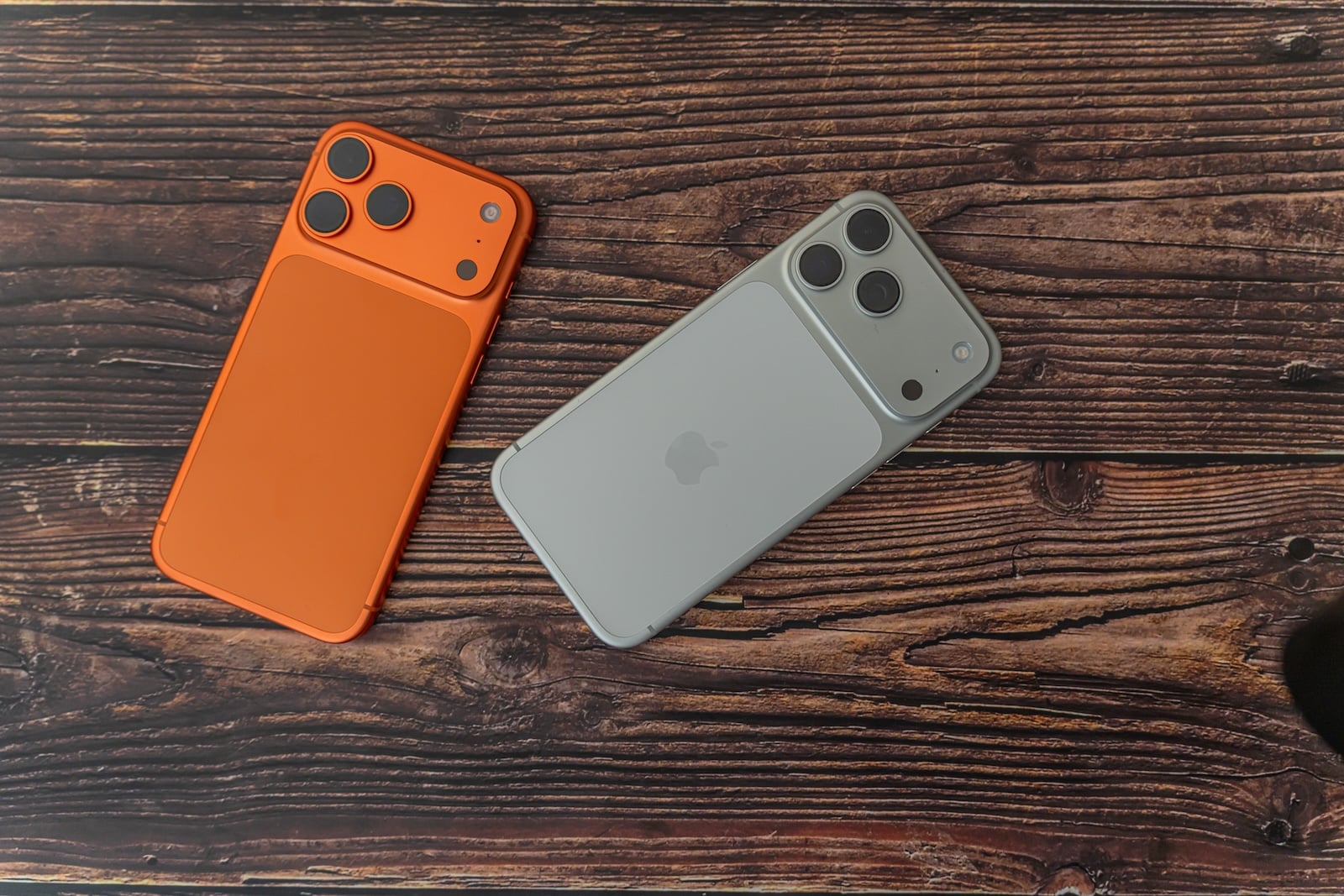
Apple is continuously working to improve the camera quality of its iPhones. For the iPhone 18 Pro, this involves not only the hardware but, above all, the software. In this context, it was revealed that Apple considered acquiring the app developer Lux Optics. However, the talks fell through. Shortly thereafter, a legal dispute arose between the company's co-founders, drawing further attention to the case.
The importance of camera software has increased significantly in recent years. Apps like Halide demonstrate how much image quality can be improved through intelligent processing. Apple recognized this potential and therefore considered integrating external expertise into its own product development. The planned acquisition of Lux Optics was part of this strategy. However, internal conflicts within the company led to a different outcome than originally anticipated.
Talks about a takeover
In the summer of 2025, Apple held talks with Lux Optics, the developer behind the camera apps Halide, Kino, and Spectre. The goal was to acquire the company and integrate its technology into its own camera app.
During these discussions, it became clear that Apple was particularly interested in Lux's intellectual property. This was considered a key component in the company's valuation. The background to this was the strategic decision to prioritize the camera app as one of its most important development areas.
According to internal assessments, the iPhone 18 Pro should be able to compete with professional cameras in certain functions. This would have required significantly improved software.
Despite this situation, no agreement was reached. Lux apparently decided to wait for a better offer in the future. The talks ended without a deal being finalized.
Poaching of a co-founder
Approximately two months after the end of negotiations, Apple began to actively recruit staff from Lux. The focus was on Sebastiaan de With, co-founder and designer of the company.
In December, de With was dismissed by Ben Sandofsky, CEO and co-founder of Lux. Financial misconduct was cited as the reason.
Shortly thereafter, in January, de With announced that he had joined Apple's design team. This move came immediately after his dismissal and exacerbated tensions between those involved.
Lawsuit for financial misconduct and data breach
Following these developments, Sandofsky filed a lawsuit in the California Superior Court in Santa Cruz. The allegations against de With include several points.
Firstly, he is accused of using more than $150,000 of company funds for personal expenses since 2022. Secondly, he is alleged to have passed on confidential information and source code from Lux to Apple.
These allegations concern both financial integrity and the handling of intellectual property. Both are crucial aspects for a company based on software development.
It is important to note that Apple itself is not listed as a defendant in the proceedings. The company is not accused of any wrongdoing.
Defense and counterarguments
De With's legal representatives reject the allegations and call the lawsuit unfounded. In particular, they deny that de With used, transferred, or disclosed Lux's intellectual property in connection with his work at Apple.
Furthermore, they suggest another possible reason for the lawsuit. According to them, de With had previously expressed concerns about financial irregularities at Lux and requested access to financial documents and payment receipts.
The defense argues that the lawsuit could be interpreted as retaliation in this context. The aim may have been to avoid a more thorough investigation of these allegations.
Apple's camera ambitions overshadowed by the legal dispute
The case involving Apple, Lux Optics, and the Halide app demonstrates how complex the connections between technology, personnel decisions, and corporate structures can be. A planned acquisition with a clear strategic goal evolved into a conflict with legal consequences.
For Apple, the further development of camera technology remains a key focus, especially with regard to the iPhone 18 Pro. At the same time, this case highlights how sensitive issues such as intellectual property, internal controls, and trust are within technology companies.
The outcome of the legal dispute remains uncertain. However, it is clear that the events could have far-reaching consequences for both the individuals and companies involved. (Image: Shutterstock / Primestock Photography)
- Elon Musk: Jurors see fraud in Twitter deal
- WhatsApp is planning automatic translation for iPhone
- Apple's Siri: New features could launch soon
- Old Blackberry deals are catching up with Apple in court
- OpenAI develops desktop super app for macOS
- Apple achieves record launch with affordable MacBook Neo
- Apple earned $900 million from AI Apps in 2025
- Apple grows strongly in 2026 despite a weak China market
- Google is working on a Gemini app for macOS users
- Apple Health is getting smarter with AI through Perplexity Health
- Apple extends its 50th anniversary celebration to more countries
- Apple vs. Masimo: Decision on the Watch function
- Apple warns of attacks: iOS update now required
- AppleCare One: Hints of an imminent launch in Europe
- Apple in the crosshairs: Brazil investigates NFC restrictions
- Apple TV expands cast of The Morning Show
- iPhone remains central: Tim Cook sees a great future
- macOS 26.4: These are the most important new features
- tvOS 26.4: Genius Browse delivers better recommendations
- Apple in AI lawsuit: Dispute over data and copyright
- iPhone security vulnerability: Why iOS 26.3 is so important
- iOS 26.4: Family Sharing becomes more flexible with payments
- iOS 26.4 Update: Release Candidate now available