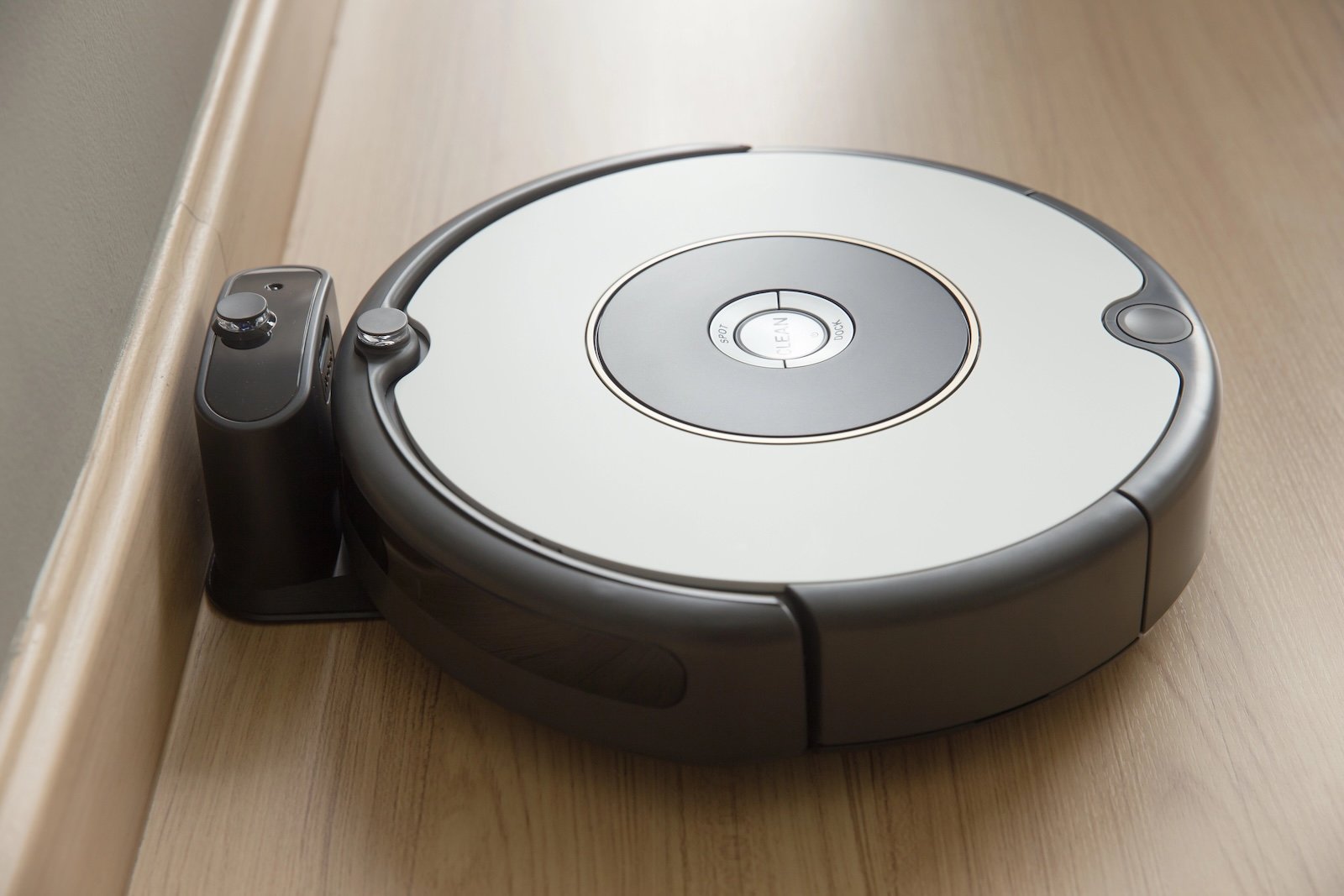
iRobot is the name that, for many people, is inextricably linked to the term robotic vacuum cleaner. With its Roomba series, the company created an entirely new product category over two decades ago. Now, news is causing uncertainty: iRobot has filed for bankruptcy. Especially with regard to smart home products, this immediately raises questions about continued use, app functionality, and product support.
Bankruptcies of technology companies in recent years have demonstrated how dependent smart devices are on functioning servers and ongoing software maintenance. When a provider disappears from the market, products often lose key functions or, in the worst case, become unusable. However, the situation in iRobot's case appears more nuanced. Despite the insolvency, there are indications that Roomba owners should not expect any immediate disruptions.
iRobot files for Chapter 11 bankruptcy protection
iRobot has officially filed for Chapter 11 bankruptcy protection in the United States. The company and several subsidiaries have initiated a voluntary, pre-agreed bankruptcy proceeding with the appropriate court in the County of Delaware. According to current information, iRobot expects this process to be completed by February 2026.
The insolvency comes roughly 23 years after the market launch of the first Roomba vacuum cleaner in 2002. iRobot is considered a pioneer and the inventor of the robotic vacuum cleaner. For many years, the company was the market leader. In recent years, however, iRobot came under increasing pressure. Competition in the field of household robotics has grown significantly, with new providers entering the market offering lower prices and comparable technology.
Failed Amazon takeover exacerbates the situation
One possible way out of the financial difficulties was supposed to be Amazon's acquisition of iRobot. However, these plans were abandoned due to antitrust concerns. Regulators concluded that Amazon already possessed sufficient market power and that acquiring iRobot could significantly disadvantage competing companies.
After Amazon's withdrawal, iRobot was left without a strategic buyer, which further worsened its financial situation and ultimately led to bankruptcy.
Why bankruptcies are often problematic for smart home customers
When a smart home company files for bankruptcy or ceases operations, this often has a direct impact on existing products. Many devices rely on cloud services. Without servers, app connectivity, or software updates, they lose important functions or become simple, disconnected devices.
A recent example of this is Neato. After the company closed, its robotic vacuum cleaners quickly became so-called "dumb" products. App control, mapping functions, and smart automations were no longer usable. Such cases have permanently damaged the trust many users have in connected household appliances.
Why the situation is different at iRobot
Unlike many other bankruptcies, iRobot does not plan to cease operations. Instead, the company is to be transferred to its main manufacturer, Shenzhen PICEA Robotics. iRobot will continue its normal operations during the ongoing Chapter 11 proceedings.
According to the company, no disruptions to app functionality, customer programs, global partnerships, supply chains, or ongoing product support are expected. Existing Roomba vacuum cleaners will retain their full functionality and continue to be supported.
Following court approval of the transaction, iRobot expects to be better positioned under PICEA Robotics' ownership to implement its long-term innovation strategy. This includes the development and release of new products. Subject to judicial approval, everything will initially continue as before for customers.
Impact on investors and employees
While customers should not expect any immediate restrictions, the situation is different for other stakeholders. Investors will not receive any payouts as things stand. The impact of the insolvency proceedings on iRobot's employees is not yet known.
iRobot remains operational despite insolvency
The insolvency of iRobot is a significant event for the robotic vacuum cleaner market. Despite the financial difficulties, there is currently no reason for Roomba owners to panic. iRobot plans to continue operations during the Chapter 11 proceedings, maintain its app services, and ensure product support. Should the acquisition by Shenzhen PICEA Robotics proceed as planned, iRobot could continue to play an active role in the smart home market. (Image: coffeekai / DepositPhotos.com)
- Apple & Google should only allow nude photos with age verification
- Apple TV reveals five major premieres for early 2026
- Apple and OpenAI: What's really behind Elon Musk's lawsuit
- iPhone Fold as the new standard for foldable smartphones
- iOS 26.2 fixes over 20 security vulnerabilities in the system
- Apple in the crosshairs: Swiss researchers examine NFC access in the iPhone
- iOS 26.4, iOS 27 & iOS 28: Internal code reveals new features
- iOS 26.2 is here: A quick overview of all the important new features
- Apple wins lawsuit over commissions for external payment links
- Apple rolls out new firmware for AirPods Pro 3 and AirPods Pro 2
- OpenAI releases GPT-5.2 for ChatGPT: new top model
- Internal Apple code reveals upgrades for HomePod mini & AirTag
- Apple Code reveals progress on Siri and a possible HomePad
- Apple and other companies: US calls for stricter AI controls
- Pressure on Google: EU takes its cue from Apple's App Store
- Leak: Apple is preparing iPads with faster hardware for 2026
- Apple leak reveals Studio Display 2 with major upgrades