The global tablet market experienced one of its steepest declines in two years during the second quarter. Apple lost less than the rest of the industry and remains far ahead – but the summer quarter, which usually thrives on back-to-school demand, was a bust this year.
At the end of July, Apple reported its best June quarter in company history with $109.4 billion in revenue – and only one product line saw a decline. iPad sales fell to $6.19 billion, a drop of 5.9 percent. An analysis by market research firm Omdia for the second calendar quarter now reveals how this figure compares to the rest of the industry: the entire tablet market suffered a greater loss than Apple.
Key Facts at a Glance
- Worldwide, 35.5 million tablets were shipped in the second quarter, 9.9 percent fewer than in the same period last year.
- Apple shipped 13.5 million iPads, a decrease of 7.5 percent, and thus holds 37.8 percent of the market.
- Samsung follows with 16.3 percent, Lenovo with 11.1 percent – Lenovo is the only supplier in the top five with growth.
- For the first time in years, the usual increase at the start of the school year failed to materialize.
- Omdia expects manufacturers to invest their scarce components in flagship and premium devices rather than tablets in the future.
The market is shrinking faster than Apple
Of the 35.5 million devices shipped, roughly a third are Apple products. Apple's lead over Samsung is more than double, and it has even increased compared to the previous year because Apple's decline was less pronounced than the market average.
| Manufacturer | Q2 share | Deliveries | Change from the previous year |
|---|---|---|---|
| Apple | 37,8 % | 13.5 million. | -7.5 % |
| Samsung | 16,3 % | 5.8 million. | declining |
| Lenovo | 11,1 % | not specified | +27,1 % |
| Xiaomi | 8,0 % | not specified | declining |
| Huawei | 7,7 % | not specified | declining |
| Other providers | 19,1 % | not specified | -23.5 % |
| Total market | 100 % | 35.5 million. | -9.9 % |
The smaller vendors outside the top five were hit hardest: their combined volume plummeted by 23.5 percent. Lenovo, on the other hand, grew by 27.1 percent, making it the only major manufacturer to experience growth.
Sales are falling more slowly than the number of units sold
The two figures measure different things – Omdia counts shipments to retailers, while Apple records realized revenue. Nevertheless, the difference is revealing: Unit sales fell by 7.5 percent, while revenue only declined by 5.9 percent.
This suggests that the sales mix has shifted upwards. Those who bought an iPad last quarter, on average, opted for a more expensive model than in the previous year. This interpretation aligns with Omdia's observation that manufacturers' portfolios are shifting overall towards more expensive devices – a pattern also evident in the premium smartphone segment.
Apple itself points out that more than half of iPad buyers in the June quarter purchased an iPad for the first time. Furthermore, the same period last year was unusually strong, which makes the comparison even more difficult.
A summer quarter without a school start effect
More remarkable than the decline itself is its timing. The second quarter is usually stronger than the first because demand picks up around the start of the school year. According to Omdia's count, this pattern has been broken for the first time in years.
According to Research Manager Himani Mukka, the reason is not a lack of interest. Tablets are an integral part of many households, and in numerous applications, detachable keyboard tablets are increasingly replacing traditional PCs. Education and mobile professional use remain key areas of demand. The problem lies on the supply side: the shortage of components is now reaching categories that are not a priority.
German prices only rose after the cut-off date
For the German-speaking market, the timing is crucial. Apple raised the prices for Macs, iPads, and Vision Pro on June 25th – two days before the end of the quarter. This could have had virtually no impact on the figures discussed here.
| Model | Previous price | Price since June 25th |
|---|---|---|
| iPad (A16) | 379 € | 499 € |
| iPad Air 11″ (M4) | 649 € | 799 € |
| iPad Pro 11″ (M5) | 1.099 € | 1.299 € |
The price increase is particularly noticeable for the base model: around 32 percent more for precisely the device most commonly found in schools and among first-time users. Anyone currently considering a purchase can find a detailed comparison of the models in our iPad buying guide.
The price increase will only become apparent in the figures for the current quarter. We expect it to noticeably dampen demand in German-speaking countries. Anyone who has to pay €120 more for a basic iPad than in the spring will postpone their purchase – or opt for last year's model from a specialist retailer, where the old prices are still sometimes in place.
Why the iPad takes a back seat in the home
Mukka's outlook is the real news of the report: given the ongoing component shortage, manufacturers are not expected to prioritize the tablet category widely, but rather concentrate their limited resources on flagship and premium models.
For Apple, this isn't a prediction about the competition, but rather a description of its own situation. The company has explicitly announced supply shortages for iPhones, Macs, and iPads for the current quarter and expects to pay even higher prices for memory in the September quarter. If the same memory chips can be used in an iPhone or an iPad, it's foreseeable which device will be preferred. The memory crisis is now dividing the market not only between manufacturers, but also within individual product lines.
In practical terms, this means that if you have a specific iPad model in mind, you should buy it as soon as it's available, rather than waiting for a price correction. None of the available figures indicate that such a correction is imminent.
Two new iPads are set to buck the trend this fall
Apple's response to a shrinking segment consists of two products, both of which have not yet been announced. The iPad mini 8 with an OLED display is expected to be released in October, and Apple's CFO hinted at a delay for the entry-level model back in the spring. The current status of the next generation of the base iPad can be found in the overview of the 12th generation iPad.
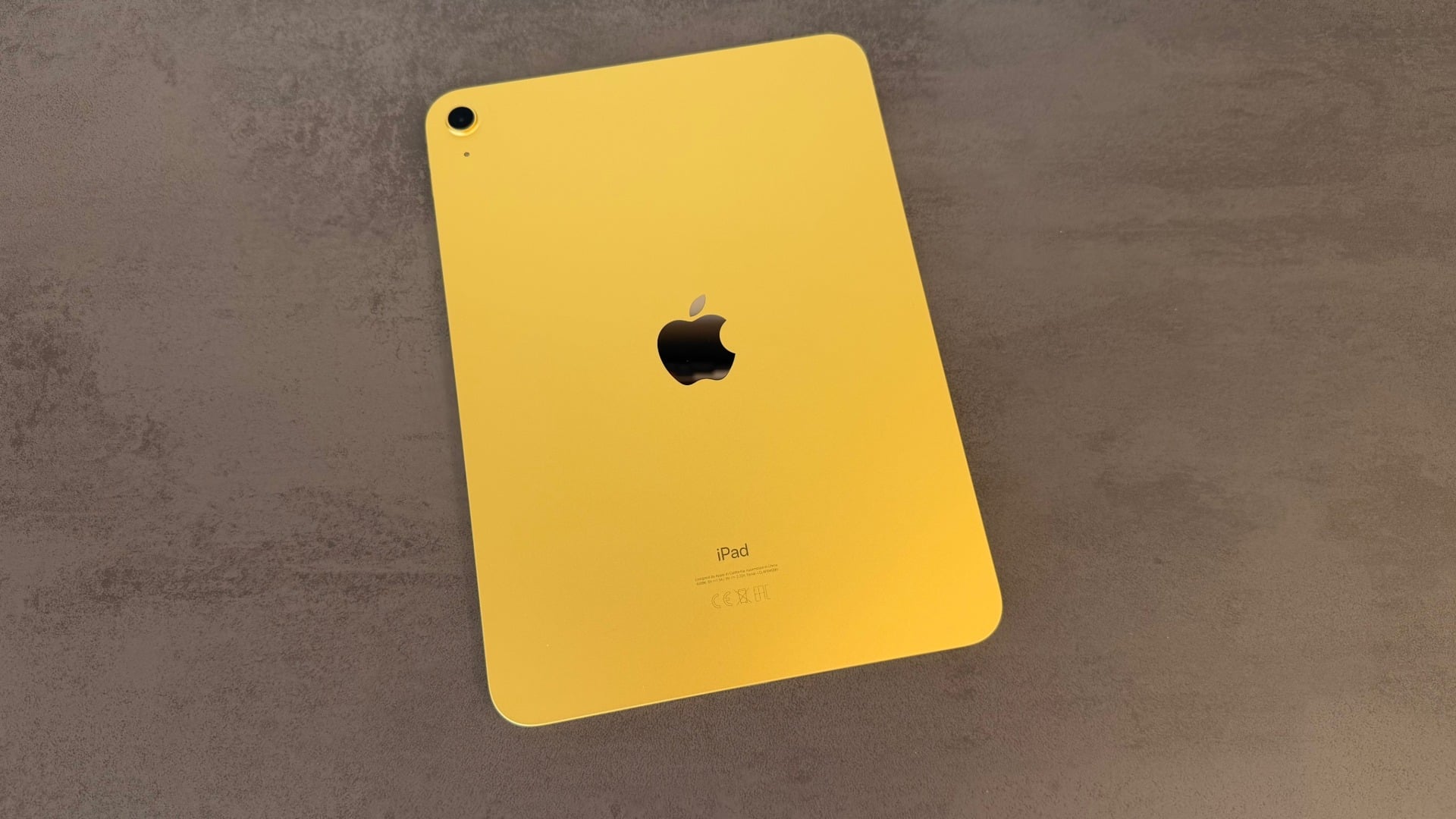
Both devices are entering a market where production volumes are falling and prices are rising. Whether they buck this trend depends less on their features than on how many units Apple can actually produce given the current availability of components. (Image: Apfelpatient)
- Apple holds 65 percent of the premium smartphone market
- Apple vs. Prosser: No contact for a month
- macOS Tahoe 26.6.1 closes a gap in screen sharing