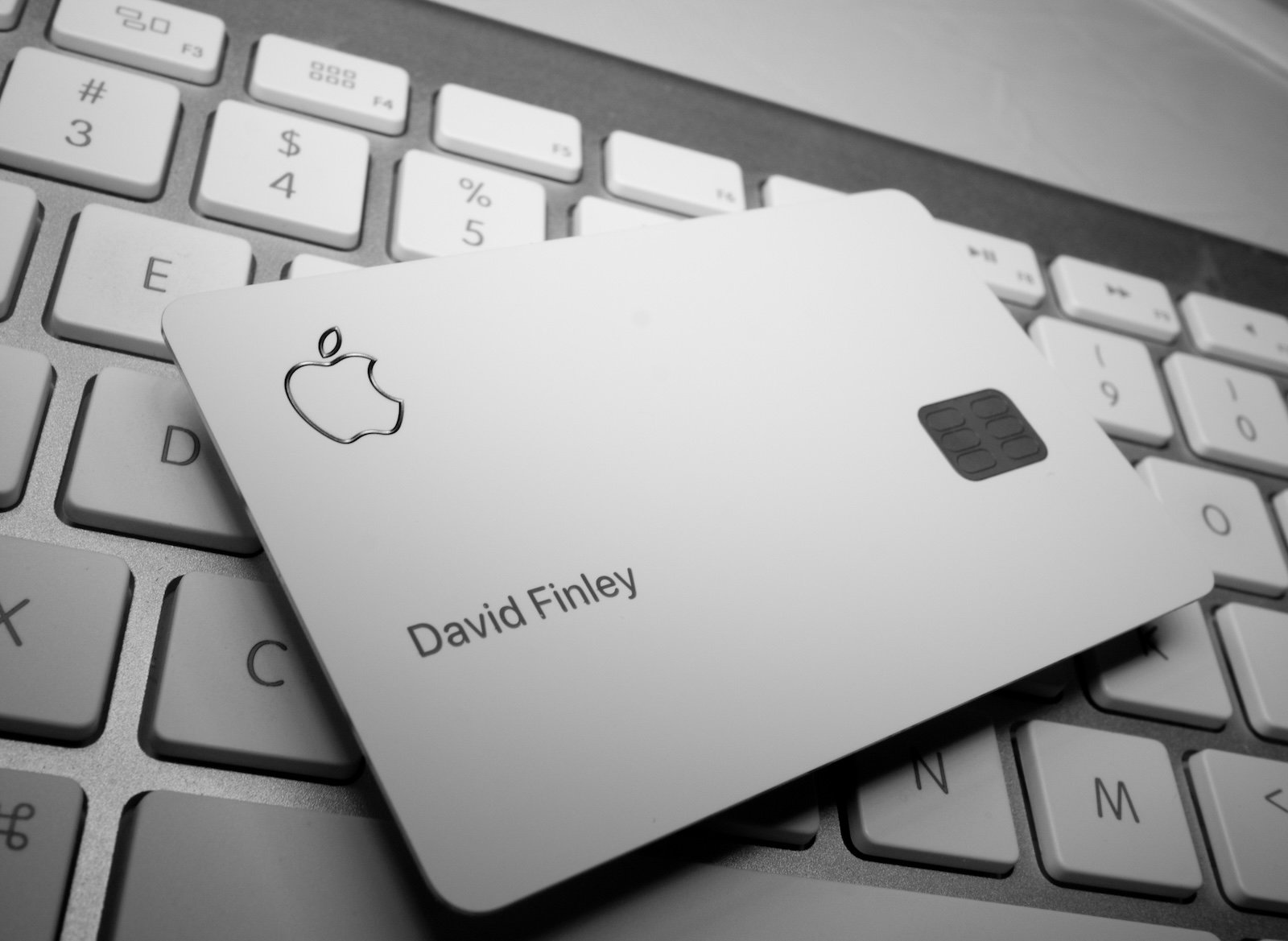
The Apple Card is facing a significant change. At the beginning of the year, Apple officially confirmed that JP Morgan Chase will acquire the Apple Card from Goldman Sachs. The transition is planned for January 2028. Following Goldman's billions in losses, a key question arises: Why is Chase so confident that this scenario will not be repeated?
The Apple Card was positioned as a modern, consumer-friendly credit card. It has no fees and relies heavily on a transparent, intuitive software interface. These very features made it attractive – and at the same time financially demanding.
Goldman Sachs had high expectations for its entry into the consumer banking market. However, the Apple Card portfolio proved financially problematic. Significant losses, above-average default rates, and a large proportion of high-risk borrowers severely impacted the business.
With Chase taking over, a bank is now taking over that makes it clear that it assesses the risks differently and wants to manage them better.
Goldman Sachs and the billions in losses
That Goldman Sachs lost billions with the Apple Card is now well documented. The reasons are manifold.
One factor is the card's business model itself. The Apple Card is free of charge and strongly focused on user-friendliness. This means fewer traditional revenue streams such as annual fees or additional charges. However, the decisive factor lies in the borrower profile.
High proportion of subprime borrowers
According to figures, Apple Card has a subprime borrower rate of 34 percent. That's significantly higher than many competitors. For comparison:
- Chase: 15 percent
- Capital One: 31 percent
A subprime exposure of 34 percent signifies an increased risk of payment defaults. This risk has become apparent in the portfolio.
Above-average failure rates
The Apple Card's default rate is 4 percent. The industry average is 3.05 percent.
Additionally, Goldman Sachs has a net default rate of 2.93 percent. This rate is roughly twice as high as that of Chase and Bank of America.
Another factor concerns receivables management. Reports indicate that Goldman Sachs was less aggressive and less successful than other banks in collecting outstanding debts. This further exacerbated the losses.
Chase takes over: The bank's argument
During the "2026 Company Update" presentation, Chase spoke at length about the acquisition of Apple Card. CFO Jeremy Barnum specifically addressed concerns surrounding the subprime portfolio.
Barnum confirmed the "relatively higher subprime share" in the Apple Card portfolio. At the same time, he clarified that this segment is not new territory for Chase. His key points:
- Subprime loans already make up around 15 percent of Chase's existing portfolio.
- Due to the relative size of the Apple Card, Chase does not expect any significant increase in this share.
- The bank has the data, experience, and operational capabilities to successfully integrate such a portfolio.
Barnum emphasized that Chase is familiar with subprime loans and has the necessary infrastructure. The company believes it is well-positioned to integrate the Apple Card portfolio in a controlled manner.
This statement is clearly aimed at investors. The message is: Apple Card should not result in billions in losses like Goldman Sachs.
Open questions about the future of the Apple Card
Despite the clear positioning, uncertainties remain. The transition to Chase is not planned until January 2028. Until then, many details are still open.
It remains unclear whether Chase will make any structural changes to the Apple Card. Possible adjustments include:
- Loan criteria
- Risk assessment in the subprime segment
- Debt collection strategies
- Conditions or benefits of the card
The Apple Card relies heavily on its fee-free structure and user-friendly software interface. Should Chase place a greater emphasis on profitability, these very features could come under pressure.
There have been no concrete announcements yet. It remains to be seen whether the Apple Card's core selling points will be retained in their entirety or modified.
Apple Card: Strategic relaunch under Chase
JP Morgan Chase's acquisition of Apple Card marks a strategically important step. Goldman Sachs lost billions on the portfolio, primarily due to the high proportion of subprime mortgages, above-average default rates, and less rigorous debt collection.
Chase, on the other hand, considers itself well prepared. The bank points to its experience in the subprime segment, existing infrastructure, and established risk models. It believes that integrating the Apple Card will not significantly destabilize its portfolio.
Whether this assessment is accurate will become clear after the planned transition in January 2028. Until then, the Apple Card remains a credit card project attracting considerable attention – both from the perspective of the banking industry and investors. (Image: Shutterstock / David Finley)
- Reddit & Discord: Controversy surrounding age verification
- Apple TV unveils trailer for season 5 of For All Mankind
- Apple shareholders clearly follow management
- Apple: Why iOS leaks are so rare
- iPhone to break sales record in Europe in 2025
- Apple was warned by the CIA about the risk in Taiwan
- Apple offers a glimpse into its Mac mini factory in Texas
- Apple will now manufacture the Mac mini directly in the USA
- Apple introduces Sales Coach app for iPhone & iPad
- iOS 26.4 Beta 2: All features and adjustments
- WhatsApp is working on scheduled messages
- David Pogue offers insights into "Apple: The First 50 Years"
- Anthropic raises serious allegations against China
- iOS 26.4: Two apps get the old search layout
- iOS 26.4 Beta 2 tests secure RCS chats with Android
- iOS 26.4 Beta 2 launches: Apple continues testing phase
- Apple TV is betting on Wonder Pets Season 2
- Apple Sports expands soccer and tournament schedules
- Apple TV shows new thriller "Unconditional"
- iOS 26.3.1: Apple tests new iPhone update