Apple appears to be on the verge of its next major development in the wearables sector. While we still await a comprehensively redesigned Siri with true AI integration, evidence is mounting that several AI wearables are in development. New AirPods, which could be released later this year, are of particular interest. Rumors are circulating about an AirPods Pro 3 model with integrated IR cameras. This innovation may seem insignificant at first glance. However, upon closer examination, it makes perfect strategic sense that the AirPods could become Apple's first AI wearable.
According to reports from Mark Gurman at Bloomberg and analyst Ming-Chi Kuo, Apple is currently working on three AI products. These include AirPods with cameras, Apple Glasses, and a pendant with an integrated camera. The expected timeline is clearly staggered: The new AirPods are expected to launch this year, the Apple Glasses next year, while the camera pendant has not yet been specifically targeted.
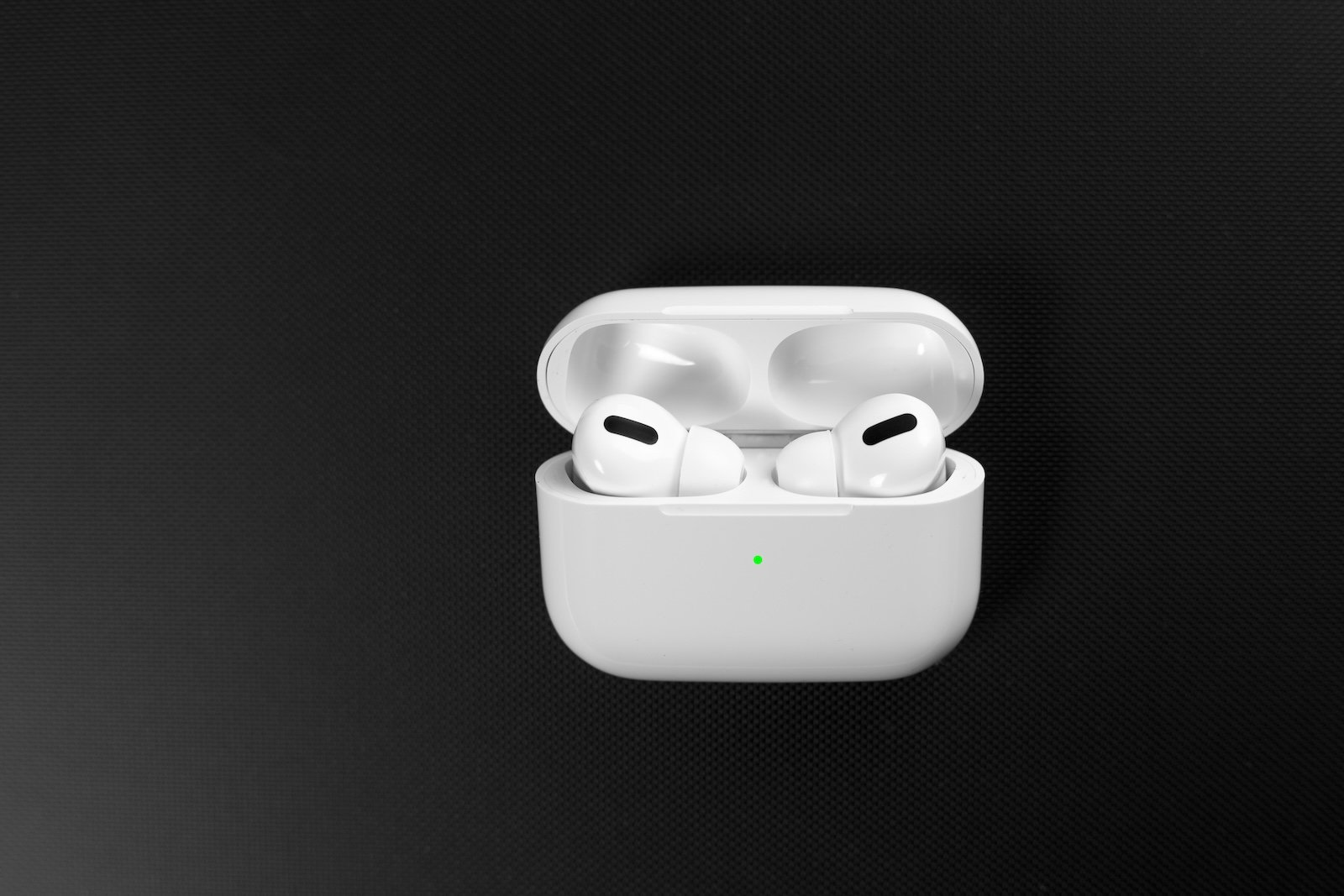
The focus is on a new AirPods Pro 3 model, which is rumored to feature only one major technical innovation: built-in IR cameras. These cameras are intended to enable visual intelligence, thus providing functions that go beyond traditional audio features. This could also include initial AI companion functions, which are also expected to be used in Apple Glasses at a later date.
The longer one studies this development, the more logical it seems that Apple is venturing into AI wearables not with glasses, but with the AirPods.
Three AI products with a clear division of roles
The reports paint a relatively clear picture of Apple's strategy. The AirPods with cameras apparently represent the first step. They are expected to be released this year and will serve as a testbed for new AI features. The Apple Glasses are expected to follow next year and are likely to be much more focused on visual interaction. The pendant with an integrated camera remains the least tangible product so far, as concrete details and a timeframe are lacking.
It's striking that Apple isn't launching with a completely new product category. Instead, it's expanding an existing, successful product. That's precisely the crucial difference.
The market for AI wearables is not yet established
AI wearables are still considered a young market segment. Early products have shown how varied the response can be. Meta's AI glasses are often cited as an example of a successful market entry. They have demonstrated that there is fundamental interest in wearable AI technology.
At the same time, the Humane AI Pin demonstrates how difficult this market can be to develop. The product fell far short of expectations and failed to impress, both technically and in everyday use.
Despite some successes, AI glasses are not yet a mainstream product. They are primarily aimed at tech-savvy users and early adopters. Broad societal acceptance is still lacking. This is precisely where the situation with AirPods differs fundamentally.
AirPods have long since become part of everyday life
AirPods have become an integral part of public life. Wireless earbuds are ubiquitous on trains, in cafes, offices, and on the street. Wearing AirPods is rarely questioned and hardly attracts attention. They are socially accepted and technologically established.
This gives Apple a decisive advantage. While AI glasses first have to explain why they are necessary and what added value they offer, this hurdle doesn't exist for AirPods. They are already a proven product with clearly defined benefits: high-quality sound, active noise cancellation, tight integration into the Apple ecosystem, and excellent everyday usability.
A new AirPods Pro 3 model with IR cameras would not challenge this foundation. It would merely expand upon it.
IR cameras as a technological turning point
The anticipated IR cameras are the central element of the new AirPods. Unlike traditional cameras, they are not primarily intended to take photos, but rather to capture visual information that can be processed by AI systems. This would significantly change the functionality of the AirPods.
Visual intelligence could enable better environmental awareness and the provision of context-related information. AI companion functions are also conceivable, providing support in everyday life and delivering situation-dependent information. These functions are also seen as preparation for the future Apple Glass.
Crucially, this technology is integrated into an existing form. It does not create a new class of device, but rather a further development of an established product.
Strategic benefits for Apple Glasses
An often underestimated aspect is the data foundation. When AirPods with integrated IR cameras are released, Apple can analyze how users interact with AI features in everyday life. It will be possible to observe which features are actually used and which are less relevant. Acceptance issues can also be realistically assessed based on this data.
These insights could directly inform the development of Apple Glass. Instead of introducing a completely new product category without solid empirical data, Apple would build on real-world usage data. This reduces risks and increases the likelihood that future AI wearables will be better tailored to user needs.
AirPods as a strategic starting point for Apple's AI offensive
The decision to position AirPods as the first AI wearable seems logical upon closer inspection. According to recent reports, Apple is working on three AI products: AirPods with cameras, Apple Glasses, and a pendant with an integrated camera. The timeline anticipates the new AirPods will be released this year, while the Glasses are expected to follow next year.
The anticipated AirPods Pro 3 model with IR cameras would enable visual intelligence, making the AirPods a true AI companion for the first time. At the same time, the familiar product form would be retained. This could make all the difference.
Instead of launching with a striking new device category, Apple is apparently opting for a gradual expansion of an established product. In a still uncertain market environment for AI wearables, this approach seems understandable and strategically well-thought-out. The best products for you: Our Amazon storefront offers a wide selection of accessories, including those for HomeKit. (Image: Shutterstock / Ivan_Shenets)
- iPhone 18 Pro: New camera with variable aperture
- Apple AI glasses: Speak without anyone hearing you
- Apple Privacy Policy: Why no competitor can keep up
- CarPlay in iOS 26.4: These are the new features
- Apple Music in iOS 26.4: New features in detail
- Apple AirPods 2026 and 2027: Here's what's planned
- iOS 26.4 Beta launches without new Siri features
- Apple continues to pursue a clear course in AI
- Apple Experience on March 4th: Possible Highlights
- OLED iPad mini: Is a major upgrade coming?
- AirPods Pro 3: Second version expected to bring new AI features
- Apple 2026: These Home devices are planned
- Mac Studio 2026: What's in the next update
- iPhone 18 Pro: Why the C2 modem is becoming important
- MacBook Pro 2026: Why waiting is worthwhile
- MacBook Air with M5: All the details about the upcoming update
- New MacBook planned: Affordable entry-level model with A18 Pro
- Apple TV makes Silo bigger: All the info on season 3
- Apple plans to launch two new products for the mass market in 2026
- Apple TV: The February 2026 Highlights at a Glance
- Apple in February 2026: iOS 26.3, Siri and important dates
- iPhone 18 Pro: All the leaks, technology, and reasons to wait
- iPhone: iOS 26.3 reveals Apple's modem strategy