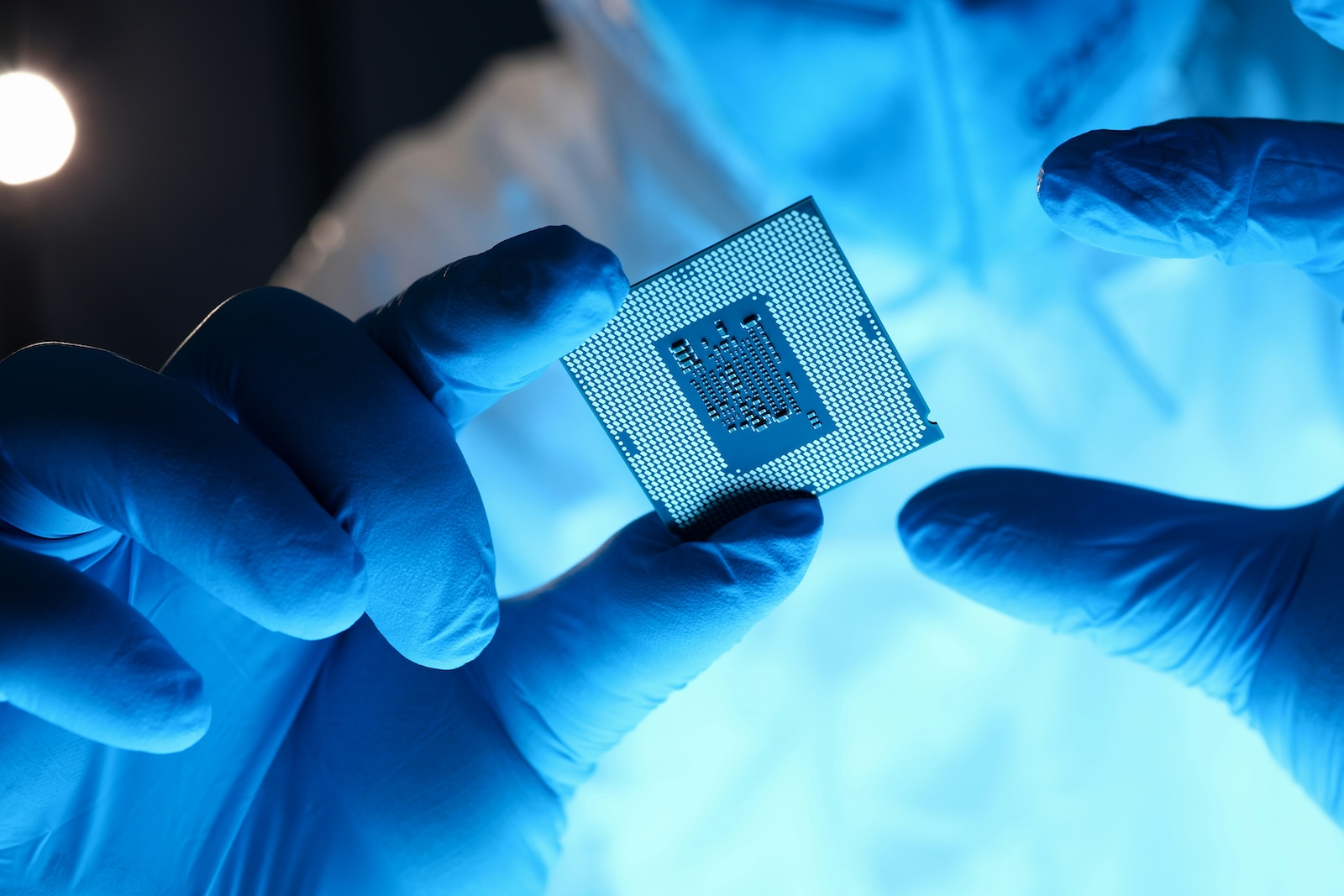
Apple has been working for years to become less dependent on external suppliers. In 2020, the company began switching from Intel processors to Apple Silicon and, within three years, managed to develop more powerful and efficient chips for Macs. Now Apple is tackling the next major area: mobile and networking chips.
With the C1 modem in the iPhone 16e, Apple is beginning to gradually replace Qualcomm as its modem supplier. The long-term goal is to develop all cellular and networking technologies in-house. The next generations, the C2 and C3 modems, are intended to further increase performance and ultimately replace Qualcomm. At the same time, Apple is working on its own Wi-Fi and Bluetooth chips and plans to integrate modems directly into its main processors.
Why Apple relies on in-house developments
Cupertino is pursuing a clear strategy: The more key technologies the company develops in-house, the better it can coordinate hardware and software. This brings several advantages. First, energy efficiency improves because Apple can optimize hardware specifically for its own devices. Second, the company saves costs in the long term because it is no longer dependent on expensive external suppliers. Third, Apple reduces the risk of supply bottlenecks and dependence on partners such as Qualcomm or Broadcom. Developing chips in-house also allows Apple to drive innovations faster. With its own M processors for Macs, the company has already demonstrated that it can develop more powerful and efficient alternatives to existing solutions on the market. Now Apple wants to achieve the same with modems and network chips.
The C1 modem: Apple's first step into the mobile market
The company's first proprietary cellular modem, the C1, was recently introduced with the iPhone 16e. The primary focus is on energy efficiency. According to Cupertino, it is the most power-efficient modem ever installed in an iPhone. However, the C1 modem has some limitations. It neither supports 5G mmWave nor the same frequency bands as current Qualcomm models. Initial tests show that it offers solid performance but cannot compete with the best modems on the market. Therefore, the C1 modem will not be installed in most iPhone 17 models. It will likely only be used in the iPhone 17 Air, where increased energy efficiency is particularly important. Apple sees the C1 modem as the first step in a larger development that will continue with subsequent generations.
The C2 and C3 modem: Qualcomm becomes obsolete
Cupertino is already working on successors to the C1 modem. The goal is to close the gap to Qualcomm modems in the coming years and eventually surpass them. The C2 modem, codenamed Ganymede internally, is scheduled to be introduced with the iPhone 18 series in 2026. It will support 5G mmWave for the first time and enable download speeds of up to 6 gigabits per second. Carrier aggregation will also be significantly improved, ensuring more stable connections. In addition to iPhones, the C2 modem will also be used in iPads from 2027. This will be followed in 2027 by the C3 modem, codenamed Prometheus, which is intended to finally compete with Qualcomm modems and, in some areas, surpass them. Apple plans to use artificial intelligence to optimize cellular connections for the first time here. At the same time, the C3 modem will support a new generation of satellite communications, enabling connections independent of cell towers. With these developments, Apple could equip all iPhones with its own modems from 2027 onwards and push Qualcomm out of the Apple ecosystem.
MacBooks with cellular connectivity – coming in 2026?
In addition to iPhones and iPads, Apple is also considering integrating cellular modems into MacBooks. Currently, MacBook users have relied on external hotspots or Wi-Fi networks. The first models with cellular support could appear as early as 2026. These would, of course, be equipped with Apple's own modems, thus enabling seamless integration into the Apple ecosystem.
Apple develops its own Wi-Fi and Bluetooth chips
Not only Qualcomm, but also Broadcom is on Apple's list of suppliers to be replaced. Apple is already working on its own Wi-Fi and Bluetooth chip, codenamed Proxima. The chip is scheduled to be used in updated versions of the HomePod mini and Apple TV later this year. It supports Wi-Fi 6E and could theoretically also function as a standalone Wi-Fi router. The chip is expected to be integrated into iPhones, iPads, and Macs in 2025 or 2026. Analyst Ming-Chi Kuo even believes that the new network chip is already being used in the entire iPhone 17 series. This could improve connection quality and stability while also saving Apple money.
Integration of the modem into the main processor
Once Apple completes the transition to its own modems, the next major step is integrating the cellular modem directly into the main processor. Currently, Apple's A-chips and modems are separate. In the future, the modem could be integrated directly into the Apple Silicon processor, saving space and power. According to current reports, this could happen as early as 2028. This development would bring a whole host of advantages. Performance could be further optimized, manufacturing costs would decrease, and Apple would have complete control over the network hardware.
Apple says goodbye to third-party network technology providers
Apple is consistently pursuing its strategy of independence. The first step with Apple Silicon demonstrated that the company can develop more powerful chips than external suppliers. Now Apple wants to do the same with modems, Wi-Fi, and Bluetooth chips. The company is working on this plan in several phases. The process begins with the C1 modem, and the C2 and C3 are intended to create Qualcomm alternatives. In parallel, Apple is developing its own network chips and plans to integrate them directly into the main processor in the long term. If Cupertino successfully implements its plans, the company could equip all of its devices with its own network components starting in 2027. This would not only further optimize Apple's technology but also free it from dependence on large suppliers. Top accessories and HomeKit options – all in our Amazon Storefront ! (Photo by Unsplash+ / Getty Images)
- iPhone 17: What's behind the radical design change?
- Apple's iPhone "Fold": This new information changes everything
- Apple Intelligence and Siri: An unfinished promise
- Apple vs. EU: Why iPhone users are now at a disadvantage