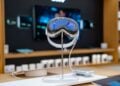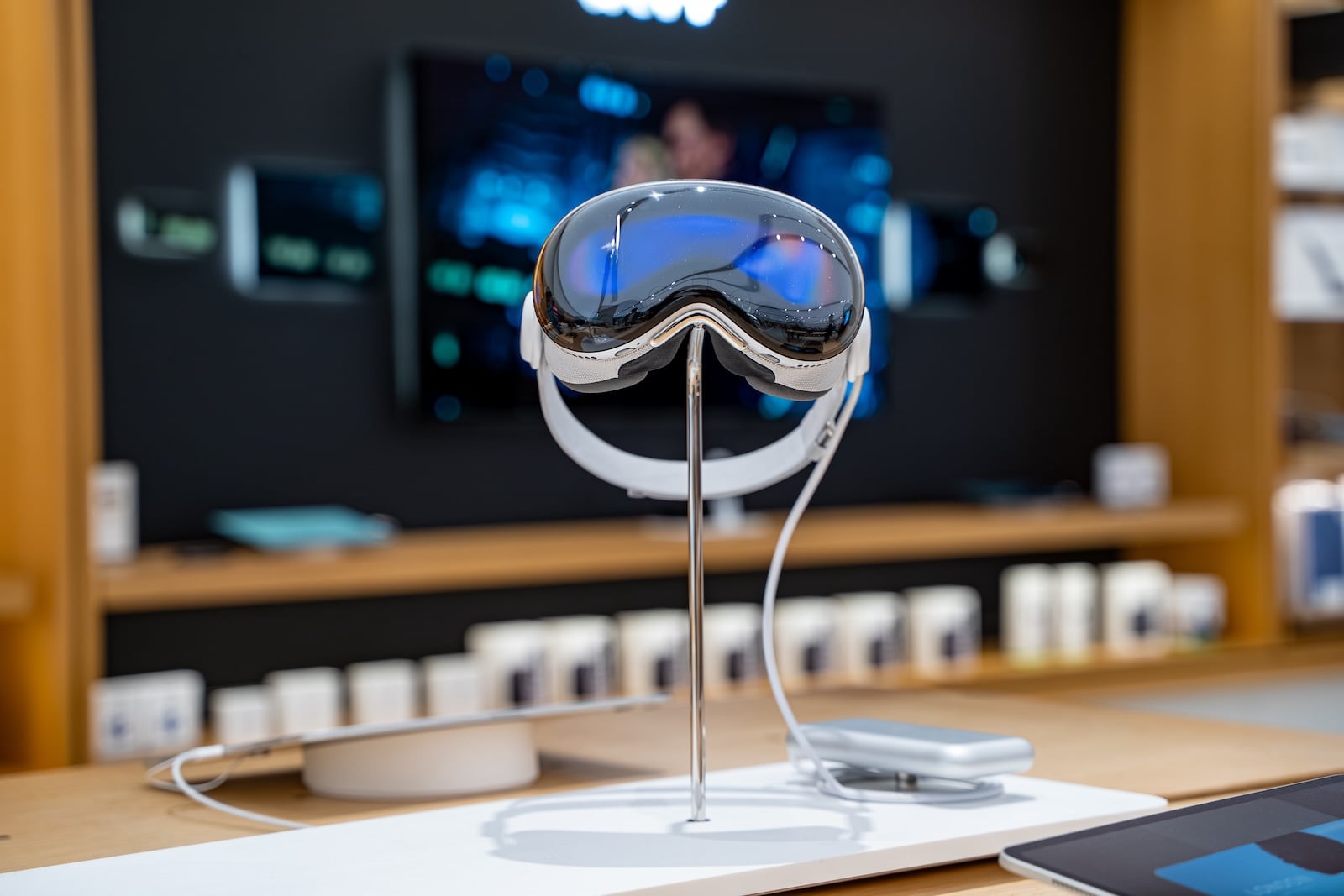
The technology company Apple has settled a legal dispute with a former employee related to the theft of trade secrets concerning the Vision Pro. The case demonstrates Apple's rigorous approach to protecting internal information and the potential consequences of breaches.
In the tech industry, confidential data is a key element of competition. Especially with innovative products like mixed-reality headsets, technical details are strictly protected. Apple has pursued a clear policy for years: anyone who misuses internal information faces legal consequences. The current case fits into this strategy and provides concrete insights into how such violations unfold.
Starting point of the lawsuit
In July 2025, Apple filed a lawsuit against former engineer Di Liu. The accusation: He had stolen a "huge amount" of internal documents before joining Snap Inc.
Liu worked at Apple from September 2017 to November 2024. His focus was on hardware and design engineering, particularly in connection with the Vision Pro. This gave him access to highly sensitive development data.
Deception regarding the job change
At the end of October 2024, Liu resigned from his position, citing a desire to focus more on his health and family. Apple granted him the standard two-week notice period, including continued access to internal systems.
In fact, Liu had already negotiated a new position at that point. He received an offer from Snap on October 18th, but deliberately kept this move a secret. He only informed Apple of his resignation on October 30th – without disclosing that he was joining a direct competitor.
Apple later clarified that he would not have been granted further access to internal data under these circumstances.
Download and transfer of confidential data
An examination of Liu's work laptop revealed the central allegation. In the days leading up to his departure, he used his login credentials to download thousands of documents from Apple's internal systems.
Specifically, he copied more than a dozen folders containing thousands of files from a working directory to his personal iCloud account. The data was stored in folders labeled "Personal" and "Knowledge".
The files were clearly marked as "Apple confidential" and contained, among other things:
- internal product code names
- Technical details for the Vision Pro
- further protected development information
Switch to Snap and short activity
After leaving, Liu joined Snap. There he worked for about seven months, leading the integration of optics, camera and sensor systems.
The timing of his departure is striking: He left Snap in the same month that Apple filed the lawsuit.
Agreement and conclusion of the proceedings
The case was heard in the Santa Clara County Superior Court in California. The proceedings have since been discontinued following a settlement between the two parties.
As part of the agreement, Liu committed to:
- to return all confidential Apple data
- to financially compensate Apple for the damage incurred.
Public apology
Liu also made a public statement on LinkedIn. In his statement, he described his behavior as "stupid" and admitted to downloading confidential information to his iCloud account.
He stated that he was sincerely sorry for the incident and that he took responsibility for his actions. He also emphasized:
- his respect for Apple and former colleagues
- the significance of the trust placed in him
- the personal and professional consequences of his mistake
He spoke of having learned from the situation and wanting to act more responsibly in the future.
Apple's well-known approach to dealing with trade secret breaches
This is not an isolated incident. Apple is known for taking swift legal action when there is suspicion of trade secret misuse.
Similar cases include, among others:
- Legal action against former materials manager Simon Lancaster
- Proceedings against chip engineers in connection with the start-up Rivos
- A case involving a former Apple Car engineer who switched to a Chinese company.
- Another Project Titan engineer was imprisoned for stealing secrets.
These cases show that Apple is systematically taking action against violations.
Apple's clear policy on protecting sensitive data
The case involving Apple and Di Liu illustrates how sensitive the handling of internal data is in the technology industry. Even short periods of access to systems can be enough to compromise large amounts of information.
At the same time, it becomes clear that companies like Apple consistently pursue violations and also initiate legal action retroactively. While the settlement ends the specific case, it underscores the fundamental stance: the protection of trade secrets has the highest priority.
For the industry, this case remains yet another example of how closely innovation, trust, and legal responsibility are intertwined. (Image: Shutterstock / Erman Gunes)
- Apple defies weak smartphone market in China
- Apple TV unveils first Trailer for Star City
- iOS 26.4 Update: Over 35 security vulnerabilities fixed
- Apple Analytics: More insights for App Developers
- AirPods Max 2 available for pre-order: Here's what the new model offers
- Apple under pressure: Poland plans tax on services
- Apple Safari 26.4: 44 features and 191 bugs fixed
- Apple update prevents problems with older Apple Watches
- WhatsApp is testing a new design for voice messages
- OpenAI discontinues Sora: Here's the reason behind the shutdown
- Apple distributes important updates for older systems
- iOS 26.4 is here: An overview of all the new features
- Apple Maps is getting ads: All the info on the launch
- Apple Business: The new all-in-one solution in detail
- Apple TV: For All Mankind ends with season 6
- Apple TV and Siri: EU broadcasters urge DMA rules
- Important iOS Update: DarkSword exploit available online
- Smartphone storage grows in 2026 despite high prices
- Instagram abandons encryption: A risky step
- iPhone Air impresses: More successful than the Plus model